
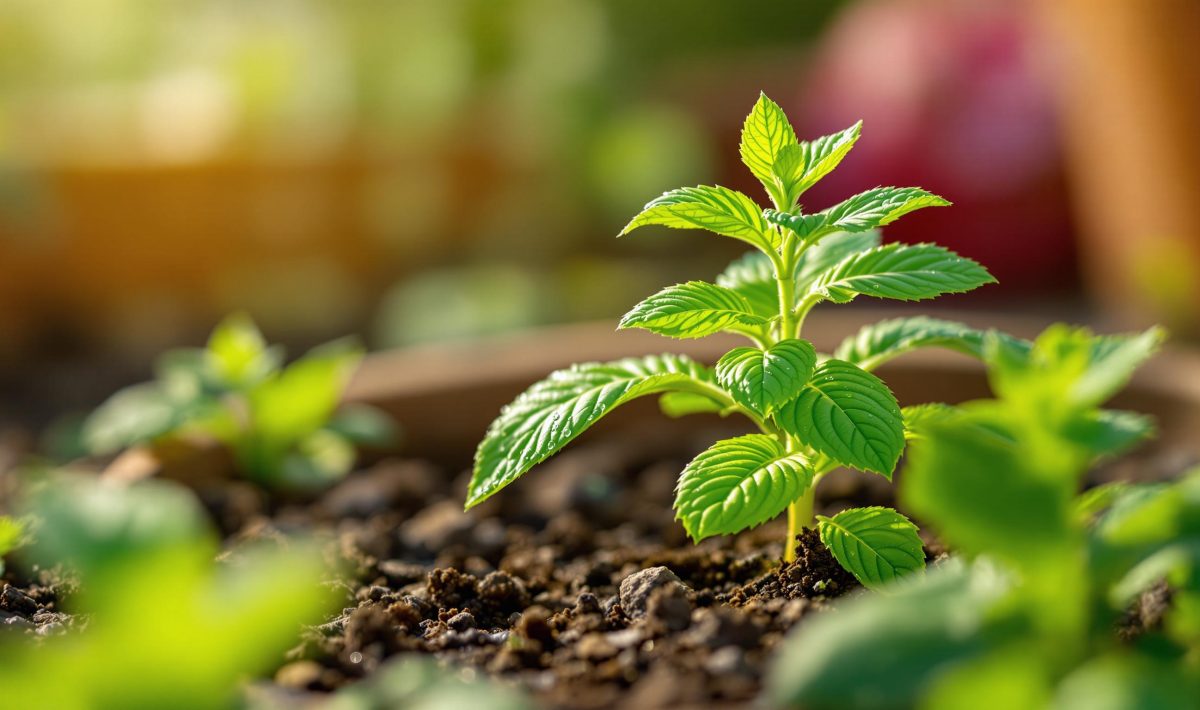
Mint is a popular herb prized for its aromatic leaves and culinary versatility, but its aggressive growth habit makes it a challenging plant to manage. Native to temperate regions, mint spreads rapidly through underground runners and rhizomes, which produce new shoots and roots. This invasive behavior allows it to outcompete other plants for resources like water, sunlight, and nutrients, often overwhelming garden beds and flower borders.
Why mint spreads aggressively
Mint’s ability to spread stems from its horizontal root system, which sends out runners that root at nodes and produce new plants. Even small fragments of rhizomes left in the soil can regenerate into full-grown plants, making eradication difficult. This trait, while beneficial for propagation, poses a significant challenge for gardeners seeking to control its growth.
The risks of uncontrolled growth
When planted directly in garden beds, mint can dominate entire areas, choking out other plants and creating an uneven landscape. Its spread is particularly problematic in raised beds and vegetable gardens, where it disrupts carefully planned layouts. For example, pineapple mint—a variegated variety—is noted for its aggressive spread, making it a poor choice for open gardens.
Effective strategies for containment
To enjoy mint without sacrificing garden harmony, gardeners must adopt deliberate containment methods. Below are proven techniques to manage its growth while maximizing its benefits.
Using containers to limit spread
The most reliable way to control mint is by growing it in dedicated containers. This approach prevents rhizomes from escaping into surrounding soil. Key considerations include:
- Choosing the right container: Opt for pots with drainage holes to prevent waterlogged soil. Sinking the container partially into the ground (with the top rim exposed) mimics in-ground planting while containing roots.
- Selecting appropriate varieties: Compact varieties like peppermint or chocolate mint are less invasive than sprawling types like pineapple mint.
- Monitoring drainage: Ensure containers have adequate drainage to prevent root rot, which can weaken the plant and reduce its ability to compete with invasive growth.
Planting in controlled environments
For gardeners who prefer soil-based growth, creating a contained bed with physical barriers is essential. This can be achieved by:
- Using root barriers: Install a plastic or metal barrier around the mint bed to prevent rhizomes from spreading. The barrier should extend at least 12 inches deep to account for deep-rooting varieties.
- Grouping mint varieties: Plant multiple mint types in a single, isolated bed to encourage cross-pollination and reduce the need for spreading.

Regular harvesting to maintain control
Frequent harvesting is critical to curbing mint’s invasive tendencies. By removing leaves and stems regularly, you redirect the plant’s energy toward leaf production rather than root development. Key harvesting tips include:
- Pinching off flower buds: Preventing mint from flowering redirects energy to foliage growth and reduces seed dispersal.
- Pruning runners: Trim horizontal runners at the base to discourage new plant growth.
Optimizing growth through proper care
While containment is essential, proper care ensures mint remains healthy and productive. Below are best practices for nurturing mint while keeping it under control.
Soil and sunlight requirements
Mint thrives in moist, fertile soil with partial shade to full sun. Key considerations include:
- Soil composition: Use a well-draining potting mix for containers or amend garden soil with compost to improve fertility.
- Sunlight exposure: Most mint varieties tolerate full sun but may require afternoon shade in warmer climates to prevent leaf scorch.
Watering and fertilization
Consistent moisture is vital for mint’s growth, but overwatering can lead to root rot. Best practices include:
- Watering frequency: Water containers when the top 1–2 inches of soil feel dry. Avoid letting the soil become waterlogged.
- Fertilization: Feed mint with a balanced fertilizer during the growing season (spring-fall) to promote leaf production.
Alternative growing methods
For gardeners seeking unconventional approaches, alternative methods offer creative solutions to mint’s invasive nature.
Hydroponic and water-based propagation
Growing mint in water eliminates the risk of soil-based spread entirely. This method involves:
- Rooting cuttings: Place fresh mint stems in a glass of water, where they develop roots within 1–2 weeks. Transplant the rooted cuttings to soil or continue growing them in water.
- Maintaining water quality: Change the water weekly to prevent bacterial growth and ensure oxygen availability for roots.
Indoor cultivation
Indoor mint plants provide year-round access to fresh leaves while keeping growth contained. Key considerations include:
- Lighting: Place plants near a sunny window or use grow lights to compensate for low natural light.
- Temperature control: Keep indoor mint in areas with temperatures between 65–75°F (18–24°C) to mimic outdoor growing conditions.
Growing mint without it taking over your garden requires a combination of containment strategies, proper care, and creative approaches. By using dedicated containers, regular harvesting, and alternative growing methods, gardeners can enjoy this versatile herb while preserving their garden’s balance. Whether opting for traditional soil-based growth or innovative hydroponic systems, the key lies in proactive management to harness mint’s benefits without sacrificing control.

Allan is a lifelong gardening enthusiast who still gets excited when the first seedlings pop up in spring. With a deep love for nature and a hands-in-the-soil approach, he shares practical tips, plant discoveries, and clever tricks picked up over years of digging, planting, and observing. Whether you’re a new gardener or have a shed full of tools, Allan writes like a neighbor who’s always happy to swap cuttings and stories over the fence.
You can find more about Allan’s work on Malt or connect with him on LinkedIn.


Very helpful, thanks!
What are some other plants that pair well with mint to keep in check?
Haha, mint can be a tricky little herb to contain! excited to try these tips and finally enjoy mint without it staging a garden takeover. cheers for sharing this! 🌿
Super helpful 🙌
I’ve always shied away from planting mint because of its wild nature. these tips make it seem manageable and fun! ready to add mint to my herb garden. 🌿
Tried growing mint once, ended with a mint takeover. now i stick to using pots, and it’s a breeze to manage. plus, i can move them wherever the sunny spot is cool!
I once planted mint near my vegetable patch and it quickly tried to conquer the whole garden. ended up using pots to keep it contained, worked like a charm! 😄
This was helpful, but i think a few more tips on different types of mint would be good. sometimes there’s too much to keep up with!
How often should i trim my mint to keep it under control without harming the plant?
Love these tips! mint always takes over my garden. excited to try the container trick and enjoy fresh mint without the headaches. thanks for sharing! 🌿🍃
I’ve been struggling to contain my mint for ages! this guide is perfect. love the idea of potting it. can’t wait to try and keep my garden tidy for once! 🌿
Tried growing mint once, and it quickly started tryna take over everything. i switched to potting it instead, now it’s much easier to keep under control! who knew backyard battles would be plant-related? 😊
Growing mint has been tricky for me. keeping it in check sounds useful, but a bit restrictive? curious if it’ll still thrive like this.
How often do you need to trim mint plants to keep them from taking over the garden?
I planted mint in one corner of a pot and keep it trimmed. it’s awesome to control the spread and still get fresh mint for mojitos! might try expanding to a bigger crate soon.
I planted mint in a container to keep it from spreading all over my garden. worked great!
Love the tips! can’t wait to enjoy fresh mint without a garden takeover. perfect for my mojitos and teas this summer! 🌿🍹