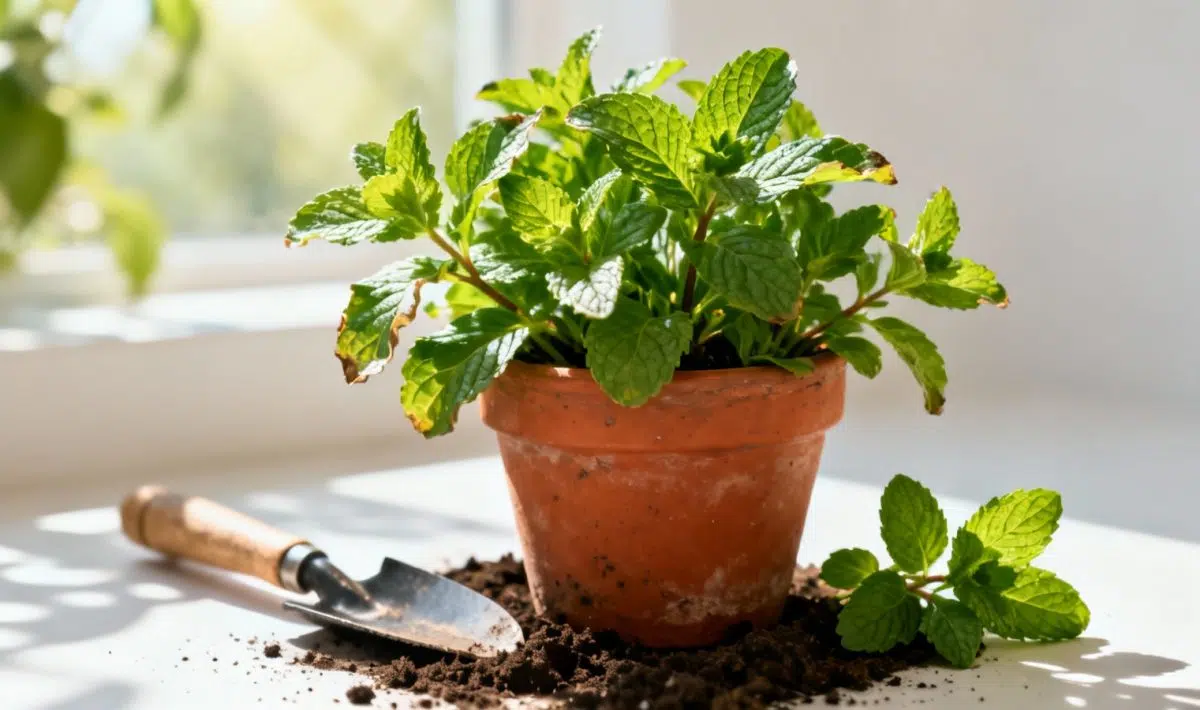
Growing spearmint in your garden is one of the most rewarding experiences you can have with aromatic herbs. This delightful plant, scientifically known as Mentha spicata, brings both culinary versatility and natural beauty to any growing space. Unlike its cousin peppermint, spearmint offers a gentler, sweeter flavor that makes it perfect for teas, cooking, and fresh garnishes.
What makes spearmint particularly appealing is its incredible hardiness and ease of care. The plant thrives in various conditions and can survive temperatures as low as -17°C to -22°C, making it suitable for most temperate climates. However, be prepared for its enthusiastic spreading habit – this vigorous grower will quickly colonize available space through its underground rhizome system.
Key characteristics of Mentha spicata plants
Spearmint displays distinctive features that make identification simple for any gardener. The leaves are bright green, serrated along the edges, and release that characteristic minty aroma when crushed. These aromatic leaves contain high levels of carvone, the compound responsible for spearmint’s sweet, cooling scent – quite different from the menthol-heavy peppermint varieties.
The plant typically reaches heights of 40-80 cm when fully mature, forming dense clumps that spread through underground runners. During summer months, spearmint produces attractive spikes of small purple or pink flowers that bloom from August through October. These blooms are particularly beloved by bees and other pollinators, making spearmint an excellent choice for wildlife-friendly gardens.
Understanding growth patterns helps with successful cultivation. Just as care tips for Liatris spicata require attention to spacing, spearmint benefits from proper containment strategies to prevent unwanted spreading throughout your garden beds.
Optimal growing conditions for spearmint
Creating the right environment sets your spearmint up for thriving growth. This adaptable herb performs best in locations that receive morning sunlight with some afternoon shade, though it tolerates full sun in cooler climates. The ideal soil should be well-draining yet consistently moist, with a slightly acidic to neutral pH between 6.0 and 7.0.
Soil preparation makes a significant difference in plant health. Work organic matter like compost into heavy clay soils to improve drainage, while sandy soils benefit from added organic material to retain moisture. Poor drainage often leads to root rot, one of the most common issues affecting mint species.
Temperature considerations are equally important. While spearmint handles cold exceptionally well, sudden temperature fluctuations during the growing season can stress plants. Spring planting after the last frost date gives plants time to establish before summer heat arrives.
Planting and establishment techniques
Starting spearmint successfully involves choosing the right planting method for your situation. Most gardeners find that purchasing established plants from nurseries provides the quickest path to a thriving herb garden. However, growing from seed is certainly possible, though germination can be inconsistent and slow.
Container growing offers excellent control over spearmint’s spreading tendencies. Use pots at least 12 inches wide and deep, ensuring adequate drainage holes. This approach works particularly well for small gardens or when you want to move plants seasonally. Indoor growing during winter months extends your harvest period significantly.
Direct soil planting requires more planning but produces larger, more established colonies. Dig planting holes twice the width of the root ball and amend surrounding soil with compost. Space multiple plants 18-24 inches apart to allow for natural spreading. Consider installing root barriers to contain growth within desired areas.
Essential care and maintenance practices
Watering represents the most critical aspect of spearmint care. These plants prefer consistently moist soil without becoming waterlogged. During hot summer periods, daily watering may be necessary, while cooler seasons require less frequent attention. Mulching around plants helps retain soil moisture and suppresses competing weeds.
Fertilization needs remain relatively modest for healthy spearmint plants. A balanced, organic fertilizer applied monthly during the growing season supports vigorous growth. Avoid over-fertilizing with nitrogen, which can reduce essential oil concentration in leaves and make plants more susceptible to disease issues.
Regular harvesting encourages continued growth and prevents flowering, which can reduce leaf quality. Pinch off flower buds as they appear to direct energy into leaf production. Similar to caring for Begonia rex plants, consistent maintenance produces the best results throughout the growing season.
Propagation methods for expanding your collection
Spearmint propagates through several reliable methods, making it easy to expand your herb collection or share with fellow gardeners. Division represents the simplest approach – simply dig up established clumps in spring or fall and separate into smaller sections, ensuring each piece contains roots and shoots.
Cutting propagation works wonderfully for spearmint varieties. Take 4-6 inch cuttings from healthy stems, remove lower leaves, and place in water or moist potting mix. Roots typically develop within 10-14 days in warm conditions. This method produces exact clones of the parent plant, maintaining desired characteristics.
Rhizome propagation takes advantage of spearmint’s natural spreading mechanism. Carefully dig up underground runners with attached growing points and replant in new locations. This technique works best during early spring when new growth begins emerging from dormant rhizomes.
Managing pests and common diseases
Pest management for spearmint typically involves monitoring for common insects like aphids, spider mites, and mint flea beetles. Regular inspection of leaf undersides reveals early infestations before they become problematic. Natural predators often control pest populations effectively when chemical pesticides are avoided.
Fungal diseases pose the most serious threats to mint plants, particularly in humid conditions with poor air circulation. Rust appears as orange spots on leaf surfaces, while powdery mildew creates white, powdery coating on foliage. Proper spacing, adequate drainage, and morning watering help prevent these issues.
Preventive measures prove more effective than treatments after problems develop. Just as growing Pontic rhododendron Successfully requires attention to environmental conditions, spearmint thrives when cultural practices support plant health rather than encouraging disease development.
Harvesting and utilizing your spearmint crop
Timing your harvest maximizes both yield and flavor quality. The best time for cutting spearmint is during morning hours after dew evaporates but before afternoon heat arrives. Young leaves contain higher concentrations of essential oils, making them more flavorful than older, tougher foliage.
Harvesting techniques affect plant productivity throughout the season. Cut stems about one-third of their length, leaving enough foliage for continued photosynthesis. Regular harvesting every 2-3 weeks during active growth periods encourages bushier plants and prevents woody stem development.
Fresh spearmint leaves enhance numerous culinary applications, from traditional Middle Eastern dishes to refreshing summer beverages. Drying methods include air-drying in bundles or using dehydrators for longer-term storage. Properly dried spearmint retains most of its flavor compounds for several months when stored in airtight containers.
Seasonal care considerations
Spring maintenance begins with cutting back dead stems from winter and applying fresh compost around established plants. This is also the ideal time for division and new plantings, as soil temperatures warm and growth resumes. Watch for new shoots emerging from rhizomes, indicating successful overwintering.
Summer care focuses on consistent watering and regular harvesting to maintain plant vigor. Hot weather may cause some leaf yellowing, which is normal stress response. Providing afternoon shade during extreme heat waves helps maintain leaf quality. Similar to successful apricot tree cultivation, summer water management proves crucial for plant health.
Fall preparation involves reducing watering as growth slows and temperatures drop. Allow some flowers to develop if you want to attract late-season pollinators, but remove spent blooms before seed set to prevent unwanted spreading. Cut plants back to ground level after first hard frost.
Winter protection requirements vary by climate zone. In areas with harsh winters, apply a thick mulch layer over root zones. Container plants should be moved to protected locations or brought indoors. The exceptional cold tolerance of spearmint means most plants survive winter conditions that would kill less hardy herbs.
Companion planting and garden integration
Spearmint works beautifully in herb garden combinations alongside basil, oregano, and thyme. However, its spreading nature requires careful placement to avoid overwhelming neighboring plants. Consider using it as a natural border or in dedicated sections where its growth can be contained.
The aromatic properties of spearmint may help deter certain garden pests, making it a useful companion for vegetables like tomatoes and cabbage. Some gardeners report reduced ant activity around mint plantings, though scientific evidence for pest-deterrent effects remains limited.
Design considerations should account for the visual impact of spearmint throughout the growing season. The bright green foliage provides excellent contrast to darker-leaved plants, while the summer flower spikes add vertical interest. Much like tips for growing oxeye daisies, planning for seasonal changes creates more dynamic garden displays.
Troubleshooting common growing challenges
Yellowing leaves often indicate watering issues, either too much or too little moisture. Check soil drainage and adjust watering schedules accordingly. Nutrient deficiencies can also cause leaf discoloration, particularly nitrogen deficiency which creates yellowing from bottom leaves upward.
Slow growth or weak plants may result from insufficient sunlight, poor soil conditions, or overcrowding. Evaluate growing conditions and make necessary adjustments. Dividing overcrowded clumps every 2-3 years maintains plant vigor and prevents competition for resources.
Invasive spreading concerns many gardeners new to growing spearmint. Root barriers buried 12-18 inches deep effectively contain underground runners. Regular maintenance around planting areas helps catch escaping shoots before they establish new colonies. Container growing remains the most reliable containment method for small gardens.
Advanced cultivation techniques
Selective breeding and variety selection allow gardeners to choose spearmint types best suited to their needs. Some cultivars offer more compact growth habits, while others provide enhanced flavor profiles. Research local availability of specialty varieties through herb societies or specialty nurseries.
Hydroponic cultivation presents interesting possibilities for year-round spearmint production. The controlled environment eliminates many pest and disease issues while allowing precise nutrient management. However, this approach requires more technical knowledge and equipment investment than traditional soil growing.
Intercropping strategies can maximize garden productivity while managing spearmint’s spreading tendencies. Plant aggressive crops like caring for Oriental arborvitae trees nearby to create natural competition that limits mint expansion. Alternatively, use spearmint as a living mulch beneath taller plants that can benefit from its ground-covering properties.
Allan is a lifelong gardening enthusiast who still gets excited when the first seedlings pop up in spring. With a deep love for nature and a hands-in-the-soil approach, he shares practical tips, plant discoveries, and clever tricks picked up over years of digging, planting, and observing. Whether you’re a new gardener or have a shed full of tools, Allan writes like a neighbor who’s always happy to swap cuttings and stories over the fence.
You can find more about Allan’s work on Malt or connect with him on LinkedIn.