Oriental arborvitae – Platycladus orientalis: care, characteristics, culture, propagation
The Oriental arborvitae, scientifically known as Platycladus orientalis, stands as one of the most versatile evergreen conifers for modern landscaping. This remarkable tree offers exceptional adaptability and low-maintenance requirements that make it perfect for both novice and experienced gardeners. Whether you’re planning a formal garden design or seeking a reliable windbreak solution, understanding the care requirements of this species will help you achieve stunning results in your outdoor space.
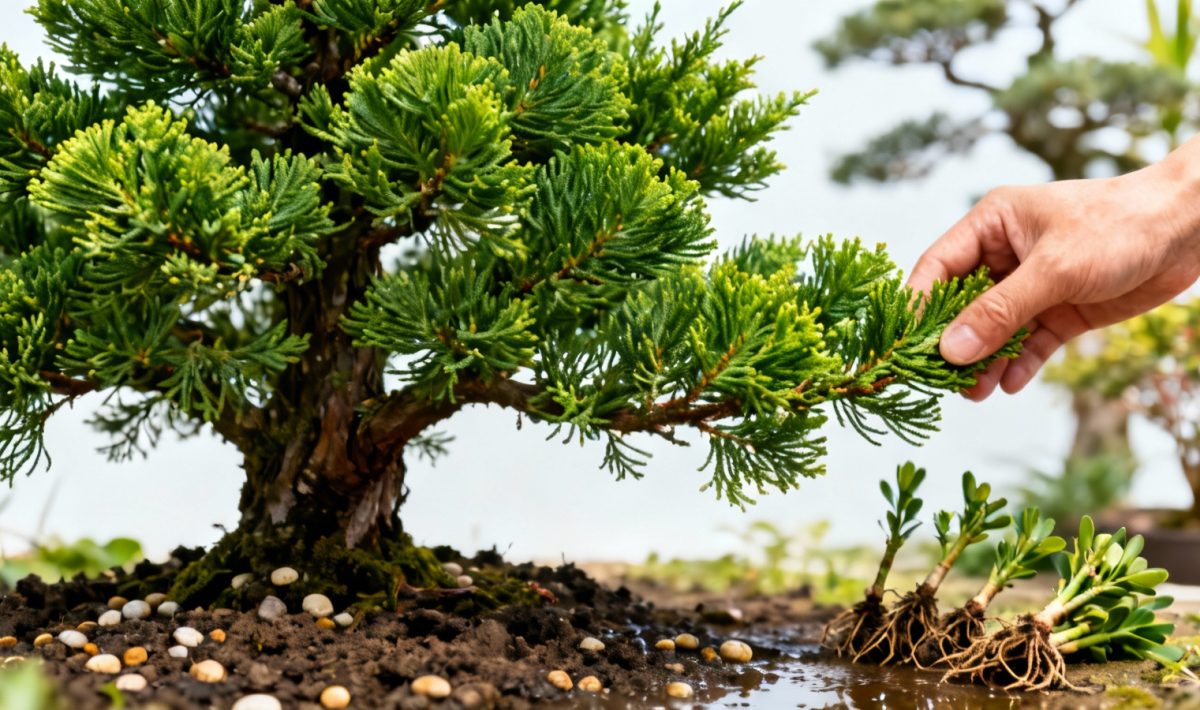
Oriental arborvitae presents distinctive features that set it apart from other conifers. The tree typically reaches heights of 18-25 meters with a mature width of 10-15 meters, though many nursery cultivars remain more compact for residential applications. Its dense, dark green foliage maintains an attractive pyramidal or conical shape throughout the year, providing consistent visual appeal regardless of the season.
The slow growth rate of this species actually works to your advantage, requiring minimal pruning intervention while developing into a well-proportioned specimen. The persistent foliage creates excellent screening capabilities, making it an ideal choice for privacy barriers or accent plantings. Additionally, the tree’s moderate stature makes it particularly suitable for planting beneath power lines where height restrictions apply.
Native to northeastern Asia, this hardy conifer demonstrates remarkable tolerance to various soil conditions, including alkaline and dry environments. Once established, the plant exhibits excellent drought resistance, reducing ongoing irrigation needs. This adaptability extends to temperature ranges as well, with successful cultivation possible in USDA zones 5-9, and some sources indicating tolerance up to zones 6-11.
Optimal growing conditions for success
Creating the right environment for your Oriental arborvitae begins with proper site selection. These trees perform best in full sun locations receiving 6-8 hours of direct sunlight daily. While they can tolerate partial shade, the foliage density and overall form may suffer in lower light conditions. Choose a location with adequate air circulation to prevent moisture-related issues.
Soil preparation plays a crucial role in long-term plant health. Oriental arborvitae adapts to various soil types but thrives in well-draining locations with slightly alkaline to neutral pH levels. Heavy clay soils should be amended with organic matter to improve drainage, while sandy soils benefit from compost additions to enhance water retention. The key lies in avoiding waterlogged conditions that can lead to root problems.
For gardeners interested in diverse plant cultivation techniques, exploring different species can provide valuable insights. For example, learning about the guide to caring for Pontic rhododendron can offer complementary knowledge about managing evergreen shrubs in similar growing conditions.
Temperature considerations remain relatively straightforward for this resilient species. Oriental arborvitae tolerates both hot summers and cold winters within its hardiness range. However, newly planted specimens benefit from protection during their first winter, particularly in areas experiencing temperature extremes. Mulching around the base helps regulate soil temperature and moisture levels.
Essential care and maintenance practices
Watering requirements for Oriental arborvitae change significantly as the plant matures. Young trees need consistent moisture during their establishment period, typically requiring deep watering once or twice weekly during dry spells. Mature specimens develop extensive root systems that access deeper soil moisture, dramatically reducing irrigation needs except during prolonged drought periods.
Fertilization should be approached with moderation for optimal results. A balanced, slow-release fertilizer applied in early spring provides adequate nutrition for the growing season. Avoid over-fertilizing, which can promote excessive soft growth susceptible to winter damage. Organic compost worked into the soil around the drip line annually offers gentle, long-term nutrition benefits.
Pruning Oriental arborvitae requires minimal intervention when properly positioned. Light shaping can be performed in late winter or early spring before active growth begins. Focus on removing dead, damaged, or crossing branches while maintaining the natural form. Heavy pruning should be avoided as it can create permanent gaps in the foliage that rarely fill in completely.
Pest and disease management typically involves preventive measures rather than reactive treatments. Good air circulation, proper spacing, and avoiding overhead watering help prevent common fungal issues. Spider mites occasionally become problematic during hot, dry periods but usually resolve with improved watering practices and increased humidity around the plant.
Propagation methods and techniques
Propagating Oriental arborvitae can be accomplished through several reliable methods, each with specific advantages. Seed propagation offers the most economical approach for producing multiple plants, though genetic variation may result in offspring that differ from the parent plant. Fresh seeds collected in autumn provide the best germination rates when properly prepared and stratified.
The seed stratification process requires patience but ensures better results. Clean seeds should be mixed with moist peat moss or sand and stored in refrigerated conditions for 60-90 days. This cold treatment breaks down germination inhibitors and prepares seeds for spring sowing. Plant stratified seeds in well-draining potting mix and maintain consistent moisture until germination occurs.
Cutting propagation provides more predictable results for maintaining specific cultivar characteristics. Semi-hardwood cuttings taken in late summer root more readily than hardwood cuttings. Prepare 4-6 inch cuttings from current season’s growth, remove lower foliage, and treat with rooting hormone before inserting into propagation medium. Maintaining high humidity and consistent temperature promotes successful root development.
Much like the careful attention required when understanding information on growing apricot trees from seed or cutting, Oriental arborvitae propagation benefits from consistent environmental controls during the rooting phase.
Young plant care requires special attention during the critical establishment period. Newly rooted cuttings or germinated seedlings should be gradually acclimated to outdoor conditions through a hardening-off process. Protect young plants from extreme temperatures, strong winds, and intense sunlight until they develop sufficient root systems and sturdy growth.
Landscaping applications and companion planting
Oriental arborvitae excels in numerous landscaping roles, making it a versatile addition to diverse garden styles. Its formal appearance suits structured designs, while the natural pyramidal shape complements informal landscape settings. Use single specimens as focal points or plant in groups for screening and windbreak purposes.
The tree’s moderate size and dense growth habit make it excellent for creating privacy screens without overwhelming smaller properties. Strategic placement near property lines or around outdoor living spaces provides year-round screening while maintaining an attractive appearance. Consider sight lines from both your property and neighboring areas when planning placement.
Companion planting opportunities abound with Oriental arborvitae serving as an excellent backdrop for smaller plants. Low-growing perennials and groundcovers planted around the base create layered interest without competing for resources. The tree’s tolerance for alkaline soils opens possibilities for pairing with other lime-loving species.
For gardens incorporating edible plants, understanding various growing requirements proves beneficial. Knowledge gained from tips for cultivating cucumbers effectively can inform decisions about soil preparation and spacing considerations when designing mixed-use landscapes.
Wildlife benefits add another dimension to Oriental arborvitae’s landscape value. The dense foliage provides excellent nesting sites for birds, while the tree structure offers protection for various small mammals. These ecological contributions enhance the overall biodiversity of your garden ecosystem while providing natural pest control services.
Consider seasonal interest when incorporating Oriental arborvitae into your landscape design. While the evergreen foliage provides consistent structure throughout the year, companion plantings can add seasonal color and texture variation. Spring bulbs, summer perennials, and autumn-fruiting shrubs create dynamic combinations that change with the seasons.
Integration with other tree species requires careful planning to ensure compatible growing requirements. Species like how to nurture honey locust trees offer interesting contrasts in form and foliage texture while sharing similar soil and moisture preferences for cohesive landscape design.
Maintenance considerations for established landscapes include planning for mature size and ongoing care requirements. Oriental arborvitae’s slow growth rate means initial spacing decisions have long-term implications for garden development. Allow adequate space for full maturity while considering how the landscape will evolve over time.
For those interested in creating diverse garden themes, exploring different plant families expands design possibilities. Understanding details on China rose cultivation provides insights into incorporating flowering elements that complement evergreen backdrops while requiring similar care approaches.
Successfully growing Oriental arborvitae rewards gardeners with a reliable, attractive evergreen that serves multiple landscape functions. From initial planting through maturity, this adaptable species offers consistent performance with minimal maintenance requirements. Whether used as a specimen plant, screening element, or wildlife habitat component, Platycladus orientalis proves its worth as a valuable addition to diverse garden settings. The investment in proper site preparation and initial care pays dividends through years of dependable landscape performance and visual appeal.
Allan is a lifelong gardening enthusiast who still gets excited when the first seedlings pop up in spring. With a deep love for nature and a hands-in-the-soil approach, he shares practical tips, plant discoveries, and clever tricks picked up over years of digging, planting, and observing. Whether you’re a new gardener or have a shed full of tools, Allan writes like a neighbor who’s always happy to swap cuttings and stories over the fence.
You can find more about Allan’s work on Malt or connect with him on LinkedIn.