Corn poppy characteristics and growing tips for Papaver rhoeas
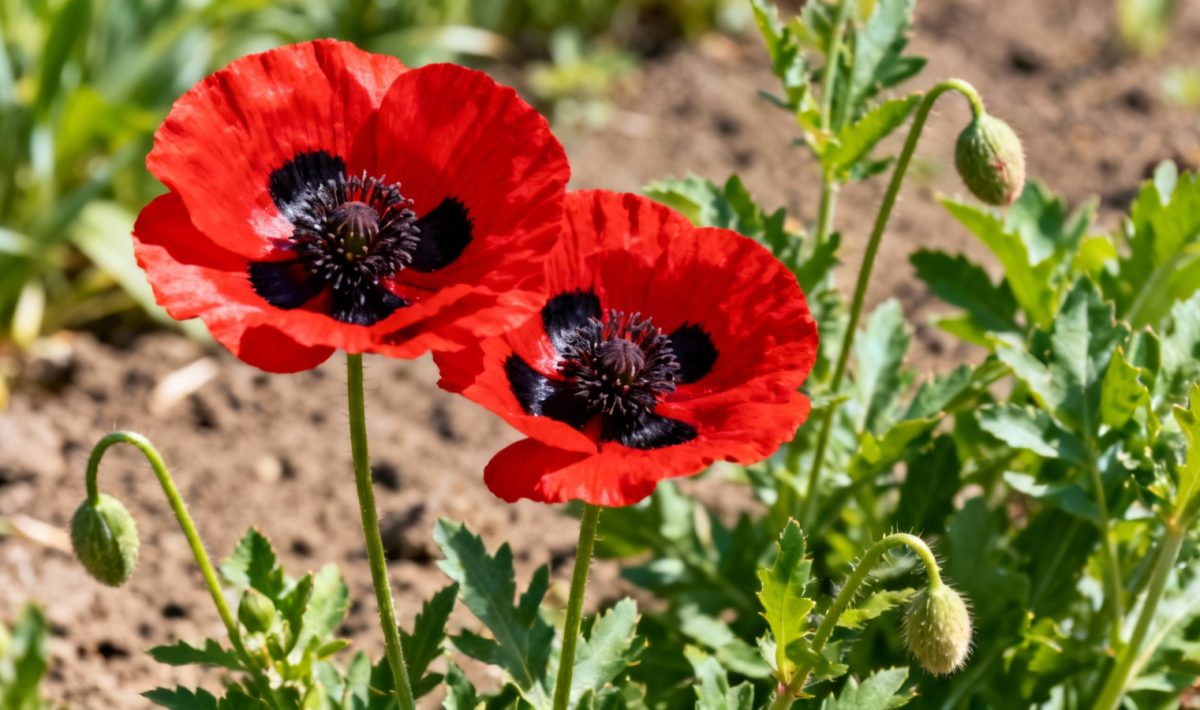
The corn poppy, scientifically known as Papaver rhoeas, stands as one of nature’s most charming annual flowers. With its delicate, papery petals and vibrant red blooms, this resilient plant has captured gardeners’ hearts worldwide. This versatile species thrives in various conditions and offers both ornamental beauty and practical benefits for your outdoor space.
Papaver rhoeas typically reaches heights of 2 to 3 feet (60-90 cm) with a spread of approximately 0.75 to 1.25 feet (23-38 cm). The plant produces stunning saucer-shaped flowers measuring roughly 3 inches in diameter. These blooms showcase the classic bright red color, though modern cultivars offer variations in pink, white, and bicolor combinations.
The foliage consists of deeply lobed, hairy leaves that create an attractive backdrop for the striking flowers. During the growing season, the plant develops distinctive seed pods that eventually release thousands of tiny black seeds. This self-seeding nature allows corn poppies to naturalize beautifully in garden settings.
One remarkable aspect of these plants is their tolerance for various soil conditions. They flourish in poor, rocky, or gravelly soils where many other flowers struggle. This adaptability makes them excellent choices for challenging garden areas or naturalized meadow plantings.
Essential care requirements
Caring for corn poppies proves surprisingly straightforward once you understand their basic needs. These hardy annuals prefer full sun exposure, requiring at least six hours of direct sunlight daily for optimal flowering. However, they can tolerate partial shade, though bloom production may decrease.
Soil drainage plays a crucial role in successful cultivation. While these plants adapt to various soil types, waterlogged conditions can lead to root rot and plant failure. Sandy or loamy soils with good drainage provide ideal growing conditions. The pH range should ideally fall between 6.0 and 7.5, though corn poppies demonstrate remarkable tolerance for slightly alkaline conditions.
Watering requirements remain minimal once plants establish themselves. Young seedlings benefit from regular moisture during their first few weeks, but mature plants actually prefer drier conditions. Overwatering can reduce flowering and make plants more susceptible to fungal diseases. For gardeners interested in diverse plant care approaches, care tips for Pontic rhododendron offer insights into managing different moisture requirements across species.
Fertilization and nutrition
Corn poppies thrive in nutrient-poor soils and rarely require additional fertilization. In fact, overly rich soil can promote excessive foliage growth at the expense of flower production. If your garden soil is particularly poor, a light application of balanced fertilizer during spring planting may help, but avoid nitrogen-heavy formulations.
Compost or well-rotted organic matter incorporated into the planting area provides gentle, slow-release nutrients. This approach mimics the plant’s natural growing conditions in field margins and disturbed soils. The key lies in providing just enough nutrition without overwhelming these naturally hardy plants.
Cultivation techniques and timing
Successful corn poppy cultivation begins with proper timing and seeding techniques. The optimal sowing period falls during late autumn or early spring, depending on your climate zone. In regions with mild winters, autumn sowing allows plants to establish strong root systems before spring growth spurts.
Seeds require temperatures around 55°F (13°C) for germination, which typically occurs within 10-14 days under favorable conditions. Direct seeding in the garden produces better results than transplanting, as these plants develop long taproots that dislike disturbance. Simply scatter seeds over prepared soil and lightly rake them in, ensuring good soil contact.
Space seedlings approximately 6 inches apart once they emerge, though corn poppies can tolerate closer spacing in naturalized settings. This flexibility allows for both formal garden plantings and more relaxed wildflower meadow approaches. Just as growing apricot trees successfully requires understanding specific timing needs, corn poppies benefit from strategic planting schedules.
Extending the blooming period
While individual flowers last only a few days, you can extend the overall blooming season through simple maintenance practices. Deadheading spent flowers before seed pod formation encourages continued flower production throughout the growing season. However, allowing some pods to mature ensures natural reseeding for the following year.
Successive sowings every two to three weeks during early spring create waves of blooms that extend the flowering period well into summer. This technique proves particularly effective in cutting gardens where continuous flower production is desired.
Propagation methods and seed collection
Propagation of Papaver rhoeas relies primarily on seed collection and sowing, as these annuals don’t respond well to vegetative propagation methods. The most reliable approach involves collecting seeds from mature pods during late summer or early autumn.
Seed pods develop after flowering and gradually turn brown as they mature. The characteristic rattle sound when shaken indicates readiness for harvest. Cut the entire stem with the pod and place it in a paper bag to complete drying. Once fully dry, the pods split open to release numerous tiny black seeds.
Store collected seeds in cool, dry conditions in labeled envelopes or containers. Properly stored seeds remain viable for several years, though fresh seeds generally show higher germination rates. Many gardeners find that letting some plants self-seed naturally provides the most reliable propagation method. Similar to the natural approaches used in tips for cultivating cucumbers, working with natural plant cycles often yields the best results.
Creating seed mixes and combinations
Corn poppy seeds blend beautifully with other wildflower species to create stunning meadow plantings. Combining them with cornflower, chamomile, and other annual species creates diverse, colorful displays that support beneficial insects and wildlife.
When creating custom seed mixes, consider bloom times and growing requirements to ensure compatible combinations. Corn poppies pair particularly well with grasses and other species that prefer similar growing conditions and maintenance levels.
Common challenges and solutions
Despite their generally trouble-free nature, corn poppies can face certain challenges in garden settings. Herbicide drift from nearby agricultural areas sometimes affects plants, as these chemicals can severely damage or kill sensitive poppy seedlings. If herbicide exposure is suspected, affected plants rarely recover and require replacement.
Slugs and snails occasionally target young seedlings, particularly during wet spring conditions. Physical barriers or organic slug control methods help protect vulnerable plants until they mature beyond the susceptible stage. Once established, mature plants rarely suffer significant pest damage.
In regions with extremely hot summers, corn poppies may struggle during peak heat periods. Providing some afternoon shade or maintaining consistent soil moisture during heat waves helps plants survive challenging conditions. However, these annuals naturally complete their life cycle by midsummer in many climates. For gardeners dealing with challenging growing conditions, learning from diverse plant care approaches like how to care for Oriental arborvitae can provide valuable insights.
Managing self-seeding
While the self-seeding nature of corn poppies provides wonderful naturalization, it can become overwhelming in formal garden settings. Managing this tendency involves selective deadheading and controlled seed collection. Remove spent flowers in areas where you want to prevent seeding while allowing some pods to mature in designated areas.
Regular cultivation and mulching can also help control unwanted seedlings. However, many gardeners embrace the spontaneous nature of these plants, viewing volunteer seedlings as delightful garden surprises rather than weeds to eliminate.
Landscape applications and design uses
Corn poppies offer tremendous versatility in landscape design applications. Their informal, cottage garden appearance works beautifully in naturalized plantings, meadow gardens, and wildlife habitats. The bright red flowers create stunning color contrasts against green foliage and complement both warm and cool color schemes.
In formal gardens, corn poppies work well as annual bedding plants or in cutting gardens. Their relatively short stems make them suitable for front to middle border positions. The delicate, papery texture of the flowers adds visual interest and movement to planting compositions.
These versatile plants also excel in container gardens and raised beds. Their compact size and colorful blooms make them excellent choices for seasonal displays. Just as growing honey locust trees requires understanding specific design applications, corn poppies benefit from thoughtful placement in landscape compositions.
Consider combining corn poppies with complementary species that share similar growing requirements. Mediterranean herbs, ornamental grasses, and other drought-tolerant annuals create harmonious plantings that thrive with minimal intervention. The result is a beautiful, sustainable garden that supports both aesthetic goals and ecological benefits.
Seasonal interest and maintenance
Beyond their spectacular spring and early summer flowering, corn poppies provide ongoing seasonal interest through their attractive seed pods and foliage. The developing pods add textural elements to garden compositions, while the naturalistic growth habit creates a relaxed, informal atmosphere.
Maintenance requirements remain minimal throughout the growing season. Occasional weeding around young plants helps them establish successfully, but mature plantings typically outcompete most weeds naturally. This low-maintenance characteristic makes corn poppies excellent choices for busy gardeners or extensive naturalized areas. Similar to approaches used for caring for China roses, understanding each plant’s natural growth patterns leads to more successful cultivation outcomes.
The corn poppy truly deserves recognition as one of nature’s most rewarding annual flowers. Its combination of striking beauty, cultural significance, and easy cultivation makes it an invaluable addition to diverse garden settings. Whether you’re creating a formal flower border or establishing a wildflower meadow, these resilient plants will reward your efforts with months of cheerful blooms and countless opportunities for natural propagation in seasons to come.
Allan is a lifelong gardening enthusiast who still gets excited when the first seedlings pop up in spring. With a deep love for nature and a hands-in-the-soil approach, he shares practical tips, plant discoveries, and clever tricks picked up over years of digging, planting, and observing. Whether you’re a new gardener or have a shed full of tools, Allan writes like a neighbor who’s always happy to swap cuttings and stories over the fence.
You can find more about Allan’s work on Malt or connect with him on LinkedIn.