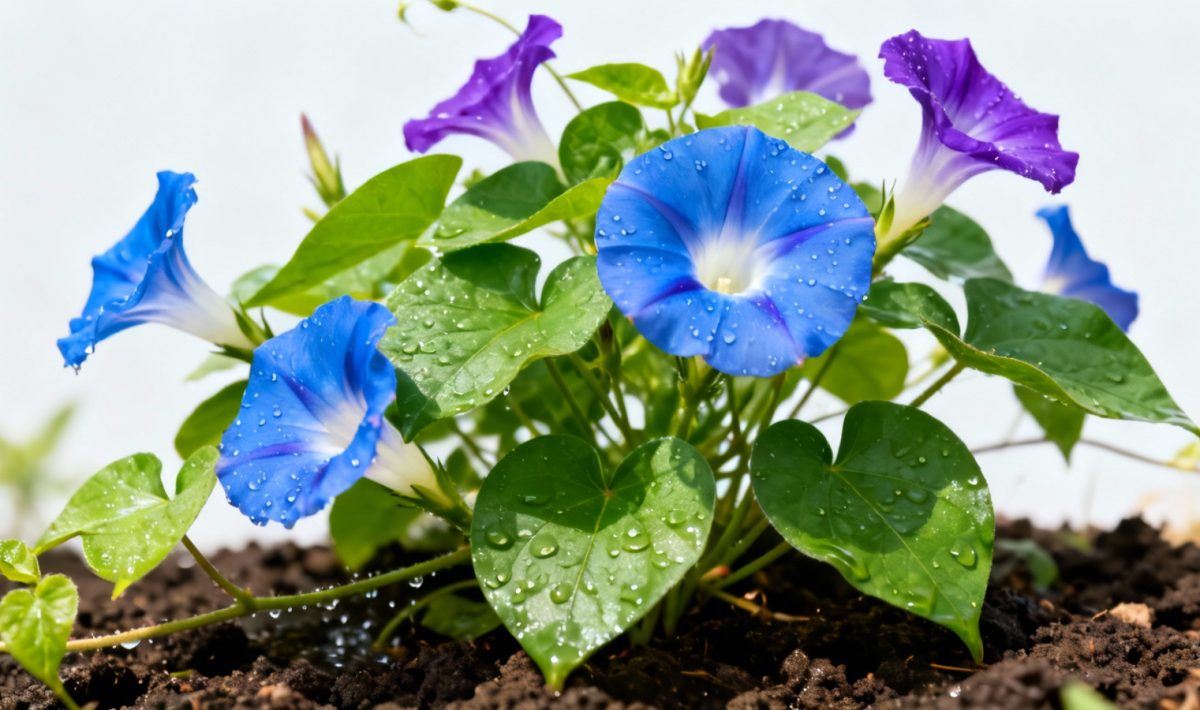
The common morning glory (Ipomoea purpurea) stands out as one of the most rewarding climbing annuals for any garden enthusiast. These beautiful vining plants create spectacular displays with their trumpet-shaped flowers, but their success depends entirely on proper watering techniques. Understanding how often should you water your common morning glory becomes crucial for achieving that lush, blooming wall of color you’ve been dreaming of.
Morning glory plants are surprisingly thirsty specimens that demand consistent moisture throughout their growing season. Their tropical origins mean they thrive with regular water supply, yet they’re also sensitive to waterlogged conditions. This delicate balance makes watering frequency one of the most critical aspects of morning glory care.
Why proper watering matters for plant health
Water serves multiple vital functions for your morning glory plants. It transports nutrients from the soil through the root system to all parts of the plant, enabling robust growth and vibrant flower formation. Adequate moisture also helps maintain cell structure, keeping leaves crisp and flowers full.
When morning glories receive consistent watering, they can reach their full potential of climbing up to six feet in a single growing season. However, inconsistent moisture levels stress the plants, leading to stunted growth, fewer blooms, and increased susceptibility to pests and diseases. For similar attention to watering needs, you might find our guide on optimal watering for common mullein helpful for other garden plants.
Seasonal watering schedules for optimal growth
Spring watering strategies
During spring months, your newly planted morning glory seeds or seedlings need gentle but consistent moisture. The soil should remain evenly moist but never soggy. Check the soil daily by inserting your finger about an inch deep – if it feels dry, it’s time to water.
Spring temperatures are generally milder, so morning glories typically need watering every 2-3 days. However, this frequency can vary based on rainfall, humidity levels, and soil type. Always adjust your schedule based on actual soil conditions rather than following a rigid timeline.
Summer watering requirements
Summer brings the peak growing season for morning glories, and with it comes increased water demands. During hot months, these fast-growing vines may need daily watering, especially if planted in containers or sandy soil. The key is maintaining consistently moist soil without creating waterlogged conditions.
On particularly hot days when temperatures exceed 85°F, consider watering both morning and evening. This practice helps prevent stress and keeps the soil from drying out completely. Early morning watering is preferable as it allows plants to absorb moisture before the heat intensifies.
Key factors that influence watering frequency
Soil type considerations
Your garden’s soil composition significantly impacts how often you need to water morning glories. Sandy soils drain quickly and require more frequent watering – sometimes daily during hot weather. Clay soils retain moisture longer but can become waterlogged if overwatered, potentially causing root rot.
Well-draining loamy soil provides the ideal growing medium for morning glories. This soil type holds moisture while allowing excess water to escape, reducing the risk of root problems. If you’re dealing with heavy clay soil, consider adding compost or perlite to improve drainage. Those growing other garden plants might benefit from reading about watering tips for common hornbeam for comparison.
Environmental factors to monitor
Weather conditions play a crucial role in determining watering needs. High humidity reduces water loss through evaporation, meaning you can water less frequently. Conversely, hot, dry, or windy conditions increase moisture loss and require more frequent watering sessions.
Container-grown morning glories face additional challenges. Pots heat up quickly in direct sunlight, causing faster moisture evaporation. These plants often need twice-daily watering during peak summer heat. Consider placing saucers under containers to provide a water reservoir, but empty them if water sits for more than a day.
Common watering mistakes to avoid
Overwatering dangers
One of the most common errors gardeners make is providing too much water too frequently. Overwatered morning glories develop yellowing leaves, mushy stems, and may show signs of fungal diseases. The root system becomes compromised, unable to absorb nutrients effectively.
Signs of overwatering include consistently wet soil, standing water around the base, and a musty smell from the soil. If you notice these symptoms, reduce watering frequency immediately and improve soil drainage if necessary. For gardeners managing multiple plant varieties, understanding healthy growth for common tansy can provide additional watering insights.
Underwatering consequences
While morning glories can tolerate brief dry periods, consistent underwatering leads to serious problems. Plants become stunted, flowers fail to develop properly, and leaves may turn brown and crispy at the edges. Severely dehydrated morning glories may stop blooming entirely.
Prevention involves establishing a consistent watering routine and monitoring soil moisture regularly. Setting up a simple irrigation system or using moisture-retaining mulch can help maintain consistent soil hydration. Consider installing drip irrigation for large plantings to ensure even water distribution.
Practical watering techniques and timing
Best watering methods
Water morning glories at soil level rather than from above to prevent leaf diseases and ensure water reaches the root zone efficiently. Use a watering can with a long spout or soaker hose for precise application. Deep, thorough watering encourages strong root development compared to frequent shallow watering.
Apply water slowly to allow soil absorption without runoff. This technique ensures maximum water utilization and prevents erosion around the plant base. A layer of organic mulch around your morning glories helps retain soil moisture and reduces watering frequency needs.
Monitoring soil moisture effectively
Develop a reliable system for checking soil moisture before watering. The finger test works well – insert your finger 1-2 inches into the soil near the plant base. If the soil feels dry at this depth, it’s time to water. For deeper insight, consider using a soil moisture meter for more precise readings.
Watch your plants for visual cues about their water needs. Healthy morning glories have firm, upright stems and vibrant green foliage. Slightly drooping leaves in late afternoon may indicate mild water stress, while severe wilting requires immediate attention. Those maintaining diverse gardens might also appreciate guidance on caring for common boxwood plants for comprehensive garden care knowledge.
Advanced care considerations
Container growing adjustments
Morning glories grown in containers require special attention to watering frequency. Pots dry out much faster than ground plantings, especially during hot weather. Choose containers with adequate drainage holes and consider using larger pots to provide more soil volume for moisture retention.
Self-watering containers can be excellent for maintaining consistent moisture levels. These systems provide a water reservoir that plants can access as needed, reducing the risk of both over and underwatering. For additional container gardening insights, exploring watering frequency for African-lily offers valuable comparative knowledge.
Seasonal transitions and plant maturity
As morning glories mature throughout the season, their water needs evolve. Young plants with developing root systems need consistent but lighter watering. Established plants with extensive root networks can handle slightly drier conditions between waterings.
During late summer and early fall, gradually reduce watering frequency as growth slows and temperatures cool. This natural reduction helps plants prepare for the end of their growing season while maintaining healthy flower production until the first frost arrives.
Creating your perfect watering schedule
Successful morning glory cultivation requires developing a personalized watering routine based on your specific growing conditions. Start with general guidelines but adjust based on your soil type, climate, and plant responses. Keep a simple garden journal to track watering dates and plant performance.
Remember that consistency trumps perfection when it comes to watering morning glories. These adaptable plants respond better to regular care than sporadic intensive watering. With proper attention to their moisture needs, your morning glories will reward you with months of spectacular blooms that transform any garden space into a colorful paradise.
Allan is a lifelong gardening enthusiast who still gets excited when the first seedlings pop up in spring. With a deep love for nature and a hands-in-the-soil approach, he shares practical tips, plant discoveries, and clever tricks picked up over years of digging, planting, and observing. Whether you’re a new gardener or have a shed full of tools, Allan writes like a neighbor who’s always happy to swap cuttings and stories over the fence.
You can find more about Allan’s work on Malt or connect with him on LinkedIn.