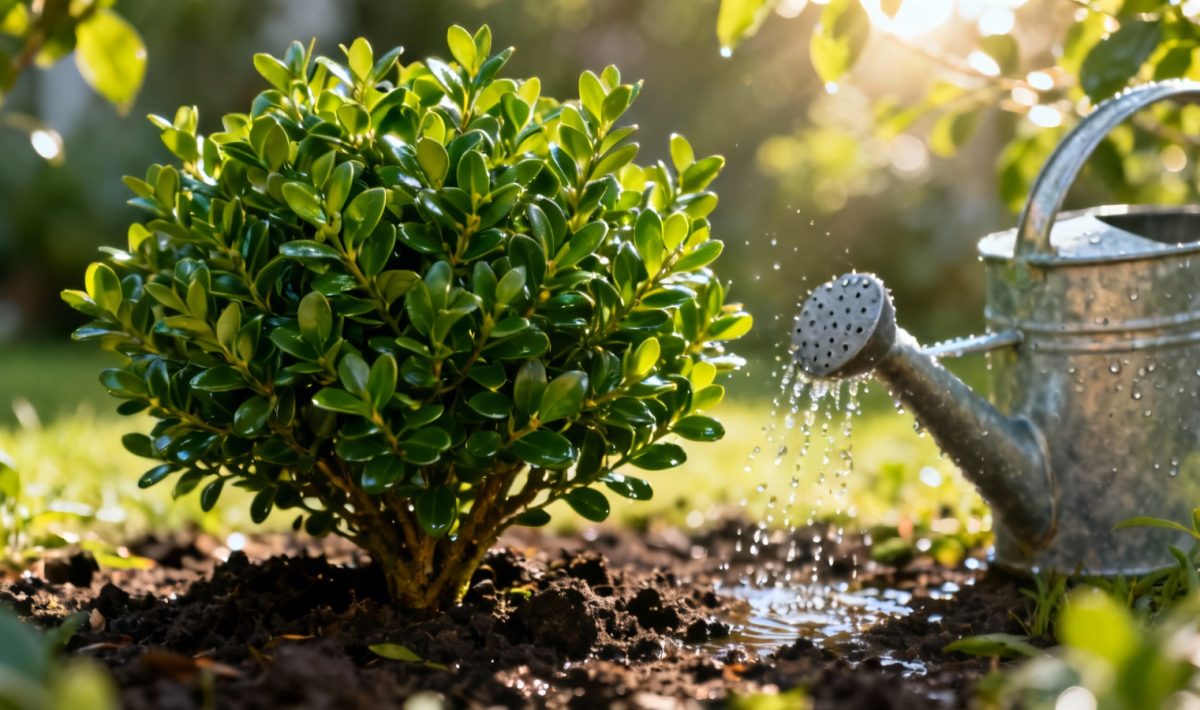
Common boxwood (Buxus sempervirens) stands as one of the most beloved evergreen shrubs in gardens worldwide. These premium plants create stunning topiaires, elegant haies, and well-defined borders that can transform any outdoor space. However, knowing how often should you water your common boxwood remains crucial for maintaining their signature green feuillage and healthy growth.
These durable shrubs are surprisingly adaptable, but they do have specific water requirements that change with the seasons. The key lies in understanding that boxwood plants need consistent moisture without waterlogged conditions, which can damage their root system and overall health.
What makes boxwood special in your garden
Boxwood plants offer exceptional versatility for creating beautiful garden designs. You can shape them into perfect topiaire forms, use them as natural haies, or let them grow into elegant shrubs that provide year-round structure. Their dense feuillage responds well to regular pruning, making them ideal for formal gardens and creative topiary work.
These quality plants thrive in various soil conditions and can adapt to both soleil and partial shade environments. Their lasting appeal comes from their ability to maintain their bright green color throughout the year, providing consistent greenery when other plants may look dormant.
How often should you water your common boxwood during different seasons
The watering frequency for your boxwood depends largely on the season and weather conditions. During spring and summer, when plants are actively growing, you’ll need to water more frequently. Generally, established boxwood plants need watering once or twice per week during dry periods, while newly planted shrubs require more attention.
For newly planted boxwood, water every 2-3 days for the first two weeks to help establish the root system. After this initial period, you can gradually reduce watering to once per week. During hot summer months, increase watering frequency if you notice the soil drying out quickly around the plant base.
Similar to the care needed for optimal watering for common bugle plants, boxwood requires consistent moisture monitoring, especially during establishment periods.
Spring and summer watering schedule
During active growing seasons, boxwood plants need approximately 1 inch of water per week, including rainfall. This translates to about 30 liters of water for smaller shrubs and up to 60 liters for larger, established plants. Water deeply but less frequently rather than giving light, frequent waterings.
Check the soil moisture by inserting your finger about 2 inches into the sol near the plant. If it feels dry, it’s time to water. Always water early morning or evening to reduce evaporation and give plants time to absorb moisture before the heat of the day.
Fall and winter adjustments
As temperatures drop, reduce watering frequency significantly. Boxwood enters a slower growth phase during fall and winter, requiring less moisture. Water only when the top inch of soil feels dry, which may be every 10-14 days depending on rainfall and temperature.
However, don’t completely stop watering during winter. Evergreen plants like boxwood still need some moisture, especially during dry winter spells. Just like when learning watering tips for garden lettuce, understanding seasonal adjustments proves essential for plant health.
Factors that influence watering frequency
Several factors will affect how often you need to water your boxwood plants. Soil type plays a major role – clay soils retain moisture longer, while sandy soils drain quickly and require more frequent watering. Well-draining soil with good organic matter content provides the best growing conditions.
Plant size and age also matter significantly. Young boxwood plants have smaller root systems and need more frequent watering than established shrubs. Larger, mature plants with extensive root systems can access moisture from deeper in the soil and tolerate longer periods between waterings.
The location in your garden affects water needs too. Boxwood planted in full soleil locations will need more water than those in partial shade. Plants growing indoors or in containers require more frequent watering than those planted directly in garden soil.
Recognizing proper moisture levels
Learning to read your boxwood’s water needs becomes easier with experience. Healthy plants maintain bright green feuillage and firm, upright growth. Overwatered plants may show yellowing leaves or soft, mushy stems, while underwatered plants develop brown leaf tips and wilted appearance.
The soil around your boxwood should feel slightly moist but not soggy. When you press your finger into the sol, it should leave an impression without water pooling around it. This indicates excellent drainage combined with adequate moisture retention.
For gardeners dealing with multiple plant types, understanding different watering needs becomes crucial, much like knowing proper care for Egyptian starcluster alongside your boxwood maintenance routine.
Watering techniques for optimal boxwood health
The method you use to water your boxwood can be just as important as frequency. Deep, slow watering encourages roots to grow deeper into the soil, creating more drought-resistant plants. Use a soaker hose, drip irrigation, or simply water slowly at the base of the plant.
Avoid overhead watering when possible, as wet feuillage can promote fungal diseases. Instead, direct water to the root zone around the base of the plant. Create a shallow basin around young plants to help water soak in rather than running off.
For container-grown boxwood, water until you see it draining from the bottom holes. This ensures the entire root ball receives moisture. Container plants dry out much faster than those in ground, so check them more frequently, especially during hot weather.
Tools and equipment for efficient watering
Investing in quality watering equipment makes maintaining your boxwood much easier. A good-quality garden hose with adjustable nozzle gives you control over water pressure and flow. Soaker hoses work excellently for haies or multiple plants in a row.
Consider installing drip irrigation for extensive boxwood plantings. These systems deliver water directly to the root zone efficiently and can be automated with timers. This approach works particularly well for formal gardens with multiple topiaires or long stretches of haies.
Just as watering wax begonias effectively requires attention to detail, successful boxwood care benefits from proper equipment and techniques.
Common watering mistakes to avoid
Many gardeners make the mistake of watering little and often, which encourages shallow root development. This makes plants more susceptible to drought stress and less resilient overall. Instead, water deeply but less frequently to promote strong, deep root systems.
Another common error involves watering during the hottest part of the day. This wastes water through evaporation and can actually stress plants. Early morning watering allows plants to absorb moisture before heat stress begins, while evening watering gives them time to dry before cooler nighttime temperatures.
Overwatering proves just as harmful as underwatering. Boxwood plants can develop root rot in constantly soggy conditions. Always check soil moisture before watering and ensure your planting area has adequate drainage.
Seasonal care adjustments
Adapting your watering routine throughout the year ensures your boxwood remains healthy in all conditions. During spring, gradually increase watering as new growth appears. Summer requires the most attention, with regular monitoring for heat stress.
Fall preparation involves reducing watering frequency while ensuring plants enter winter with adequate moisture. Winter care focuses on preventing complete dryout during extended cold periods, though watering needs drop significantly.
Understanding these patterns, similar to learning about care instructions for Ghost plants, helps create a comprehensive garden care routine that keeps all your plants thriving.
Creating the perfect environment for your boxwood
Beyond watering frequency, creating optimal growing conditions helps your boxwood thrive with less intervention. Improving soil quality with organic matter enhances both drainage and moisture retention. Adding compost or aged manure annually provides nutrition while improving soil structure.
Mulching around your boxwood plants helps maintain consistent soil moisture and temperature. Apply a 2-3 inch layer of organic mulch, keeping it several inches away from the plant stems to prevent moisture-related problems.
Proper spacing when planting allows for good air circulation, which reduces disease pressure and helps plants dry properly after watering or rain. This becomes particularly important for haies where plants grow close together.
For those managing diverse garden plantings, understanding various care requirements proves essential. Learning how to care for turtle vine alongside boxwood care helps develop comprehensive gardening skills that benefit all your plants.
Regular monitoring and adjustment of your watering routine, combined with proper growing conditions, will keep your boxwood plants healthy and beautiful for years to come. These premium shrubs reward good care with lasting beauty and reliable performance in your garden design.
Allan is a lifelong gardening enthusiast who still gets excited when the first seedlings pop up in spring. With a deep love for nature and a hands-in-the-soil approach, he shares practical tips, plant discoveries, and clever tricks picked up over years of digging, planting, and observing. Whether you’re a new gardener or have a shed full of tools, Allan writes like a neighbor who’s always happy to swap cuttings and stories over the fence.
You can find more about Allan’s work on Malt or connect with him on LinkedIn.