
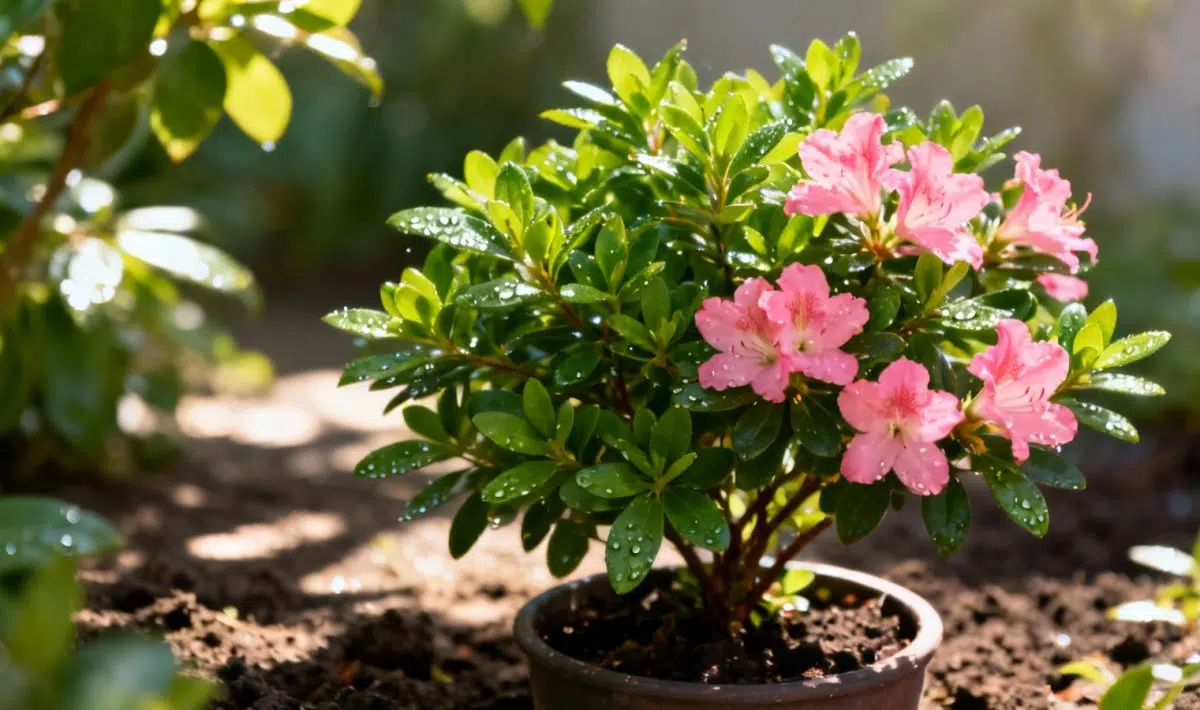
Understanding evergreen azalea sunlight requirements
Evergreen azaleas are among the most beloved flowering shrubs in gardens worldwide, yet many gardeners struggle with providing the right amount of sunlight for these native beauties. The key to success lies in understanding that these plants thrive in a delicate balance between sun and shade.
These remarkable shrubs require approximately 3 to 6 hours of sunlight daily, but not just any type of sun exposure will do. The quality and timing of sunlight can make the difference between a thriving plant with abundant spring blooms and one that struggles to survive.
Getting the sunlight requirements right is crucial because it directly impacts the plant’s ability to photosynthesize, develop healthy leaves, and produce those stunning flowers that make evergreen azaleas so desirable in landscaping.
Optimal sun exposure patterns for healthy growth
Morning sunlight proves to be the most beneficial for evergreen azaleas. These native shrubs perform best when they receive gentle morning sun from dawn until about 1 PM, followed by filtered shade during the hottest part of the day.
This type of exposure allows the plant to gather enough energy through photosynthesis while protecting the delicate leaves from scorching afternoon heat. The warm morning rays help stimulate growth without overwhelming the plant’s natural cooling mechanisms.
Full sun exposure throughout the day can stress these shrubs, leading to wilted leaves and reduced flowering. Conversely, too much shade can result in leggy growth and fewer blooms during the spring flowering season.
Creating the perfect light balance
Filtered or dappled sunlight throughout the day can work just as well as the morning sun and afternoon shade combination. This occurs naturally under the canopy of larger trees, where light penetrates through leaves creating a spotted pattern on the ground.
The key is ensuring your evergreen azalea receives consistent, gentle illumination rather than harsh, direct sunlight. Much like other woodland plants, these shrubs have evolved to thrive in conditions that mimic their native forest habitats.
For gardeners dealing with challenging growing zones, understanding that similar sunlight principles apply to other plants can be helpful. For example, learning about sunlight requirements for evergreen spindle can provide additional insights into managing light-sensitive evergreen plants.
Soil conditions and watering needs
While sunlight remains crucial, the type of soil and regular watering practices significantly influence how well your evergreen azalea tolerates sun exposure. Well-draining, acidic soil helps the plant manage stress from sunlight more effectively.
Moist soil conditions are essential, especially when the shrub receives more sun exposure. The combination of adequate water and proper soil drainage allows the plant to cool itself naturally through transpiration from its leaves.
Regular watering becomes even more critical during warm weather when sunlight exposure increases evaporation rates. However, soggy soil can damage the roots, so finding the right balance is essential for healthy growth.
Seasonal sunlight considerations
Spring represents the most active growing season for evergreen azaleas, when proper sunlight exposure becomes particularly important for flower development. During this time, the plants benefit from slightly more sun exposure to fuel their blooming cycle.
Summer heat requires careful management of sun exposure to prevent leaf scorch and stress. Many successful gardeners increase shade during the hottest months while maintaining adequate light levels for photosynthesis.
Understanding how different plants handle varying light conditions can broaden your gardening knowledge. Exploring Chinese evergreen sunlight needs indoors demonstrates how evergreen plants adapt to different environmental conditions.
Common sunlight mistakes to avoid
One frequent error involves placing evergreen azaleas in full southern exposure without considering the intense afternoon sun. This type of location can quickly overwhelm the plant, leading to stressed foliage and poor flowering performance.
Another common mistake is assuming that because azaleas can tolerate some shade, they can thrive in deep shade conditions. While these plants appreciate protection from harsh sun, they still need sufficient light for healthy growth and blooming.
Over-watering in shady locations represents another pitfall. Plants in lower light conditions use water more slowly, so irrigation needs must be adjusted accordingly to prevent root problems.
Signs of improper sun exposure
Leaves that appear pale or yellowish often indicate too much shade, while brown, crispy leaf edges suggest excessive sun exposure. Healthy evergreen azalea foliage should maintain a rich green color throughout the growing season.
Reduced flowering during spring can signal lighting issues, whether from too much or too little sun. The plant channels energy into survival rather than reproduction when stressed by inappropriate light conditions.
Just as azaleas have specific light requirements, other popular plants also need careful attention to sunlight. Learning about optimal sunlight for dieffenbachia growth can help you understand how different species manage light stress.
Practical placement strategies
East-facing locations often provide ideal conditions for evergreen azaleas, offering morning sun and natural afternoon shade from nearby structures or trees. This orientation protects plants from the harsh western sun while ensuring adequate light exposure.
North-facing spots with filtered light can work well, especially in warmer zones where intense sun exposure becomes problematic. These locations provide consistent, gentle illumination throughout the day.
When planting near larger trees, consider the mature size and canopy density of both the azalea and the overhead tree. The goal is creating a stable light environment that won’t dramatically change as plants grow.
Successful gardening often involves understanding how various plants handle similar growing conditions. For instance, exploring sunlight requirements for healthy avocados can provide insights into managing sun-sensitive fruit-bearing plants alongside ornamental shrubs.
Seasonal care adjustments
During hot summer months, providing temporary shade cloth can help established evergreen azaleas cope with excessive sun exposure. This practice maintains adequate light while reducing heat stress on both leaves and root systems.
Spring pruning should consider how removing branches might affect sun exposure patterns. Careful pruning can actually improve light penetration while maintaining the plant’s natural form and protective canopy.
Regular monitoring throughout the growing season helps identify when light conditions might be changing due to surrounding plant growth or seasonal variations in sun angle.
Long-term success tips
Building healthy soil with organic matter improves the plant’s ability to handle varying light conditions. Rich, well-draining soil supports strong root development, which helps the shrub manage environmental stresses more effectively.
Consistent care practices, including proper watering and appropriate fertilization, complement optimal sunlight exposure to create the best growing conditions for evergreen azaleas.
Remember that patience is key when establishing these shrubs. Plants may take a full growing season to adapt to new light conditions, so avoid making drastic changes to their environment once they’re established and thriving.

Allan is a lifelong gardening enthusiast who still gets excited when the first seedlings pop up in spring. With a deep love for nature and a hands-in-the-soil approach, he shares practical tips, plant discoveries, and clever tricks picked up over years of digging, planting, and observing. Whether you’re a new gardener or have a shed full of tools, Allan writes like a neighbor who’s always happy to swap cuttings and stories over the fence.
You can find more about Allan’s work on Malt or connect with him on LinkedIn.


