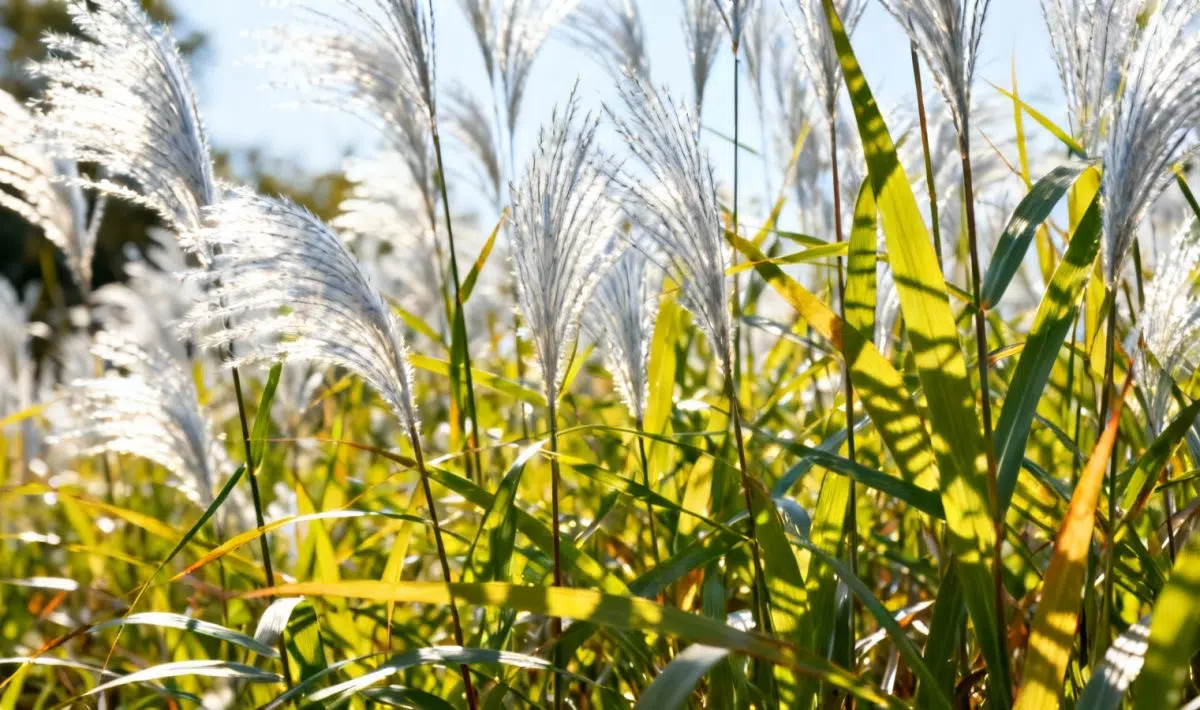
Understanding sunlight requirements for Chinese silver grass cultivation
Chinese silver grass, scientifically known as Miscanthus sinensis, has become increasingly popular among garden enthusiasts for its graceful plumes and striking appearance. This ornamental grass requires specific light conditions to thrive, with how much sunlight does Chinese silver grass need being one of the most crucial questions for successful cultivation. Understanding these requirements will help you achieve spectacular results in your garden.
Understanding Chinese silver grass and its botanical characteristics
This remarkable plant originates from East Asia, where it naturally grows in open meadows and hillsides with abundant sunlight. The grass can reach impressive heights of 4 to 8 feet, creating dramatic focal points in landscape design. Its silvery plumes appear in late summer, providing year-round interest with their persistent seed heads that catch winter light beautifully.
Chinese silver grass belongs to the warm-season grass family, which means it begins active growth when temperatures rise in spring. The plant’s energy comes primarily from photosynthesis, making adequate light exposure absolutely essential for healthy development. Without sufficient sunlight, the grass will struggle to produce its characteristic dense foliage and spectacular flowering displays.
Optimal sunlight requirements for healthy growth
Chinese silver grass thrives best in full sun conditions, requiring at least 6 hours of direct sunlight daily. This minimum exposure ensures proper photosynthesis and supports the plant’s vigorous growth habit. For truly spectacular results, aim for 6 to 8 hours of unfiltered sunlight throughout the growing season.
The plant can tolerate partial shade conditions, receiving about 4 to 6 hours of sunlight or filtered light. However, reduced light exposure typically results in less dense foliage, delayed flowering, and diminished plume production. Similar to understanding sunlight requirements for Chinese hibiscus, proper light assessment ensures optimal plant performance.
During the summer months, when the grass reaches peak growth, consistent daily sun exposure becomes even more critical. The intense sunlight helps develop the strong stems needed to support the large, feathery plumes that make this grass so desirable in garden settings.
Positioning your Chinese silver grass in the garden
Choose locations that receive morning and afternoon sun for the best results. South-facing areas typically provide the most consistent light throughout the day. Avoid planting near large trees or structures that create significant shade, as this will compromise the plant’s development.
When planning your garden layout, consider that mature Chinese silver grass can cast its own shade. Space multiple plants appropriately to prevent overcrowding, which could reduce light penetration to lower foliage. Just as sunlight needs for silver birch trees must be carefully considered for tree placement, ornamental grasses require thoughtful positioning.
The grass performs exceptionally well as a backdrop plant, where it can receive unobstructed sunlight while providing privacy or screening. This positioning allows the plumes to catch and reflect light beautifully, creating stunning visual effects throughout the seasons.
Growing from seeds and light considerations
Starting Chinese silver grass from seeds requires careful attention to light conditions from the very beginning. Seeds germinate best in warm soil with temperatures between 65-75°F, typically achieved in late spring when daylight hours increase significantly.
Young seedlings need protection from intense midday sun initially, but should still receive several hours of direct light daily. Gradually acclimate them to full sun conditions over 2-3 weeks. This process helps develop strong root systems that can support the plant’s eventual size and light requirements.
Unlike growing Chinese evergreen indoors where controlled lighting is possible, outdoor grass cultivation depends entirely on natural sunlight patterns. Plan your seeding time to coincide with increasing daylight hours for optimal germination and establishment.
Seasonal light management and plant care
Throughout the year, Chinese silver grass experiences varying light conditions that affect its growth cycle. Spring emergence begins when soil temperatures warm and daylight extends, typically requiring consistent morning sun to kickstart growth after winter dormancy.
Summer provides peak growing conditions with long days and intense sunlight. During this time, the grass develops most of its height and foliage mass. Ensure adequate water during hot periods, as full sun exposure increases evaporation rates significantly.
Fall sunlight helps cure the grass properly, allowing plumes to develop their characteristic silvery appearance. Lower angle autumn sun creates beautiful backlighting effects through the translucent seed heads. Much like healthy growth of dieffenbachia plants requires specific light management, ornamental grasses benefit from understanding seasonal variations.
Troubleshooting light-related growth issues
Poor flowering often indicates insufficient sunlight exposure. If your Chinese silver grass produces lush foliage but few plumes, evaluate whether nearby plants or structures have grown to create additional shade. Relocating the grass or removing competing vegetation may solve this problem.
Weak, floppy stems typically result from inadequate light, causing the plant to stretch toward available sun sources. This creates an unattractive appearance and reduces the grass’s structural integrity. Ensuring proper light exposure from establishment prevents these issues.
Delayed spring emergence compared to other garden plants often signals that the location receives insufficient early season sunlight. Consider relocating to a more open area that receives morning sun, which is crucial for warming soil and triggering growth.
Companion planting and light sharing strategies
When designing garden spaces, consider how Chinese silver grass interacts with surrounding plants regarding light requirements. Low-growing Mediterranean species can thrive beneath the grass without competing for overhead light, creating layered garden interest.
Avoid planting sun-loving flowering plants too close to mature grass clumps, as the dense growth can create unexpected shade patterns. However, plants with similar light requirements, such as sunlight for thriving avocado trees in appropriate climates, can complement the grass when properly spaced.
Spring bulbs work exceptionally well as companions since they complete their growth cycle before the grass reaches full size, taking advantage of early season sunlight. This temporal sharing of space and light resources maximizes garden productivity throughout the growing season.
Long-term success and maintenance considerations
Established Chinese silver grass becomes increasingly drought-tolerant, but this doesn’t reduce its sunlight requirements. In fact, mature plants need consistent light exposure to maintain their impressive size and flowering capability year after year.
Annual cutting back in late winter or early spring ensures that new growth receives maximum sunlight exposure. Remove old foliage before new shoots emerge to prevent shading of tender growth. This maintenance practice is as important as understanding sunlight needs for mulberry plants for fruit production.
Monitor surrounding landscape changes that might affect light availability over time. Growing trees, new construction, or additional plantings can gradually reduce sunlight exposure, requiring adjustments to maintain optimal growing conditions for your Chinese silver grass.
With proper light management and positioning, Chinese silver grass will reward you with years of spectacular growth and seasonal beauty. The investment in understanding and providing adequate sunlight pays dividends through robust plants that become stunning garden centerpieces, creating movement and interest throughout every season of the year.
Allan is a lifelong gardening enthusiast who still gets excited when the first seedlings pop up in spring. With a deep love for nature and a hands-in-the-soil approach, he shares practical tips, plant discoveries, and clever tricks picked up over years of digging, planting, and observing. Whether you’re a new gardener or have a shed full of tools, Allan writes like a neighbor who’s always happy to swap cuttings and stories over the fence.
You can find more about Allan’s work on Malt or connect with him on LinkedIn.