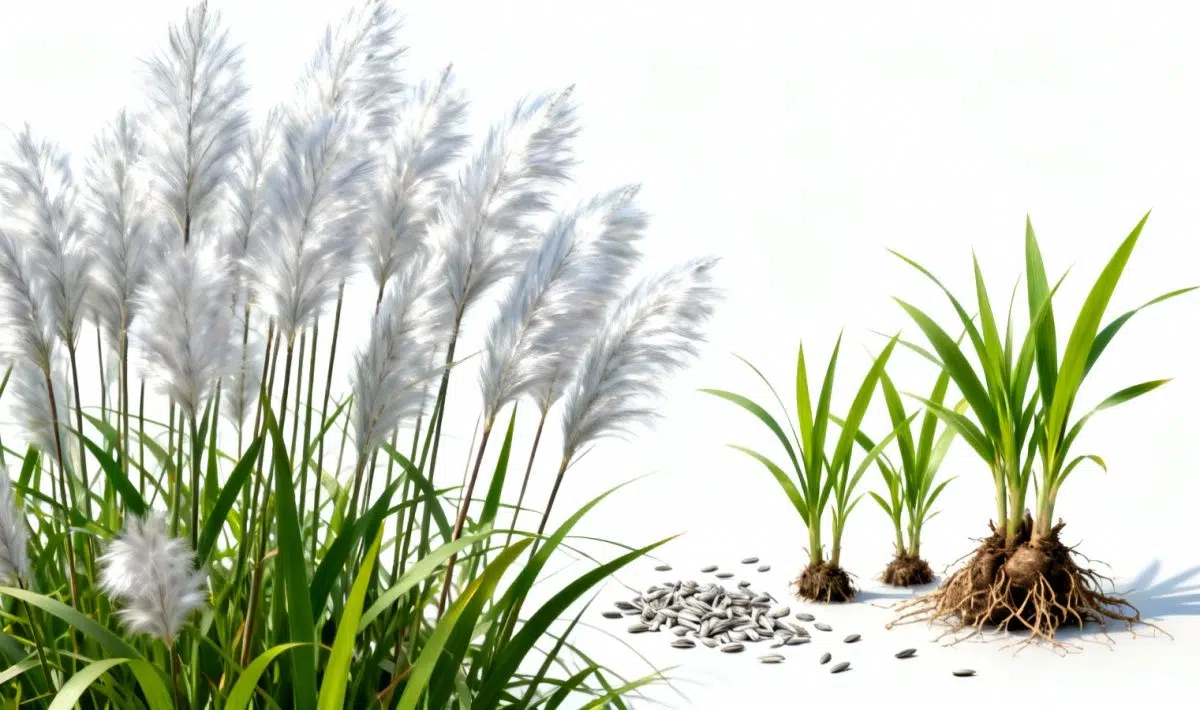
Chinese silver grass seeds and plants: care, characteristics, propagation tips
There’s something truly magical about watching Chinese silver grass sway in the breeze, its feathery plumes catching the light like nature’s own fireworks display. This remarkable ornamental grass, known botanically as Miscanthus sinensis, has won the hearts of gardeners worldwide with its stunning seasonal transformations and incredibly low maintenance requirements.
Chinese silver grass stands out as one of the most versatile ornamental grasses you can grow. Originally from East Asia, this perennial beauty brings a sense of movement and texture to any landscape design. The plant develops impressive clumps that can reach heights of 4 to 8 feet, making it perfect for creating natural screens or dramatic focal points.
What truly sets this plant apart is its seasonal show. During spring and summer, fresh green feuilles emerge in elegant arches. Come autumn, the entire plant transforms into a golden spectacle, with the feuilles turning brilliant shades of yellow and bronze. The real showstoppers are the feathery fleurs that appear in late summer – these silvery plumes dance above the foliage and persist well into winter, providing year-round interest.
Understanding the key characteristics
The beauty of Miscanthus sinensis lies in its architectural presence and seasonal changes. The long, narrow feuilles grow from sturdy tiges that form dense, fountain-like clumps. These tiges are remarkably strong, providing excellent support even in windy conditions without requiring additional protection from staking.
The fleur display begins in late August or September, depending on your climate. These delicate, feathery plumes start with a reddish or purplish tint before maturing to silvery-white. The couleurs are simply breathtaking when backlit by morning or evening sun. Much like the careful attention needed for care and propagation of coleus, understanding these seasonal patterns helps you appreciate the plant’s full potential.
Flower and foliage details
The fleurs of Chinese silver grass are technically called panicles, and they can reach 12 inches or more in length. These feathery displays create movement even in the slightest breeze, adding a dynamic element to your garden design. The feuilles themselves are typically 1/2 to 1 inch wide and can grow up to 3 feet long, creating that classic fountain effect.
Throughout the growing season, you’ll notice how the couleur of both feuilles and fleurs evolves. Spring brings fresh green growth, summer deepens the green tones, autumn introduces warm jaunes and oranges, and winter reveals beautiful tan and beige shades that catch frost beautifully.
Creating the perfect growing conditions
Success with Chinese silver grass starts with understanding its basic needs. This adaptable plante thrives in full sun locations, requiring at least 6 hours of direct sunlight daily for optimal fleur production and autumn couleur development. However, it can tolerate partial shade, though this may result in fewer fleurs and a more open growth habit.
The type of sol you provide significantly impacts the plant’s performance. Chinese silver grass prefers well-draining soil that stays consistently moist but never waterlogged. It adapts to various sol types, from sandy to clay, but performs best in rich, organic matter-enhanced ground. Similar to other ornamental plants like those discussed in tips on garlic mustard care, proper soil preparation is essential for long-term success.
Watering and feeding requirements
Once established, Miscanthus sinensis demonstrates impressive drought tolerance, though regular watering during the first growing season helps develop a strong root system. Mature plants typically need supplemental watering only during extended dry periods. The key is providing consistent moisture without creating soggy conditions that could lead to root problems.
Fertilizing requirements are minimal for this low-maintenance plante. A balanced, slow-release fertilizer applied in early spring provides sufficient nutrition for the entire growing season. Avoid over-fertilizing, as this can lead to weak, floppy growth that requires additional support.
Propagation methods and growing from graines
Chinese silver grass can be propagated through several methods, with division being the most reliable for maintaining specific cultivar characteristics. However, growing from graines offers an economical way to establish large plantings or try new varieties. Each sachet of graines typically contains enough seeds to start multiple plants, making it a cost-effective option for ambitious garden projects.
When starting from graines, timing is crucial for success. Begin the process indoors about 8-10 weeks before your last expected frost date. The graines require consistent moisture and temperatures between 65-70°F for optimal germination. Unlike the specific requirements for cultivation and care of Japanese pieris, Miscanthus seeds are relatively straightforward to handle.
Seed starting process
Fill seed trays with a quality seed-starting mix and lightly press the graines onto the surface – they need light to germinate, so don’t cover them deeply. Maintain consistent moisture using a spray bottle to avoid disturbing the seeds. Expect germination within 14-21 days under proper conditions.
Once seedlings develop their second set of true leaves, you can transplant them into individual pots. This stage requires careful handling, as the young tiges are quite delicate. Gradually acclimate the plants to outdoor conditions over a week before transplanting them to their final locations after all frost danger has passed.
Maintenance and seasonal care
One of the most appealing aspects of Chinese silver grass is its minimal maintenance requirements. The most important task is the annual cutback, which should be done in late winter or early spring before new growth begins. Cut the entire plante back to 6-8 inches from the ground, removing all the previous year’s growth.
This dramatic pruning might seem harsh, but it’s essential for maintaining the plant’s health and appearance. The old feuilles and tiges can harbor pests and diseases if left in place, and removing them makes way for vigorous new growth. Winter protection is rarely necessary for established plants, as most varieties are hardy to at least -20°F.
During the growing season, you might notice some feuilles turning brown at the tips – this is normal and usually indicates natural aging or slight moisture stress. Simply trim off the brown portions with clean scissors to maintain the plant’s décoratif appearance. Just as with guidelines for Dieffenbachia care, regular monitoring helps catch any issues early.
Managing mature plants
As your Chinese silver grass matures, the clumps will gradually expand. Every 3-4 years, you might want to divide large clumps to maintain vigor and prevent the center from dying out. This also provides an excellent opportunity to create new plants for other areas of your garden or to share with fellow gardening enthusiasts.
The nain or dwarf varieties require similar care but on a smaller scale. These compact forms typically reach only 3-4 feet tall, making them perfect for smaller gardens or container growing. They offer the same seasonal interest and low maintenance requirements as their full-sized cousins.
Choosing the right variety for your garden
The world of Miscanthus sinensis offers numerous cultivars, each with unique characteristics regarding size, fleur couleur, and growth habit. Popular varieties include ‘Gracillimus’ with its fine-textured feuilles, ‘Variegatus’ featuring cream-striped foliage, and ‘Morning Light’ known for its silvery appearance.
When placing commandes for graines or plants, consider your garden’s specific conditions and design goals. Taller varieties work well as background plants or privacy screens, while shorter, more compact types suit front-of-border positions or container growing. Each sachet of graines usually indicates the expected mature size and key characteristics to help you make the best choice.
The option to grow from graines gives you the flexibility to experiment with different varieties without a significant investment. However, keep in mind that seed-grown plants may show some variation from the parent plant’s characteristics, adding an element of surprise to your garden design.
Chinese silver grass truly deserves its reputation as one of the finest ornamental grasses available. Its combination of dramatic seasonal interest, low maintenance requirements, and architectural presence makes it an invaluable addition to any garden. Whether you’re starting with graines from a sachet or purchasing established plants, you’re investing in years of reliable beauty that will enhance your landscape through all four seasons.
Allan is a lifelong gardening enthusiast who still gets excited when the first seedlings pop up in spring. With a deep love for nature and a hands-in-the-soil approach, he shares practical tips, plant discoveries, and clever tricks picked up over years of digging, planting, and observing. Whether you’re a new gardener or have a shed full of tools, Allan writes like a neighbor who’s always happy to swap cuttings and stories over the fence.
You can find more about Allan’s work on Malt or connect with him on LinkedIn.