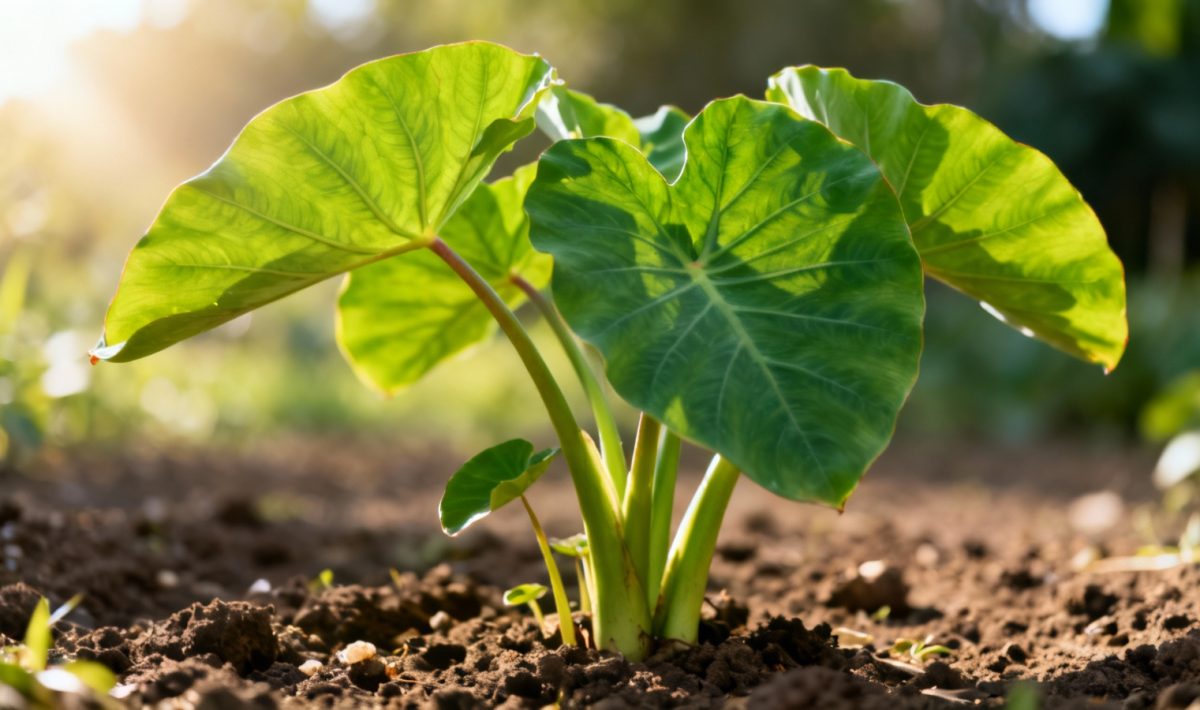
How much sunlight does taro need for optimal growth and healthy plants
Growing taro successfully starts with understanding exactly how much sunlight these tropical beauties need. As someone who’s cultivated these stunning plants for years, I can tell you that getting the lighting right makes all the difference between thriving colocasia and struggling specimens. Most gardeners make the mistake of thinking more sun equals better growth, but with taro plants, it’s actually quite the opposite.
In their native tropical habitats, taro plants grow beneath the forest canopy where they receive filtered, indirect light throughout the day. This natural environment tells us everything we need to know about their lighting requirements. These plants have evolved to thrive in dappled shade rather than harsh direct sunlight, which explains why they’re such excellent choices for those partially shaded spots in your garden.
The leaves of taro plants are remarkably sensitive to intense light exposure. When placed in direct sun, they quickly develop brown, crispy edges and can suffer from severe leaf burn. This damage isn’t just cosmetic – it actually reduces the plant’s ability to photosynthesize effectively, ultimately impacting the development of those prized underground tubers.
Different varieties of taro may have slightly varying light tolerances, but most types perform best with consistent indirect light. The popular varieties you’ll find for purchase, including the striking pink-stemmed cultivars, all share this preference for gentle, filtered illumination rather than intense direct exposure.
Optimal daily light duration and intensity
For healthy growth, taro plants need approximately 6 to 8 hours of bright, indirect light daily. This duration provides enough energy for photosynthesis without overwhelming the delicate leaf structure. Think of it as the sweet spot where your plants get everything they need without the stress that comes from too much intensity.
The ideal setup involves placing your taro where it receives morning light that’s filtered through tree branches or near a window with eastern or northern exposure. This type of lighting mimics the conditions they experience naturally and promotes steady, vigorous growth throughout the growing season.
You’ll know you’ve got the lighting right when new leaves emerge regularly and maintain their vibrant color. Similarly, understanding optimal light conditions is crucial for many plants, as demonstrated by sunlight requirements for Virginia creeper which also benefits from careful light management in urban settings.
During peak summer months, even indirect light can become quite intense. Watch for signs that your plants might need additional protection, such as slight leaf yellowing or reduced growth rates. A simple shade cloth can provide that extra layer of protection during the hottest part of the season.
Choosing quality taro plants for your garden
When you’re ready to purchase taro plants or bulbs, selecting healthy specimens from reputable sellers makes all the difference in your growing success. Look for plants with firm, well-developed root systems and vibrant foliage that shows no signs of stress or disease.
Quality suppliers understand the specific needs of tropical plants and will often provide detailed care instructions with your purchase. They should be able to tell you exactly which variety you’re buying and provide specific guidance about that particular type’s light requirements and growth characteristics.
The best nurseries stock plants that have been properly acclimated to local growing conditions. This means your new taro will transition more easily to your garden environment and establish itself more quickly. Just as different plants have varying needs, optimal sunlight for Arabian coffee demonstrates how understanding specific requirements leads to better growing success.
Before making your purchase, ask about the plant’s current growing conditions and any recent changes in care. This information helps you provide continuity in their environment, reducing transplant shock and ensuring faster establishment in their new home.
Creating the perfect growing environment
Setting up your space for optimal taro cultivation involves more than just managing light levels. These plants thrive in consistently moist, well-draining soil with plenty of organic matter. The combination of proper lighting and soil conditions creates an environment where your plants can reach their full potential.
Consider the mature size of your taro variety when planning placement. Some types can grow quite large, with leaves reaching impressive dimensions that require adequate space to spread. Position them where they’ll have room to grow without crowding other plants or blocking pathways.
Wind protection is another important factor that works hand in hand with proper lighting. These plants prefer calm conditions that complement their filtered light requirements. Strong winds can damage the large leaves and create additional stress that impacts overall plant health.
Many successful growers find that companion planting works well with taro. Other shade-loving plants can create natural windbreaks and help maintain the humid microclimate that these tropical plants appreciate. This approach works similarly to how ideal sunlight for Guernsey fleabane benefits from thoughtful garden positioning.
Monitoring and adjusting light conditions
Regular observation helps you fine-tune the lighting conditions for your taro plants throughout the growing season. Watch for subtle changes in leaf color, growth rate, and overall plant vigor that indicate whether adjustments might be needed.
During spring establishment, newly planted taro might benefit from extra protection as they adapt to their new environment. A temporary shade structure can help ease this transition period while the plants develop their root systems and begin active growth.
As seasons change, the angle and intensity of sunlight shifts, which might require repositioning containers or adjusting shade structures. What works perfectly in spring might provide too much or too little protection during the peak of summer or early fall.
Keep notes about what works best in your specific location and growing conditions. This information becomes invaluable for future plantings and helps you refine your technique over time. Understanding these patterns is beneficial for various species, much like sunlight needs of creeping bellflower requires careful observation for optimal results.
Troubleshooting common light-related problems
Leaf burn represents the most common issue when taro receives too much direct sunlight. You’ll notice brown, crispy edges that start small but can spread across entire leaves if the problem isn’t addressed quickly. Moving the plant to a more protected location usually resolves this issue within a few weeks.
Conversely, insufficient light leads to weak, spindly growth and pale coloration. Plants may also develop longer stems as they stretch toward available light sources. This etiolated growth is often accompanied by reduced leaf size and overall poor vigor.
Yellow leaves can indicate either too much or too little light, making diagnosis challenging. Look at the pattern of yellowing and overall plant appearance to determine the cause. Usually, other symptoms provide clues about whether you need more or less light exposure.
Sometimes relocating plants provides the perfect solution, but other times you might need to create artificial shade or remove obstructions that block necessary light. The key is making gradual adjustments rather than dramatic changes that could shock the plants further. Similar careful management applies to many species, as seen with sunlight preferences for tree of heaven and its specific requirements for healthy development.
Maximizing growth potential through proper care
When lighting conditions are optimized, taro plants reward you with impressive growth and stunning foliage displays. The large, heart-shaped leaves create beautiful tropical accents that transform any garden space into an exotic retreat.
Proper lighting also supports the development of harvestable tubers for those interested in the culinary aspects of growing taro. Well-lit plants put more energy into root development, producing larger, more flavorful crops that make excellent additions to various dishes and cooking applications.
Regular feeding complements good lighting practices, providing the nutrients these fast-growing plants need to maintain their vigorous growth rate. A balanced approach that includes proper light, nutrition, and water management creates the foundation for truly spectacular results.
Remember that patience pays off with taro cultivation. These plants may start slowly but accelerate their growth once established in optimal conditions. The combination of correct lighting and consistent care typically produces noticeable improvements within just a few weeks of proper management.
Allan is a lifelong gardening enthusiast who still gets excited when the first seedlings pop up in spring. With a deep love for nature and a hands-in-the-soil approach, he shares practical tips, plant discoveries, and clever tricks picked up over years of digging, planting, and observing. Whether you’re a new gardener or have a shed full of tools, Allan writes like a neighbor who’s always happy to swap cuttings and stories over the fence.
You can find more about Allan’s work on Malt or connect with him on LinkedIn.