Understanding Guernsey fleabane and its light requirements
When it comes to growing Guernsey fleabane (Erigeron sumatrensis), understanding how much sunlight this hardy plant needs is absolutely essential for success. This remarkable artemisia family member thrives in specific lighting conditions that can make or break your gardening efforts. Whether you’re planning to add this American native to your garden or you’re curious about its growing requirements, getting the light exposure right is your first step toward healthy plant growth.
Guernsey fleabane belongs to the aster family and shares many characteristics with other sun-loving plants. However, its specific needs differ from common garden varieties like anémone or allium. The plant’s natural habitat gives us important clues about what it requires to flourish in our gardens.
What makes Guernsey fleabane unique
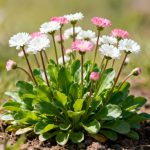
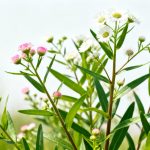
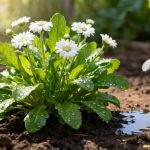
This fascinating plant stands apart from typical garden varieties due to its rapid growth pattern and colonizing nature. Unlike slower-growing species such as agave or arum, Guernsey fleabane can reach impressive heights of 1.5 to 3 feet within just a few months. Its distinctive white daisy-like flowers appear from spring through autumn, making it a valuable addition for extended seasonal interest.
The plant’s scientific classification places it among pioneer species, which explains its robust nature and specific environmental preferences. Understanding this background helps us appreciate why proper lighting is so crucial for optimal development.
Optimal sunlight needs for healthy growth
Guernsey fleabane requires full sun exposure, ideally receiving 6 to 8 hours of direct sunlight daily for optimal performance. This substantial light requirement supports the plant’s rapid growth cycle and abundant flowering. Morning sunlight proves particularly beneficial during summer months, providing the energy needed without excessive afternoon heat stress.
The intensity and duration of light exposure directly impact the plant’s vigor and reproductive success. Unlike shade-tolerant species such as asparagus or alocasia, Guernsey fleabane struggles in low-light conditions. However, it can adapt to partial shade situations where full sun isn’t available throughout the entire day.
Consequences of insufficient light
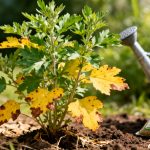
When Guernsey fleabane doesn’t receive adequate sunlight, several problems emerge quickly. The plant develops weak, spindly growth that lacks the robust structure typical of healthy specimens. Flower production decreases significantly, and the characteristic white blooms may appear smaller and less vibrant than normal.
Additionally, insufficient lighting reduces the plant’s natural resistance to pests and diseases. This vulnerability can lead to problems that wouldn’t typically affect well-lit plants, making proper sun exposure a preventive measure as much as a growth requirement.
Understanding how Guernsey fleabane’s requirements compare to similar plants helps gardeners make informed decisions about placement and care. Unlike sunlight requirements for creeping bellflower, which can tolerate more variable conditions, Guernsey fleabane maintains fairly strict preferences for consistent bright light.
The aster family includes numerous species with varying light tolerances. While some members adapt well to partial shade, Guernsey fleabane performs best with maximum sun exposure. This preference aligns it more closely with Mediterranean plants like absinthe or aroma herbs that evolved in bright, open environments.
Differences from other common garden plants
When comparing light requirements across different plant families, interesting patterns emerge. Tree species often have more complex needs, and understanding tree of heaven sunlight needs reveals how structural plants differ from herbaceous varieties like Guernsey fleabane. The fleabane’s annual growth cycle allows for more flexible adaptation within a season.
Bulb plants present another interesting comparison point. For instance, optimal light for giant onion shows how storage organ plants balance light collection with energy conservation. Guernsey fleabane, lacking this storage system, requires more consistent daily light input.
Practical growing tips for optimal results
Successfully growing Guernsey fleabane starts with proper site selection. Choose locations that receive morning through early afternoon sun, avoiding areas shaded by buildings or large trees. South-facing slopes or open garden beds typically provide ideal conditions for this sun-loving plant.
Consider seasonal light changes when planning your garden layout. Areas that seem perfectly sunny in spring may become shaded as deciduous trees leaf out. Unlike evergreen species such as sunlight levels for common yew, deciduous plants create changing light patterns throughout the growing season.
Seasonal considerations
Spring planting allows Guernsey fleabane to establish strong root systems before summer heat intensifies. Early establishment helps plants better utilize available sunlight and develop the robust structure needed for prolific flowering. The plant’s quick growth means you’ll see results within weeks of proper planting.
Summer care focuses on maintaining consistent light exposure while protecting against extreme heat. Unlike tropical species requiring different approaches, such as guava sunlight exposure for growth, temperate plants like Guernsey fleabane benefit from full morning sun combined with good air circulation.
Companion planting strategies
When selecting companion plants, choose species with similar light requirements to create cohesive garden displays. Plants like amaryllis or anthriscus can work well in sunny borders, though their growth patterns and timing may differ significantly from Guernsey fleabane’s rapid development.
Avoid pairing with shade-loving species like aldrovanda or plants requiring protected conditions. However, combining with other sun-lovers such as sweetgum sunlight needs for growth creates opportunities for vertical layering while maintaining proper light access for all plants.
Even experienced gardeners sometimes encounter challenges with Guernsey fleabane cultivation. Poor flowering often indicates insufficient light, while excessive stretching suggests the plant is reaching for better illumination. These visual cues help identify and correct lighting issues before they become serious problems.
Pale foliage or weak stems typically develop when plants receive less than their minimum daily light requirement. Moving affected plants to brighter locations often restores healthy growth within a few weeks, demonstrating the plant’s responsiveness to improved conditions.
Solutions for challenging growing conditions
In situations where ideal light exposure isn’t possible, several strategies can help maximize available sunlight. Reflective mulches increase light reaching lower plant parts, while strategic pruning of nearby vegetation opens up additional sun exposure. These modifications can make marginal sites suitable for successful cultivation.
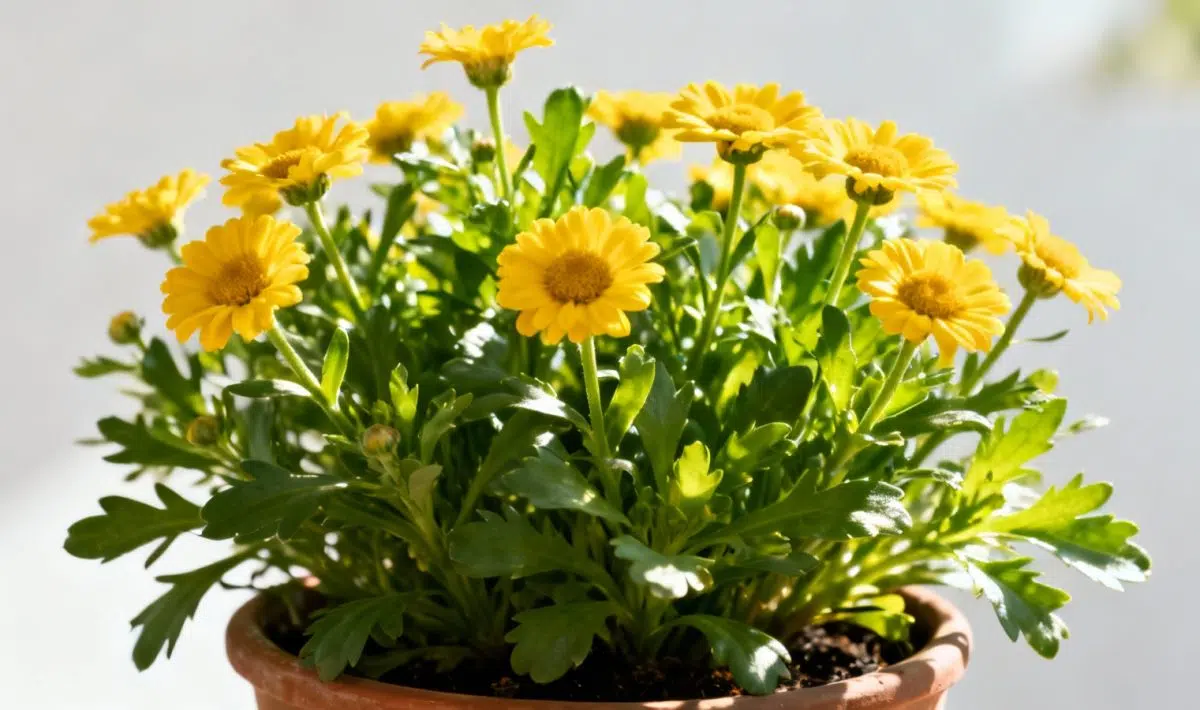
Container growing offers another solution for challenging locations. Portable containers allow you to move plants to follow available sunlight throughout the day or season, ensuring optimal exposure regardless of fixed landscape features that might otherwise create shade problems.
Maximizing your Guernsey fleabane success
Understanding how much sunlight Guernsey fleabane needs sets the foundation for successful cultivation. This hardy plant rewards proper care with abundant flowers and vigorous growth throughout the growing season. Remember that consistent daily exposure to 6-8 hours of direct sunlight provides the energy needed for optimal performance.
By choosing appropriate planting locations, monitoring seasonal light changes, and addressing problems promptly, gardeners can enjoy the unique beauty this remarkable plant brings to their outdoor spaces. Whether you’re growing it for its ecological benefits or simply appreciating its distinctive flowers, proper sunlight management ensures your Guernsey fleabane will thrive for years to come.

Allan is a lifelong gardening enthusiast who still gets excited when the first seedlings pop up in spring. With a deep love for nature and a hands-in-the-soil approach, he shares practical tips, plant discoveries, and clever tricks picked up over years of digging, planting, and observing. Whether you’re a new gardener or have a shed full of tools, Allan writes like a neighbor who’s always happy to swap cuttings and stories over the fence.
You can find more about Allan’s work on Malt or connect with him on LinkedIn.