Guernsey fleabane – Erigeron sumatrensis: care, characteristics, culture and propagation
Guernsey fleabane, scientifically known as Erigeron sumatrensis, stands out as a remarkable herbaceous plant that has captured the attention of gardeners worldwide. This drought-tolerant species brings both ecological value and easy maintenance to any garden setting. With over 1,000 enthusiasts already cultivating this fascinating member of the Asteraceae family, it’s clear that this plant offers something special for both novice and experienced gardeners alike.
This hardy annual reaches a mature height of 30-60 centimeters and produces delicate flowers from late spring through early autumn. The plant exhibits a natural affinity for sunny, well-drained locations, making it perfect for rock gardens, borders, and naturalized areas. Its robust nature allows it to thrive in challenging conditions where other plants might struggle, including poor soils and exposed sites.
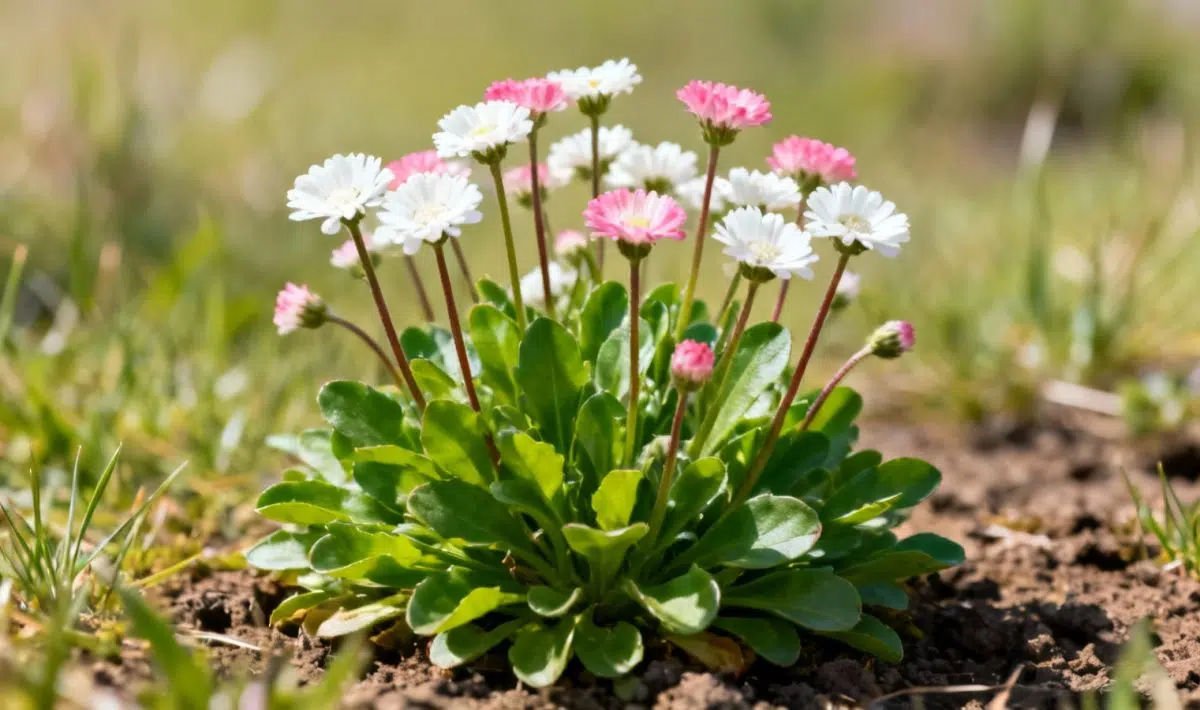
The leaves of Erigeron sumatrensis display a distinctive appearance that helps with identification. These narrow, lance-shaped foliage pieces create an attractive backdrop for the small but numerous flower heads that emerge throughout the growing season. Each bloom attracts beneficial insects, contributing significantly to local biodiversity.
Optimal growing conditions for successful culture
Creating the right environment for your Guernsey fleabane ensures healthy growth and abundant flowering. This adaptable plant prefers full sun exposure, though it tolerates partial shade in hotter climates. The key to success lies in providing excellent drainage, as waterlogged conditions can quickly lead to root problems.
Soil requirements remain refreshingly simple for this resilient species. Average garden soil works perfectly, and the plant actually performs better in slightly poor conditions rather than overly rich environments. A pH range between 6.0 and 7.5 provides optimal growing conditions, though the plant adapts to various soil types including sandy, loamy, and even rocky substrates.
Temperature tolerance makes this species suitable for various climate zones. While it prefers warm conditions during the growing season, it can withstand light frosts and adapts well to different regional weather patterns. Just as caring for Japanese pieris plants requires attention to specific conditions, Erigeron sumatrensis benefits from understanding its preferred environment.
Essential care and maintenance practices
Watering requirements for Guernsey fleabane follow a less-is-more approach. Once established, these plants demonstrate excellent drought tolerance and rarely need supplemental irrigation. During the first growing season, provide moderate moisture to help roots develop, then reduce watering frequency as the plant matures.
Fertilization needs remain minimal for this low-maintenance species. Over-fertilizing can actually reduce flowering and create weak, leggy growth. A light application of balanced fertilizer in early spring provides sufficient nutrition for the entire growing season. Organic matter additions through compost work better than synthetic fertilizers for long-term soil health.
Deadheading spent flowers encourages continued blooming throughout the season. This simple maintenance task takes just minutes but significantly extends the flowering period. Allow some flowers to go to seed if you want natural self-seeding in your garden, as this plant readily establishes new populations when conditions are favorable.
Effective propagation and multiplication methods
Seed propagation offers the most reliable method for multiplying Guernsey fleabane. Collect mature seeds in late summer or early autumn when flower heads have dried and turned fluffy white. Store seeds in a cool, dry place over winter for spring sowing, or direct sow in autumn for natural stratification.
Starting seeds indoors provides better control over germination conditions. Sow seeds on the surface of sterile potting mix, as they need light to germinate. Maintain consistent moisture and temperatures around 65-70°F for optimal germination rates. Seedlings typically emerge within 10-14 days under proper conditions.
Division works well for mature clumps, though this method requires more effort than seed propagation. Divide plants in early spring before active growth begins, ensuring each section has adequate roots and growing points. This technique works similarly to guidelines for Dieffenbachia seguine care where timing proves crucial for success.
Companion planting and ecological interactions
Guernsey fleabane creates excellent partnerships with other drought-tolerant plants in naturalized gardens. Native grasses, sedums, and other members of the Asteraceae family complement its growth habits and flowering periods. These combinations create diverse habitats that support various beneficial insects throughout the growing season.
The ecological value of this species extends beyond simple ornamental use. Bees, butterflies, and other pollinators frequently visit the small but numerous flowers, making it an excellent choice for wildlife gardens. Some specialist insects depend entirely on Erigeron species for their life cycles, highlighting the importance of including native and naturalized plants in landscape designs.
When planning companion plantings, consider plants with similar water and soil requirements. Mediterranean herbs, ornamental grasses, and other low-maintenance perennials work particularly well. This approach mirrors successful strategies used with tips for caring for garlic mustard where understanding plant relationships improves overall garden health.
Seasonal maintenance and long-term management
Spring maintenance involves removing any winter damage and preparing the planting area for new growth. Clear away debris and add a light layer of compost around established plants. This is also the ideal time for dividing mature clumps or transplanting seedlings to new locations.
Summer care focuses on monitoring for any pest issues, though Guernsey fleabane rarely experiences serious problems. Occasional aphid infestations may occur during hot, dry periods, but these typically resolve naturally without intervention. Maintaining good air circulation around plants helps prevent most potential issues.
Autumn preparation includes seed collection if desired and cutting back spent foliage after the first frost. Leave some seed heads standing to provide food for birds and to ensure natural reseeding for next year’s display. This seasonal approach shares similarities with essential care for common persimmon where timing seasonal tasks properly ensures plant health.
Maximizing garden benefits and biodiversity
Integrating Guernsey fleabane into your garden design creates opportunities for supporting local ecosystems while maintaining an attractive landscape. This plant works exceptionally well in informal settings where its natural growth patterns can be appreciated. Mass plantings create stunning displays during peak flowering periods.
The self-seeding nature of this species allows for gradual expansion of planted areas without additional effort from the gardener. This characteristic makes it perfect for naturalized gardens, meadow plantings, and areas where low-maintenance vegetation is desired. Over time, these plantings develop into stable, self-sustaining communities that require minimal intervention.
Understanding the full potential of Erigeron sumatrensis helps gardeners appreciate its value beyond simple ornamental use. Its contributions to biodiversity, ease of care, and adaptability to various growing conditions make it an excellent choice for sustainable gardening practices. Whether grown as a single specimen or part of a larger naturalized planting, this remarkable species continues to demonstrate why it has earned such popularity among plant enthusiasts worldwide.
Allan is a lifelong gardening enthusiast who still gets excited when the first seedlings pop up in spring. With a deep love for nature and a hands-in-the-soil approach, he shares practical tips, plant discoveries, and clever tricks picked up over years of digging, planting, and observing. Whether you’re a new gardener or have a shed full of tools, Allan writes like a neighbor who’s always happy to swap cuttings and stories over the fence.
You can find more about Allan’s work on Malt or connect with him on LinkedIn.