The common nipplewort (Lapsana communis) stands as one of North America’s most adaptable herbaceous plants, captivating gardeners and botanists alike with its remarkable resilience. This annual species from the Asteraceae family has quietly established itself across diverse Canadian landscapes, from the Atlantic provinces to British Columbia. Originally native to Europe, this fascinating plant offers both ornamental appeal and practical applications that make it worthy of consideration for modern cultivation.
Understanding common nipplewort characteristics
Common nipplewort presents distinctive morphological features that set it apart from other garden species. The plant typically reaches heights between 20 to 150 centimeters, developing a sturdy, often hollow stem that branches gracefully from the base. Its alternate leaves showcase an elegant oval to circular shape, measuring 1 to 15 centimeters in length, with characteristic dentate margins that catch the morning dew beautifully.
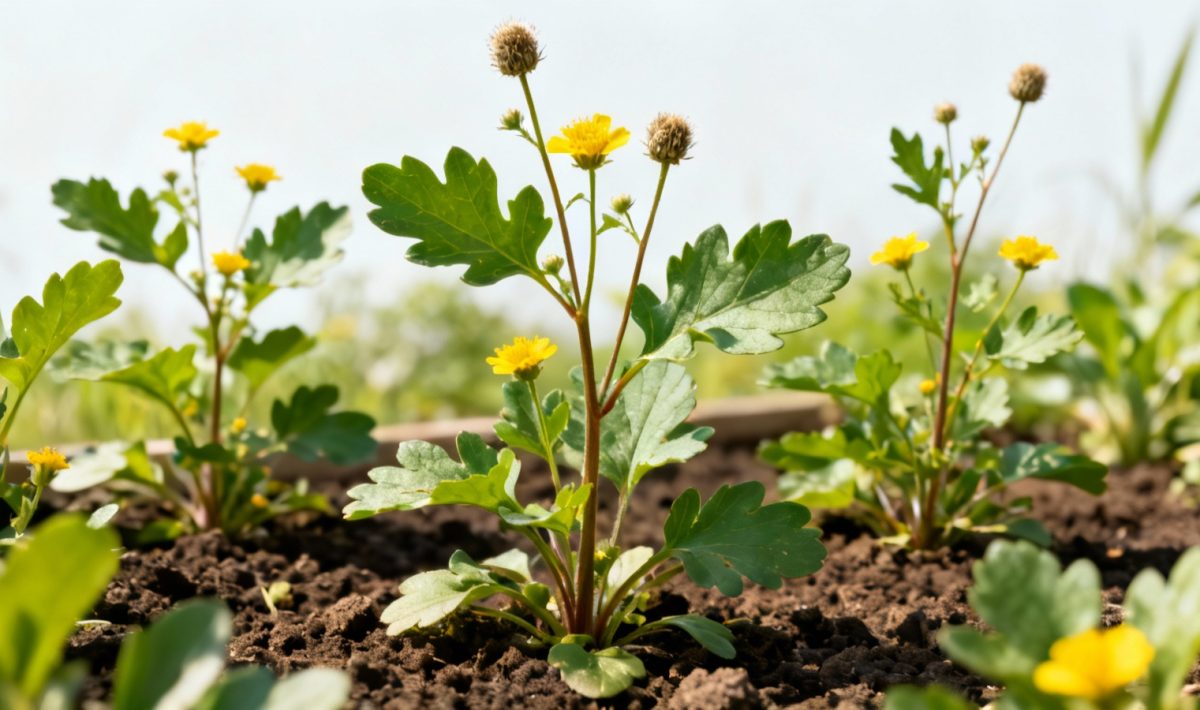
The botanical identification becomes clearer when examining the flower structure. Each plant produces 5 to 25 yellow capitule heads, with individual florets featuring 8 to 15 ligules measuring approximately 7 to 10 millimeters. These cheerful yellow blooms attract various pollinators, including bees, flies, and lepidoptera, creating a vibrant ecosystem in your garden space.
What truly distinguishes this species is its seed production capacity. A mature plant can generate between 400 to 800 seeds, each measuring 3 to 5 millimeters in length. Unlike many Asteraceae family members, common nipplewort seeds lack a pappus, making them heavier and less prone to wind dispersal than their relatives.
Optimal growing conditions for successful culture
Creating the perfect environment for common nipplewort requires understanding its natural habitat preferences. This adaptable species thrives in partially shaded locations with consistent moisture levels, making it an excellent choice for woodland gardens or areas beneath deciduous trees. The plant demonstrates remarkable tolerance for various soil types, though it shows particular affinity for clay and loam compositions.
Soil preparation plays a crucial role in successful cultivation. The ideal growing medium should maintain good drainage while retaining adequate moisture throughout the growing season. A pH range between 6.0 and 7.5 provides optimal conditions, though the plant tolerates slightly acidic to neutral soils without significant stress. Much like when learning how to care for yarrow, understanding soil requirements proves essential for success.
Light requirements remain flexible, with the plant performing well in partial shade to full sun conditions. However, in regions with intense summer heat, providing some afternoon shade helps prevent leaf scorching and maintains the plant’s attractive appearance throughout the growing season.
Watering and moisture management
Consistent moisture proves essential for healthy growth, particularly during the establishment phase. Young plants require regular watering until their root systems develop sufficiently to access deeper soil moisture. Mature plants show good drought tolerance but perform best with weekly watering during dry periods.
Mulching around the base helps retain soil moisture and suppresses competing weeds. Organic mulches like shredded bark or compost provide additional benefits by slowly decomposing and enriching the soil structure over time.
Effective propagation methods and techniques
Propagating common nipplewort primarily relies on seed collection and sowing, though the process requires attention to timing and environmental conditions. Seeds germinate most successfully when exposed to light, making surface sowing the preferred method. The optimal sowing period extends from early autumn through late spring, depending on your regional climate patterns.
Seed collection should occur when the flower heads begin to dry and turn brown, typically 6 to 8 weeks after flowering. Harvesting at this stage ensures maximum viability while preventing unwanted self-seeding throughout your garden. Store collected seeds in cool, dry conditions for spring planting or immediate autumn sowing.
Similar to techniques used when growing common comfrey successfully, proper timing and environmental awareness significantly impact propagation success rates.
Seedling care and establishment
Newly germinated seedlings require consistent moisture and protection from intense sunlight during their first month of growth. Thin overcrowded seedlings to allow adequate space for development, maintaining approximately 15 to 20 centimeters between individual plants.
Young plants benefit from light fertilization using a balanced, water-soluble fertilizer applied every two weeks during the active growing period. This approach promotes healthy leaf development and strong stem formation without encouraging excessive vegetative growth.
Maintenance and ongoing care requirements
Common nipplewort proves remarkably low-maintenance once established, requiring minimal intervention throughout the growing season. Regular deadheading encourages continued flowering while preventing unwanted self-seeding in areas where plant spread might become problematic.
Pest issues rarely affect this hardy species, though occasional aphid infestations may occur during particularly humid conditions. Natural predators typically control these problems without requiring chemical intervention. The plant’s natural resistance makes it an excellent choice for organic gardening practices.
For gardeners exploring diverse cultivation options, understanding different plant care approaches proves valuable. Just as care for common coleus plants requires specific attention to foliage, nipplewort cultivation focuses on supporting its unique flowering characteristics.
Seasonal maintenance tasks
Spring maintenance involves removing any winter debris and applying a light compost layer around established plants. This organic matter provides gentle nutrition while improving soil structure for the upcoming growing season.
Autumn care includes seed collection if propagation is desired, followed by cutting back spent stems to ground level. The plant’s annual nature means complete removal of above-ground growth, allowing for fresh emergence the following spring from either saved seeds or natural self-seeding.
Companion planting and garden integration
Common nipplewort integrates beautifully into mixed herbaceous borders, providing textural contrast with its distinctive foliage and bright yellow blooms. The plant pairs exceptionally well with other shade-tolerant species that share similar moisture requirements and growth habits.
Consider combining nipplewort with native wildflowers to create naturalized areas that support local wildlife populations. Its pollinator-friendly flowers complement other native species while providing season-long interest in woodland or cottage garden settings.
When planning companion plantings, gardeners might also explore characteristics of the common persimmon for larger landscape features, or investigate tips for garlic mustard cultivation for additional ground cover options.
Wildlife value and ecological benefits
The ecological contributions of common nipplewort extend beyond its ornamental appeal. Native pollinators rely on its nectar sources during critical periods of the growing season, while birds appreciate the abundant seed production for winter food supplies.
This species demonstrates minimal invasive potential in most North American regions, making it a responsible choice for gardeners concerned about introducing problematic plants to local ecosystems. Its controlled spreading habit allows for naturalized plantings without overwhelming native flora.
Understanding common nipplewort’s cultivation requirements opens opportunities for successful garden integration while supporting local biodiversity. Whether grown for its cheerful flowers, wildlife value, or historical significance, this adaptable species rewards gardeners with reliable performance and minimal maintenance demands throughout the growing season.

Allan is a lifelong gardening enthusiast who still gets excited when the first seedlings pop up in spring. With a deep love for nature and a hands-in-the-soil approach, he shares practical tips, plant discoveries, and clever tricks picked up over years of digging, planting, and observing. Whether you’re a new gardener or have a shed full of tools, Allan writes like a neighbor who’s always happy to swap cuttings and stories over the fence.
You can find more about Allan’s work on Malt or connect with him on LinkedIn.