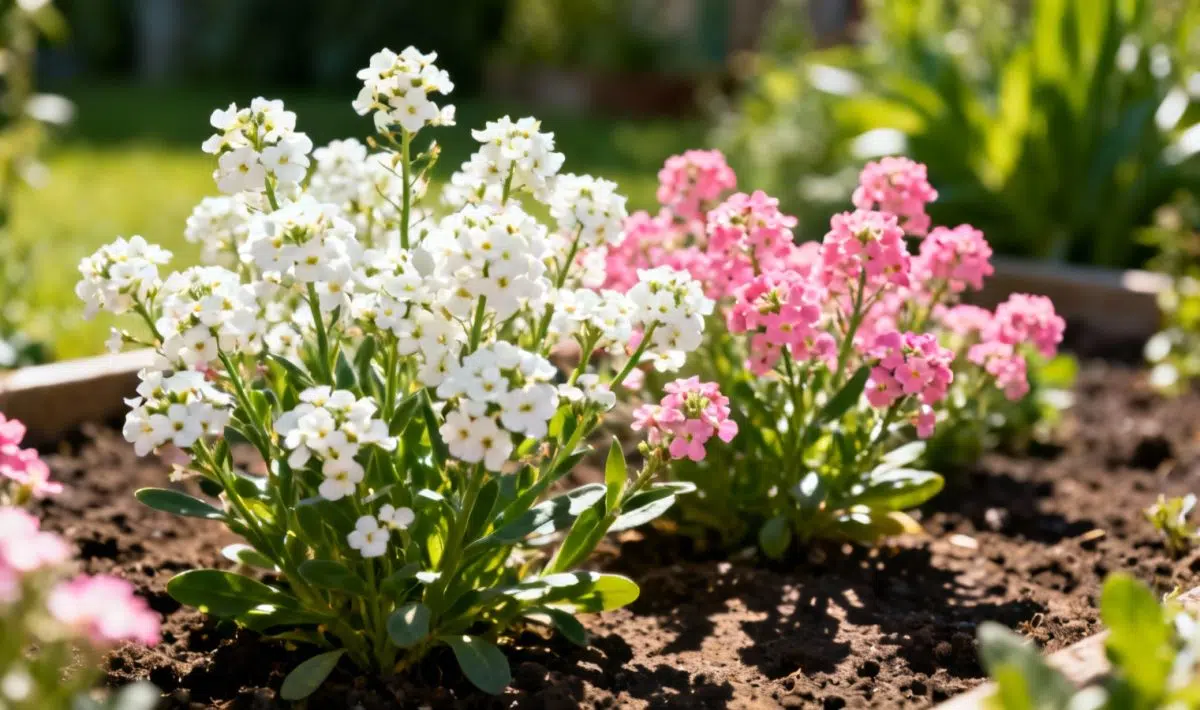
Sweet alyssum stands out as one of the most charming annual flowers you can grow in your garden, with its honey-scented blooms creating carpets of delicate beauty. However, understanding exactly how much sunlight does sweet alyssum need becomes crucial for achieving those picture-perfect displays that gardeners dream about. This compact flower thrives with the right balance of light exposure, making it essential to get the conditions just right from the start.
When you plant sweet alyssum seeds, you’re investing in a flower that rewards proper care with months of continuous blooms. The key lies in providing adequate sunlight while protecting the plants from extreme conditions that can stress their delicate nature.
Optimal sun exposure for sweet alyssum success
Sweet alyssum performs best with at least six hours of direct sunlight daily, though it can tolerate partial shade conditions. In cooler climates, full sun exposure throughout the day encourages vigorous growth and abundant flowering. The plants develop stronger stems and produce more flower clusters when they receive consistent morning sunlight.
However, in regions with intense summer heat, providing afternoon shade can actually benefit your sweet alyssum plants. Just like understanding sunlight needs of strawberries helps with fruit production, knowing when to shield your flowers from harsh rays prevents stress and extends the blooming period.
The ideal setup involves morning sun with dappled afternoon shade, especially when temperatures consistently exceed 80°F. This combination allows the plants to photosynthesize effectively while avoiding the wilting that can occur during peak heat hours.
Signs your sweet alyssum needs more light
Plants grown in insufficient light display telltale signs that are easy to recognize. Leggy growth with sparse flowering indicates your sweet alyssum isn’t receiving enough sunlight. The flowers may appear pale or fail to develop their characteristic fragrance when light levels are too low.
Additionally, plants in deep shade often stretch toward available light sources, creating an uneven, sparse appearance rather than the dense, mounded habit that makes sweet alyssum so appealing in garden beds and containers.
Choosing the right seeds for your garden conditions
When shopping for sweet alyssum seeds online, you’ll find various cultivars designed for different growing conditions. Fast-growing varieties like ‘Snow Princess’ and ‘Clear Crystal’ perform exceptionally well in full sun locations, while heat-tolerant selections work better where intense sunlight is unavoidable.
Reading product evaluations becomes crucial when selecting seeds for your specific garden situation. Many gardeners share their experiences with how different varieties performed under varying light conditions, giving you valuable insights before making your purchase. Look for reviews that mention specific growing conditions and flowering performance to guide your selection.
Quality seeds from reputable suppliers often come with detailed growing instructions that specify optimal light requirements. When you order online, check that shipping methods protect the seeds from extreme temperatures that could affect viability.
Planting techniques for maximum sun utilization
Sweet alyssum seeds are incredibly small and require careful handling during planting. Scatter them on the soil surface without covering, as they need light for germination. This requirement makes it essential to choose locations where gentle morning sunlight can reach the seedbed without being blocked by taller plants.
Space your plantings to allow air circulation while ensuring each plant receives adequate light exposure. Dense plantings in shaded areas often lead to fungal problems, while well-spaced plants in good light conditions remain healthy throughout the growing season.
Companion planting and garden design considerations
Sweet alyssum works beautifully as an edging plant along sunny borders, where it can receive consistent light while providing a fragrant carpet beneath taller flowers. The low-growing habit makes it perfect for the front of garden beds where nothing blocks its access to morning sunlight.
Consider pairing sweet alyssum with plants that have similar light requirements but different heights and textures. For instance, understanding giant onion sunlight guidelines can help you create interesting combinations where both plants thrive in full sun conditions.
In container gardens, position sweet alyssum where it can trail over the edges while still receiving adequate light. Hanging baskets placed in bright locations showcase the plant’s cascading habit beautifully, especially when the containers receive morning sun and some afternoon protection.
Seasonal adjustments and care
As seasons change, you may need to adjust your sweet alyssum’s growing conditions. Spring plantings often benefit from full sun exposure, while summer sowings might require more shade protection. The plants naturally slow their flowering during the hottest weeks but resume vigorous blooming when temperatures moderate.
In areas with mild winters, sweet alyssum can continue blooming with adequate light exposure. However, plants grown in too much shade during cooler months often become weak and susceptible to moisture-related problems.
Advanced growing tips for exceptional results
Professional growers often recommend providing morning sun with protection during the hottest part of the day for optimal sweet alyssum performance. This approach mimics the plant’s native Mediterranean habitat, where bright light combines with cooling influences.
Just as gardeners learn about sunlight requirements for sweet mock-orange to achieve beautiful blooms, understanding sweet alyssum’s preferences helps create stunning displays. The key lies in observing your plants and adjusting conditions based on their response to your garden’s unique microclimate.
Regular deadheading encourages continued flowering, especially when plants receive good light exposure. Well-lit plants produce flowers more readily and recover quickly from grooming, maintaining their attractive appearance throughout the growing season.
Troubleshooting common light-related problems
If your sweet alyssum stops flowering in midsummer, inadequate light combined with heat stress might be the cause. Moving containers to locations with better light distribution or providing temporary shade cloth during extreme heat waves can revive struggling plants.
Plants that develop yellow foliage despite adequate water often suffer from insufficient light rather than nutrient problems. Relocating these plants to brighter spots typically restores their green color and vigor within a few weeks.
Creating sustainable growing practices
Understanding light requirements helps you position sweet alyssum for long-term success with minimal intervention. Plants grown in appropriate light conditions require less water, fertilizer, and pest management than those struggling in suboptimal locations.
Consider the mature size of nearby plants when positioning sweet alyssum, as growing trees and shrubs will gradually change light patterns in your garden. Planning for these changes ensures your flower beds remain productive year after year.
Much like knowing optimal sunlight for tree of heaven helps with landscape planning, understanding sweet alyssum’s needs contributes to overall garden success. The right placement from the start saves time and effort later.
Maximizing bloom production
Sweet alyssum plants that receive optimal sunlight produce significantly more flowers than those grown in marginal conditions. The difference becomes particularly noticeable during peak growing season when well-positioned plants create dense mats of blooms while shaded plants remain sparse.
Regular observation helps you identify the best spots in your garden for future plantings. Areas where sweet alyssum thrives year after year typically offer the ideal balance of light, drainage, and air circulation that these charming flowers require.
For gardeners interested in expanding their knowledge of plant light requirements, exploring common yew sunlight needs provides insights into how different plants adapt to varying light conditions in garden settings.
Conclusion: ensuring sweet alyssum success
Sweet alyssum rewards gardeners who provide the right balance of sunlight with months of fragrant, colorful blooms. By understanding that these plants need at least six hours of direct sunlight daily, with some protection from intense afternoon heat, you can create the conditions for exceptional garden displays.
Whether you’re growing sweet alyssum from seeds purchased online or starting with transplants, proper light exposure remains the foundation of successful cultivation. The investment in quality seeds and careful attention to placement pays dividends in the form of healthy, floriferous plants that enhance any garden space with their delicate beauty and sweet fragrance.
Allan is a lifelong gardening enthusiast who still gets excited when the first seedlings pop up in spring. With a deep love for nature and a hands-in-the-soil approach, he shares practical tips, plant discoveries, and clever tricks picked up over years of digging, planting, and observing. Whether you’re a new gardener or have a shed full of tools, Allan writes like a neighbor who’s always happy to swap cuttings and stories over the fence.
You can find more about Allan’s work on Malt or connect with him on LinkedIn.