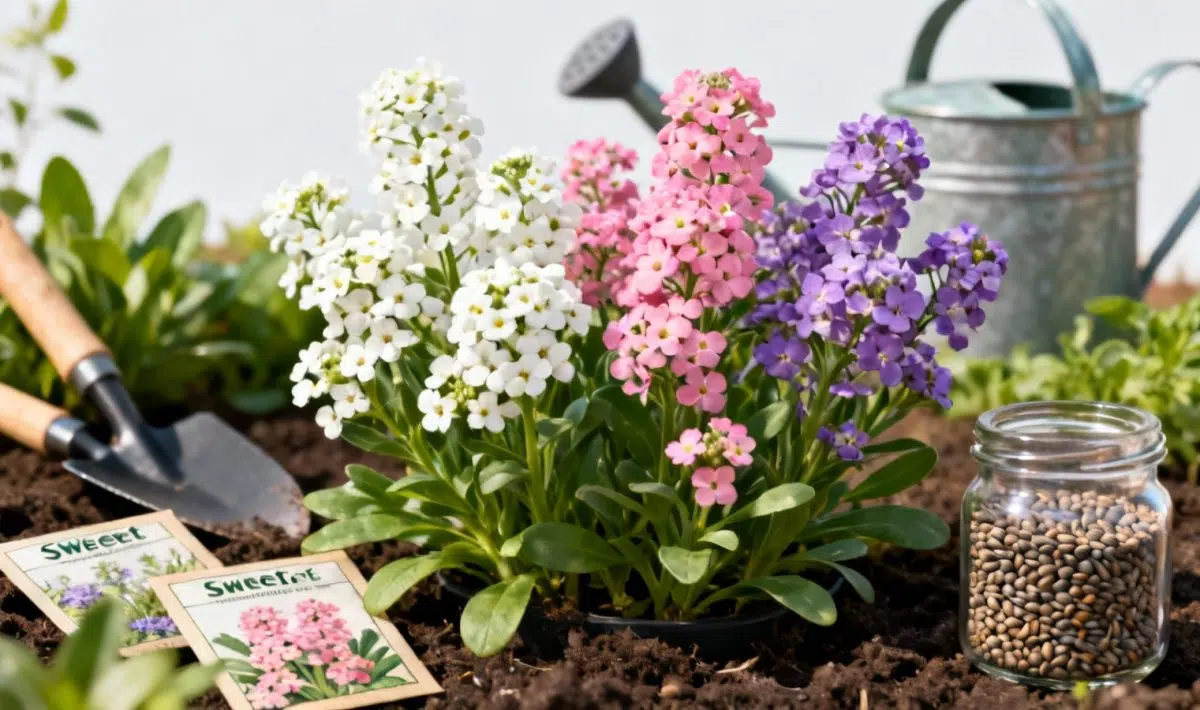
Sweet alyssum – Lobularia maritima: varieties, care, culture and seed quality
Sweet alyssum, scientifically known as Lobularia maritima, stands out as one of gardening’s most delightful treasures. This charming annual plant brings a carpet of fragrant flowers to any garden space, creating a stunning visual display while attracting beneficial pollinators. Originally from Mediterranean coastal regions, this versatile plant has captured the hearts of gardeners worldwide with its honey-scented blooms and reliable performance.
The botanical classification of Lobularia maritima places it in the mustard family, where it thrives as a compact, prostrate annual. These plants typically reach heights of 3-10 inches while spreading 5-12 inches wide, forming dense mats of tiny four-petaled flowers. The species produces an abundance of blooms from spring through fall, with peak flowering occurring from April to June in most climates.
Color variations in sweet alyssum offer gardeners exciting options for their planting schemes. Traditional white varieties remain the most popular choice, but modern cultivars include beautiful shades of rose, purple, and lavender. The ‘Snow Carpet’ variety creates pristine white coverage, while ‘Royal Carpet’ provides rich purple tones that complement other garden plants magnificently.
What truly sets this plant apart is its incredible fragrance. The honey-sweet scent becomes most pronounced during evening hours, making alyssum perfect for patios and walkways where you can appreciate its olfactory qualities. This aromatic quality also serves a practical purpose, as it attracts bees, butterflies, and beneficial insects that help maintain garden ecosystem balance.
Optimal growing conditions for lobularia maritima
Creating the ideal environment for sweet alyssum ensures robust growth and continuous flowering throughout the growing season. These adaptable plants perform best in full sun locations, though they appreciate some afternoon shade in extremely hot climates. The key lies in understanding their Mediterranean origins and providing similar conditions in your garden setting.
Soil requirements for successful alyssum culture focus on drainage rather than fertility. Well-draining, moderately fertile soil with neutral to slightly acidic pH produces the healthiest plants. Heavy clay soils should be amended with compost or sand to improve drainage, while sandy soils benefit from organic matter additions to retain moisture. Much like other Mediterranean plants such as those requiring care and characteristics of oleander, sweet alyssum adapts well to various soil types when drainage is adequate.
Temperature considerations play a crucial role in timing your alyssum cultivation. These cool-season annuals prefer temperatures between 60-75°F for optimal growth. In warmer regions, they may struggle during peak summer heat but often experience a revival during cooler fall months. Gardeners in hot climates can extend the growing season by providing morning sun and afternoon shade protection.
Watering and maintenance requirements
Consistent moisture management keeps sweet alyssum plants healthy and flowering prolifically. While established plants tolerate some drought, regular watering during dry periods maintains the best flower production. Deep, infrequent watering encourages strong root development and reduces susceptibility to fungal issues that can affect crowded plantings.
Deadheading spent flowers promotes continuous blooming and prevents excessive self-seeding in formal garden areas. However, many gardeners allow some seed production to encourage natural reseeding for the following year. This approach creates a more naturalized look while reducing replanting efforts in subsequent seasons.
Propagation methods and seed selection
Growing sweet alyssum from seed offers the most economical and diverse approach to establishing these plants in your garden. Quality seeds from reputable suppliers ensure high germination rates and true-to-type characteristics. When selecting seeds, consider factors such as flower color, plant height, and bloom timing to match your specific garden needs and design preferences.
Direct seeding works exceptionally well for alyssum, as these plants often perform better when grown in their permanent location rather than being transplanted. Sow seeds in early spring after the last frost date, or in fall for spring germination in milder climates. The tiny seeds should be barely covered with soil, as they require light for optimal germination.
Indoor seed starting provides greater control over growing conditions and extends the growing season in colder regions. Start seeds 6-8 weeks before the last expected frost, maintaining temperatures around 65-70°F for best results. Similar attention to detail in propagation applies to other garden favorites, such as those requiring tips for caring for Philodendron Birkin for indoor cultivation success.
Transplanting and establishment
Young alyssum plants transplant easily when handled gently during the seedling stage. Space plants 6-8 inches apart to allow for their spreading habit while ensuring good air circulation. In container gardens, multiple plants can be grouped more closely to create immediate impact and fuller coverage.
Hardening off seedlings gradually prepares them for outdoor conditions and reduces transplant shock. This process involves exposing indoor-grown plants to outdoor conditions for increasing periods over 7-10 days before final planting. Proper establishment techniques ensure strong plant development and extended flowering periods.
Garden design and companion planting
Sweet alyssum excels in various garden applications, from formal borders to naturalized wildflower meadows. Its low-growing habit makes it perfect for edging pathways, filling gaps between stepping stones, or cascading from containers and hanging baskets. The plant’s neutral colors complement virtually any color scheme while providing textural contrast to larger flowering plants.
Companion planting with alyssum benefits both the plant and surrounding garden inhabitants. Its flowers attract beneficial insects that help control garden pests naturally, making it valuable in organic gardening systems. Plant it near vegetables or other flowers to create a more balanced ecosystem that supports plant health and productivity.
Rock gardens and coastal landscapes particularly suit sweet alyssum’s growing requirements. Its tolerance for salt spray and sandy soils makes it ideal for seaside gardens where many other plants struggle. The plant’s Mediterranean heritage shows in its ability to thrive in these challenging conditions while providing reliable color and fragrance.
Container cultivation options
Growing alyssum in containers offers flexibility for gardeners with limited space or challenging soil conditions. Choose containers with adequate drainage holes and use well-draining potting mix to prevent waterlogged conditions. Regular feeding with balanced liquid fertilizer supports continued flowering throughout the growing season.
Mixed container plantings benefit from alyssum’s trailing habit and neutral colors. Combine it with upright annuals or perennials to create layered compositions that provide interest from multiple viewing angles. The plant’s compact size makes it suitable for small pots as well as larger mixed plantings.
Seasonal care and maintenance
Spring preparation for sweet alyssum begins with soil preparation and timing considerations. In areas with mild winters, existing plants may self-seed and require thinning to prevent overcrowding. New plantings benefit from soil amendment with compost to improve texture and provide gentle nutrition for developing roots.
Summer care focuses on maintaining adequate moisture and providing protection during extreme heat periods. In regions with hot summers, afternoon shade can help plants continue flowering when they might otherwise go dormant. Regular monitoring for pest issues and prompt treatment maintains plant health during stress periods.
Fall activities may include collecting seeds for next year’s plantings or allowing natural self-seeding to occur. In mild climates, fall-planted alyssum often provides winter and early spring color when few other annuals are blooming. This extended growing season makes the plant particularly valuable in Mediterranean and subtropical gardens.
Pest and disease management
Sweet alyssum generally experiences few serious pest or disease problems when grown in appropriate conditions. Aphids occasionally appear on young growth but are usually controlled by beneficial insects attracted to the flowers. Proper spacing and good air circulation prevent most fungal issues that might affect dense plantings.
Preventive measures work better than reactive treatments for maintaining healthy alyssum plants. Avoiding overhead watering, providing adequate spacing, and removing spent flowers regularly help prevent common problems. When issues do arise, gentle organic treatments usually provide effective control without harming beneficial insects.
Selecting quality plants and seeds
Choosing high-quality seeds and plants ensures successful alyssum cultivation and maximum garden enjoyment. Reputable suppliers offer tested varieties with reliable germination rates and true-to-type characteristics. Consider factors such as bloom time, plant size, and color when selecting specific cultivars for your garden needs.
Price comparisons among different suppliers help identify the best value for quality seeds and plants. While premium varieties may cost more initially, their superior performance and reliability often justify the investment. Reading reviews and recommendations from other gardeners provides valuable insights into variety performance and supplier reliability.
Local garden centers often carry varieties selected for regional growing conditions, making them excellent sources for plants adapted to your specific climate. However, specialty seed catalogs offer wider variety selections and often provide detailed growing information that helps ensure success with less common cultivars.
When purchasing plants, look for compact, healthy specimens with good root development and minimal stress signs. Avoid plants that appear wilted, yellowed, or rootbound, as these conditions can affect establishment and subsequent performance. Quality plants from reliable sources provide the foundation for beautiful, long-lasting garden displays.
Sweet alyssum continues to earn its place in gardens worldwide through reliable performance, delightful fragrance, and versatile growing characteristics. Whether you choose it for border plantings, container gardens, or naturalized areas, this charming annual provides season-long beauty with minimal maintenance requirements. Its ability to attract beneficial insects while requiring little care makes it an excellent choice for both novice and experienced gardeners seeking dependable flowering plants.
Allan is a lifelong gardening enthusiast who still gets excited when the first seedlings pop up in spring. With a deep love for nature and a hands-in-the-soil approach, he shares practical tips, plant discoveries, and clever tricks picked up over years of digging, planting, and observing. Whether you’re a new gardener or have a shed full of tools, Allan writes like a neighbor who’s always happy to swap cuttings and stories over the fence.
You can find more about Allan’s work on Malt or connect with him on LinkedIn.