
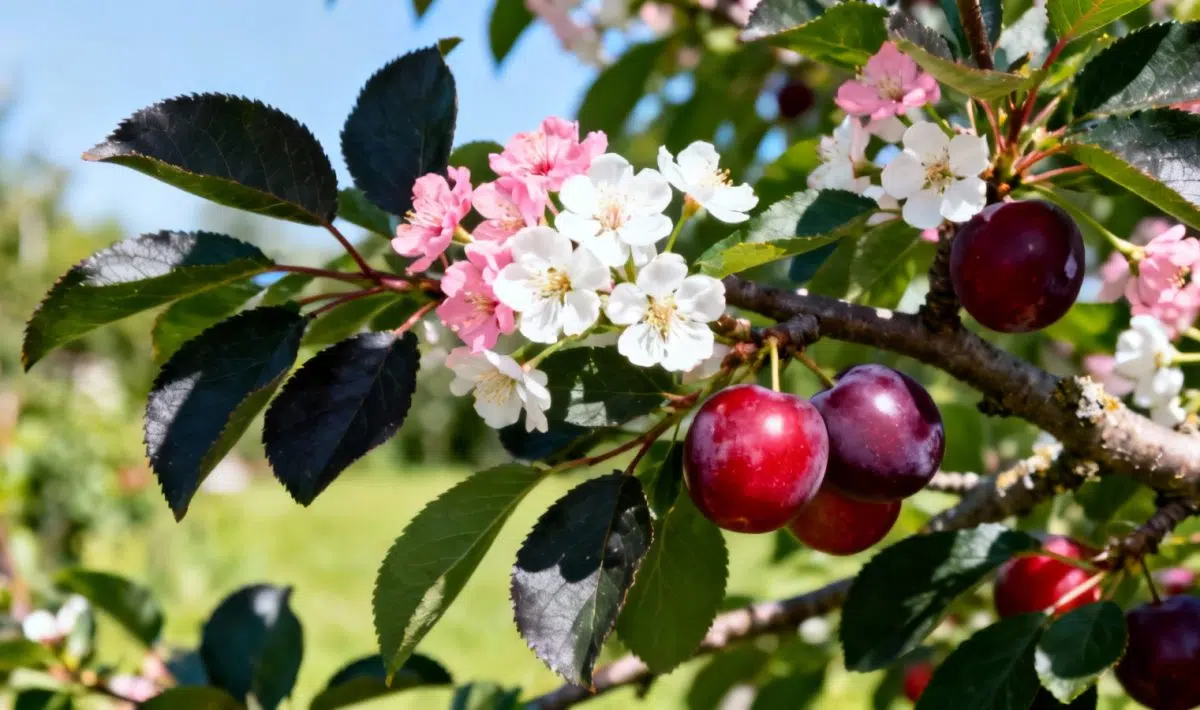
Today I’m excited to share everything you need to know about growing cherry plum, or Prunus cerasifera. This fast-growing tree has become increasingly popular among gardeners, and for good reason. With its stunning early blooms and attractive fruits, this tree will transform any garden into a spectacular display.
Whether you’re planning to buy seeds or looking for practical care tips, this comprehensive overview will help you succeed with your cherry plum cultivation. From choosing the right planting location to mastering propagation techniques, we’ll cover all the essential aspects you need to consider.
Understanding Prunus cerasifera characteristics
The cherry plum stands out as one of the most versatile trees you can add to your garden. This fast-growing species typically reaches heights of 6-8 meters and can live an impressive 40 to 80 years with proper care. The tree’s vigorous growth makes it an excellent choice for those seeking quick results.
What makes this tree particularly special is its spectacular flowering period from March to April. The abundant white or pink blooms appear before the leaves, creating a breathtaking display that rivals any ornamental cherry. These flowers are also melliferous, making them valuable for supporting local bee populations.
The fruits themselves are quite remarkable, measuring 2-4 cm in diameter and ranging from yellow to deep red. They ripen from June to August, providing an attractive food source for wildlife. While the taste quality varies between varieties, many gardeners appreciate the tree’s dual ornamental and practical value.
Essential care requirements for your cherry plum
Successful cherry plum cultivation starts with understanding the tree’s basic needs. This species thrives in full sun exposure with protection from cold winds. The ideal location should receive at least 6 hours of direct sunlight daily to ensure optimal flowering and fruit production.
Soil preparation is crucial for long-term success. Your Prunus cerasifera will perform best in rich, well-aerated soil with excellent drainage. The tree tolerates various pH levels but prefers slightly acidic to neutral conditions. Avoid areas where water tends to stagnate, as this can lead to root problems.
Watering requirements vary throughout the growing season. Young trees need consistent moisture during establishment, while mature specimens are relatively drought-tolerant. During dry periods, provide deep watering weekly rather than frequent shallow irrigation. Just as you might follow specific care tips for Nerium oleander for Mediterranean plants, cherry plums benefit from consistent but not excessive moisture.
Cultivation techniques and best practices
The planting process requires careful timing and preparation. The best time for planting is during the dormant season, typically from late autumn to early spring. This timing allows the tree to establish its root system before the demanding growing season begins.
When preparing the planting site, dig a hole twice the width of the root ball but no deeper than the container. This approach ensures proper root development while preventing water accumulation around the base. Add compost or well-rotted manure to improve soil structure and provide initial nutrition.
Fertilization plays a key role in maintaining healthy growth. Apply a balanced fertilizer in early spring as new growth begins. Organic options like compost or aged manure work excellently and provide slow-release nutrition throughout the growing season. Avoid over-fertilizing, as this can lead to excessive vegetative growth at the expense of flowering.
Pruning is essential for maintaining tree health and shape. The best time for major pruning is during the dormant season, avoiding the active growing period. Remove dead, diseased, or crossing branches first, then focus on shaping the tree. Similar to how to care for Philodendron Birkin plants that require careful pruning, cherry plums respond well to thoughtful trimming.
Propagation methods for cherry plum
Growing cherry plum from seeds offers an rewarding experience, though it requires patience. Seeds require cold stratification to break dormancy, mimicking natural winter conditions. Store seeds in moist sand or peat moss in the refrigerator for 90-120 days before planting.
When you’re ready to sow, plant seeds in well-draining potting mix about 2 cm deep. Keep the soil consistently moist but not waterlogged. Germination typically occurs within 2-4 weeks under optimal conditions. Young seedlings need protection from direct sunlight and extreme temperatures.
Grafting represents another popular propagation method, especially for specific varieties. This technique allows you to maintain the exact characteristics of the parent plant. The process involves joining a cutting from your desired variety onto a compatible rootstock, typically done during late winter or early spring.
Cutting propagation works well with semi-hardwood cuttings taken in summer. Select healthy shoots about 15-20 cm long and remove the lower leaves. Dip the cut end in rooting hormone and plant in a mixture of sand and peat. Much like propagation techniques for Monstera obliqua require specific conditions, cherry plum cuttings need consistent humidity and temperature for successful rooting.
Popular varieties and their unique features
Several cherry plum varieties offer distinct advantages for different garden situations. The ‘Pissardii’ variety stands out with its deep purple foliage that provides year-round color interest. This cultivar maintains its dramatic coloration throughout the growing season, making it an excellent choice for ornamental purposes.
For those seeking excellent fruit production, consider the ‘Cherry Gold’ variety. This selection produces abundant yellow fruits with superior flavor compared to wild types. The tree maintains good disease resistance while offering reliable annual crops.
The ‘Nigra’ variety combines attractive dark foliage with pink flowers, creating a stunning spring display. This cultivar works particularly well in smaller gardens due to its more compact growth habit. Like growing Southern magnolia effectively requires understanding variety differences, choosing the right cherry plum variety ensures success in your specific conditions.
Common challenges and solutions
Disease prevention starts with proper cultural practices. Ensure adequate air circulation around your tree by maintaining appropriate spacing and regular pruning. Common fungal issues like brown rot and leaf spot can be minimized through these preventive measures.
Pest management typically focuses on aphids and scale insects. Monitor your tree regularly during the growing season and address problems early. Natural predators often provide effective control, but severe infestations may require targeted intervention with horticultural oils or insecticidal soaps.
Weather-related stress can affect tree performance, particularly during extreme conditions. Young trees benefit from protection during harsh winters, while established specimens generally show good cold tolerance. Similar to caring for Fuchsia magellanica plants in challenging climates, providing appropriate protection ensures long-term success.
Where to source quality seeds and plants
Finding reliable sources for cherry plum seeds and plants ensures your cultivation success from the start. Reputable nurseries typically offer the best selection of healthy, disease-free specimens. When shopping for plants, look for vigorous growth, healthy foliage, and well-developed root systems.
Online retailers often provide wider variety selection and convenient shipping options. However, verify that the seller offers proper packaging and fast shipping to maintain plant quality during transport. Many stores now offer free shipping on orders over certain amounts, making it more affordable to acquire quality plants.
Seed exchanges and specialty collectors can provide access to rare varieties not available through commercial sources. This option works particularly well for experienced gardeners interested in unique cultivars. Just as you might seek specialized varieties when growing Capsicum annuum successfully, rare cherry plum varieties offer exciting possibilities for dedicated enthusiasts.
Remember to note the specific variety and its requirements when making your purchase. This information will prove invaluable as you plan your planting and care strategy. With proper selection and care, your cherry plum tree will provide years of beauty and enjoyment in your garden.

Allan is a lifelong gardening enthusiast who still gets excited when the first seedlings pop up in spring. With a deep love for nature and a hands-in-the-soil approach, he shares practical tips, plant discoveries, and clever tricks picked up over years of digging, planting, and observing. Whether you’re a new gardener or have a shed full of tools, Allan writes like a neighbor who’s always happy to swap cuttings and stories over the fence.
You can find more about Allan’s work on Malt or connect with him on LinkedIn.


