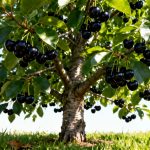
As the leaves begin to turn and the air grows crisp, gardeners know it’s time to focus on an essential task : fruit tree pruning. September marks a crucial period for tending to certain fruit trees, ensuring their health, productivity, and longevity. This article delves into the pruning techniques for three specific fruit trees that benefit greatly from autumn attention : plum, cherry, and peach trees.
The art of pruning plum trees for optimal health
Plum trees, with their delectable fruits, require careful pruning to maintain their vigor and prevent disease. September pruning is particularly beneficial for these trees as it allows them to heal before winter sets in. Here’s why and how you should prune your plum trees now :
Benefits of September pruning for plum trees :
- Reduces risk of bacterial canker
- Improves air circulation
- Promotes better fruit production
- Minimizes sap “bleeding”
To prune your plum tree effectively, follow these steps :
- Remove dead or diseased branches to prevent the spread of infections.
- Thin out the center of the tree to improve light penetration and air flow.
- Cut off crossing branches to avoid rubbing and potential wound sites.
- Shape the tree to maintain a balanced structure.
Remember, a well-pruned plum tree not only looks better but also produces higher quality fruit. By taking the time to prune now, you’re setting the stage for a bountiful harvest next season. Just as choosing the right apple tree varieties can lead to flavorful fruits, proper pruning ensures your plum trees reach their full potential.
Cherry tree pruning : Keeping diseases at bay
Cherry trees, beloved for their spring blossoms and summer fruits, require special attention when it comes to pruning. September is an ideal time to tackle this task, as it helps prevent common issues like bacterial canker and gummosis. Let’s explore the reasons behind autumn pruning for cherry trees and the best techniques to employ.
Why prune cherry trees in September ?
- Reduces the risk of sap “bleeding” in spring
- Allows wounds to heal before winter dormancy
- Helps prevent the spread of diseases
- Encourages healthy growth for the following season
To ensure your cherry tree thrives, follow these pruning guidelines :
- Remove any dead, damaged, or diseased branches.
- Thin out the crown to improve air circulation and light penetration.
- Prune back overly vigorous shoots to maintain tree shape.
- Cut away any suckers growing from the base of the tree.
By implementing these pruning techniques, you’re not only promoting the health of your cherry tree but also enhancing its aesthetic appeal. Much like hastening lemon tree growth with expert tips, proper cherry tree pruning can lead to more robust and productive trees.

Peach tree care : Pruning for prevention and production
Peach trees, with their fuzzy fruits and delicate blossoms, require diligent care to thrive. September pruning plays a crucial role in preventing peach leaf curl and improving overall fruit production. Let’s delve into the specifics of peach tree pruning and why this timing is so important.
Advantages of pruning peach trees in September :
- Helps prevent peach leaf curl
- Encourages the growth of new fruiting wood
- Improves tree structure and strength
- Facilitates better air circulation and sunlight exposure
Follow these steps to properly prune your peach tree :
- Remove any branches showing signs of peach leaf curl or other diseases.
- Thin out interior branches to improve air flow and light penetration.
- Cut back overly vigorous shoots to maintain tree shape and size.
- Prune to create an open center or vase-like structure.
By dedicating time to pruning your peach tree in September, you’re setting it up for success in the coming growing season. Just as proper fertilization is crucial for dogwoods, timely pruning is essential for peach trees to thrive and produce abundant, flavorful fruits.
Comparative pruning techniques for plum, cherry, and peach trees
While each fruit tree has its unique requirements, there are some common principles and differences in pruning techniques. Understanding these can help you approach the task with confidence, regardless of which fruit tree you’re tending to. Let’s compare the pruning methods for plum, cherry, and peach trees :
| Tree Type | Pruning Intensity | Key Focus | Unique Considerations |
|---|---|---|---|
| Plum | Moderate | Thinning and shaping | Prevent overcrowding |
| Cherry | Light to moderate | Disease prevention | Maintain open center |
| Peach | Heavy | Encourage new growth | Remove interior branches |
By understanding these differences, you can tailor your approach to each tree’s specific needs. Remember, proper pruning is as much an art as it is a science, and with practice, you’ll develop an intuitive sense for what each tree requires.
As you tend to your fruit trees this September, consider how your pruning efforts contribute to the overall health and beauty of your garden. Just as companion plants enhance hydrangea gardens, well-pruned fruit trees can elevate the entire landscape. With patience and care, your plum, cherry, and peach trees will reward you with bountiful harvests and years of enjoyment.
September fruit tree pruning is crucial for plum, cherry, and peach trees. Here’s what you need to know :
- Plum trees : Prune to reduce disease risk and improve air circulation
- Cherry trees : Focus on preventing bacterial canker and gummosis
- Peach trees : Prune to prevent leaf curl and encourage new fruiting wood
- General tips : Remove dead branches, thin out crowns, and maintain tree shape

Allan is a lifelong gardening enthusiast who still gets excited when the first seedlings pop up in spring. With a deep love for nature and a hands-in-the-soil approach, he shares practical tips, plant discoveries, and clever tricks picked up over years of digging, planting, and observing. Whether you’re a new gardener or have a shed full of tools, Allan writes like a neighbor who’s always happy to swap cuttings and stories over the fence.
You can find more about Allan’s work on Malt or connect with him on LinkedIn.