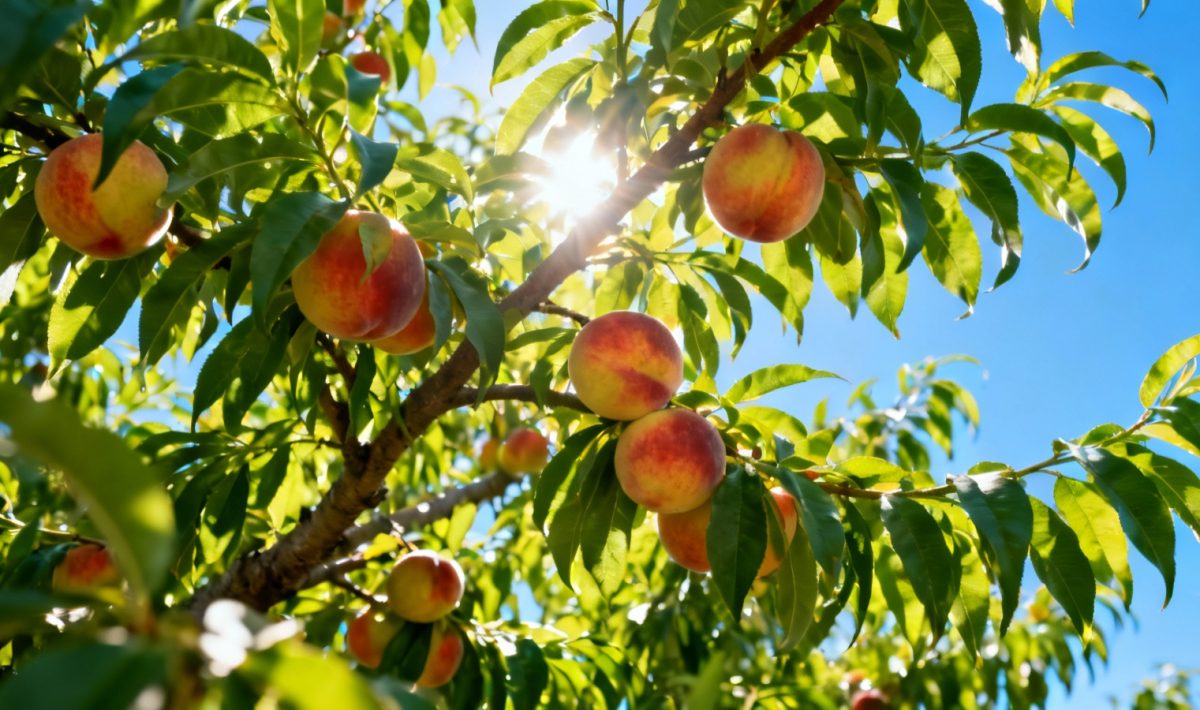
How much sunlight does peach need for healthy growth and fruit production
Growing peach trees successfully depends heavily on understanding their sunlight requirements. These beautiful fruit trees are sun-loving plants that demand specific light conditions to thrive and produce those sweet, juicy peaches we all adore. Whether you’re starting from seeds or planting young trees, knowing exactly how much sunlight does peach need will make the difference between a struggling plant and a bountiful harvest.
Peach trees require full sun exposure to reach their potential. This means they need at least 6 to 8 hours of direct sunlight daily during the growing season. Without adequate light, your peach tree will struggle with poor fruit development, reduced yields, and increased susceptibility to diseases. The warm rays of the sun are essential for photosynthesis, which fuels the tree’s growth and fruit production.
Research from agricultural universities consistently shows that peach trees perform best when they receive sunlight for approximately 80% of daylight hours. This intensive light requirement stems from the peach’s natural habitat in sunny, temperate regions where full sun conditions are the norm. Plants grown in partial shade often produce smaller, less flavorful fruits with poor coloration.
Similar to how different plants have varying light needs, such as understanding sunlight requirements for growing eggplant, peach trees have specific demands that must be met for optimal results.
Factors affecting peach light needs
Several factors can influence how much light your peach tree actually receives. The type of soil plays a crucial role in overall plant health, though it doesn’t change the basic sunlight requirements. Well-draining, fertile soil helps the tree make better use of available light energy. Moist soil conditions support healthy root development, which in turn helps the tree process sunlight more efficiently.
The age and size of your peach tree also matter. Young trees and those grown from seeds may be more sensitive to intense sunlight initially but will quickly adapt as they mature. Proper drainage becomes essential when trees receive full sun, as the combination of heat and waterlogged roots can stress the plant significantly.
Climate zones affect how you provide adequate sunlight. In USDA zones where peaches grow well, the intensity and duration of sunlight can vary seasonally. During germination periods, seeds need consistent warmth and light, typically taking several days to weeks depending on conditions.
Optimal growing conditions for peach trees
When planning your peach cultivation, choose locations that receive unobstructed morning and afternoon sun. Avoid areas shaded by buildings, large trees, or structures that block light during peak hours. The ideal spot provides protection from strong winds while maintaining excellent sun exposure throughout the day.
For container growing, pots should be positioned where they can receive maximum sunlight. Large pots work better as they provide more soil volume and better root development. Just as with other sun-loving plants, understanding specific needs like those for light needs for angel’s-wings plants helps create better growing strategies.
Soil preparation remains crucial even with perfect light conditions. The ground should drain well while retaining enough moisture to support healthy growth. Adding organic matter improves both drainage and water retention, creating the ideal foundation for your peach trees to thrive under full sun conditions.
Common sunlight-related growing mistakes
Many growers underestimate how much direct sunlight peach trees actually need. Planting in locations that receive only morning sun or filtered light throughout the day leads to disappointing results. These trees simply cannot produce quality fruits without adequate light intensity and duration.
Another frequent error involves assuming that any bright location equals full sun. True full sun means direct, unfiltered sunlight for the majority of daylight hours. Even light shade from nearby plants can significantly impact fruit development and overall tree health over time.
Overwatering in full sun conditions creates additional problems. While peach trees need consistent moisture, soggy soil combined with intense sunlight can stress roots and promote disease. The key lies in maintaining moist but well-draining conditions that complement the high light environment.
Understanding plant relationships in garden planning helps too, similar to learning about optimal sunlight for radish growth when designing companion plantings around fruit trees.
Maximizing sunlight benefits for peach production
To get the most from your peach tree’s sunlight exposure, consider the seasonal sun patterns in your area. Summer provides the longest days and most intense light, which coincides perfectly with the tree’s peak growing and fruiting period. During these warm months, ensure your tree receives uninterrupted access to morning through late afternoon sun.
Pruning plays an important role in light management. Remove branches that create excessive shade within the canopy, allowing sunlight to penetrate and reach developing fruits. This practice improves air circulation and helps prevent diseases that thrive in humid, shaded conditions.
Regular monitoring of your tree’s sun exposure throughout the growing season helps identify any issues early. Look for signs of insufficient light such as leggy growth, poor flowering, or small, poorly colored fruits. These symptoms often indicate that your tree needs more direct sunlight to perform well.
Just as different species have unique requirements, learning about various plants like healthy growth of selloum plants broadens your understanding of how light affects plant development across different types.
Seasonal sunlight considerations
Spring sunlight helps trigger bud break and flowering in peach trees. As days lengthen, the increasing light duration signals the tree to begin its annual growth cycle. During this period, consistent sun exposure becomes critical for proper flower development and subsequent fruit set.
Summer represents the most crucial time for sunlight exposure. The combination of long days and intense light drives photosynthesis at peak levels, supporting rapid fruit development and sugar accumulation. Trees receiving full sun during summer months produce notably sweeter, more flavorful peaches compared to those in partial shade.
Fall sunlight helps trees prepare for dormancy while finishing the current season’s fruit ripening. Even as temperatures cool, maintaining good light exposure supports the final stages of fruit maturation and helps trees store energy for the following year’s growth cycle.
Expert tips for successful peach cultivation
Professional growers emphasize that consistent sunlight exposure matters more than occasional intense light periods. A location receiving steady, full sun throughout the day outperforms spots with variable light conditions, even if the variable location gets more total light hours.
When starting from seeds, provide bright, indirect light initially, then gradually transition seedlings to full sun as they develop their first true leaves. This gentle introduction prevents shock while ensuring young plants adapt properly to high light conditions.
Consider the long-term sun patterns when planting peach trees. Young trees may seem small initially, but they’ll grow significantly over the years. Ensure your chosen location will continue providing adequate sunlight even as surrounding vegetation matures and potentially changes the light environment.
Success with peach cultivation requires patience and attention to detail. From germination through harvest, maintaining optimal sunlight conditions supports healthy growth at every stage. With proper planning and care, your peach trees will reward you with abundant, delicious fruits for many years to come.
Allan is a lifelong gardening enthusiast who still gets excited when the first seedlings pop up in spring. With a deep love for nature and a hands-in-the-soil approach, he shares practical tips, plant discoveries, and clever tricks picked up over years of digging, planting, and observing. Whether you’re a new gardener or have a shed full of tools, Allan writes like a neighbor who’s always happy to swap cuttings and stories over the fence.
You can find more about Allan’s work on Malt or connect with him on LinkedIn.