
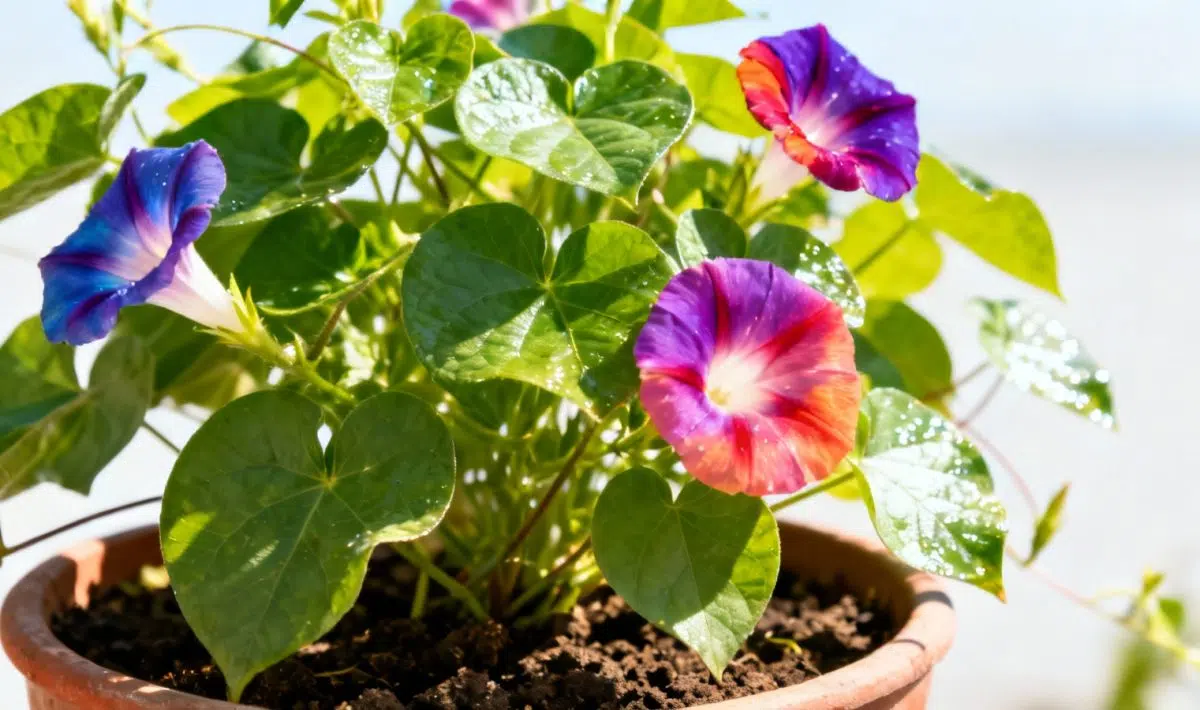
Understanding common morning glory sunlight requirements
If you’re wondering how much sunlight does common morning glory need, you’re in for some straightforward answers. These vibrant climbing plants are absolute sun lovers, demanding plenty of direct light to produce their stunning trumpet-shaped flowers. The common morning glory, scientifically known as Ipomoea purpurea, thrives best with 6 to 8 hours of direct sunlight daily.
Morning glory seeds germinate quickly in warm soil and full sun conditions. These annual vines can reach impressive heights of several meters in a single growing season, making them perfect for covering fences, trellises, or garden structures. However, their spectacular flowering performance directly depends on adequate light exposure.
Optimal light conditions for morning glory plants
The ideal setup for your morning glory plant involves positioning it in a south or west-facing location that receives abundant morning and afternoon sun. These vigorous climbers perform exceptionally well when they get consistent direct sunlight throughout most of the day. With proper light exposure, you’ll enjoy prolific blooms from summer through the first frost.
While morning glories can tolerate some partial shade, anything less than 4 hours of direct sun significantly reduces their flowering potential. In lower light conditions, the plant focuses its energy on producing foliage rather than the colorful flowers that make this species so desirable. Similarly, other plants have specific light needs, and understanding these requirements helps create thriving gardens – for instance, you might be interested in learning about sunlight requirements for comfrey plants for a well-rounded garden plan.
Signs your morning glory needs more sunlight
Several indicators suggest your Ipomoea isn’t receiving adequate light. Leggy growth with long spaces between leaves often signals insufficient sun exposure. Additionally, sparse flowering or delayed bloom times typically indicate the plant is struggling with low light conditions. The leaves may also appear pale green rather than the rich, vibrant color you’d expect from a healthy specimen.
Soil and planting considerations for morning glory success
Beyond sunlight, soil quality plays a crucial role in morning glory cultivation. These plants prefer well-draining soil that doesn’t become waterlogged after rain or watering. A good quality potting mix or garden soil amended with compost provides the perfect foundation for strong root development and vigorous growth.
When planting morning glory seeds, timing matters significantly. Wait until soil temperatures consistently reach 65°F or higher, typically after the last frost date in your area. The germination process happens quickly in warm conditions, often within 7 to 14 days. Plant seeds about half an inch deep and space them 6 inches apart to allow for proper spreading.
Like morning glories, many climbing plants have specific growing requirements that gardeners should understand. For fruit production, optimal sunlight for passionfruit growth becomes equally important when planning vertical garden spaces.
Support systems for growing morning glories
These vigorous vines require sturdy support structures from early in their growth cycle. Install trellises, wire mesh, or string supports before planting to avoid disturbing young roots later. Morning glories climb by twining their stems around supports, so provide vertical elements they can easily grasp and spiral around.
Varieties and characteristics of morning glory flowers
The Ipomoea family includes numerous varieties, each offering unique flower colors and patterns. Traditional purple morning glories remain popular, but you’ll also find varieties in pink, white, blue, and even striped combinations. Some cultivars like ‘Heavenly Blue’ produce particularly large, stunning blooms that open each morning and close by afternoon.
Fast-growing varieties can reach 10 to 15 feet in height during a single growing season. This rapid growth makes morning glories excellent choices for creating quick privacy screens or covering unsightly structures. The flowers typically open in early morning hours and close during the heat of midday, giving the plant its distinctive common name.
When designing gardens with multiple plant species, understanding various light requirements helps create balanced landscapes. Tree species often serve as backdrop elements, and knowing details like sunlight needs of dogwood trees can inform your overall garden planning.
Care and maintenance throughout the growing season
Once established, morning glories require minimal maintenance beyond regular watering and occasional fertilizing. Water deeply but infrequently, allowing soil to dry slightly between waterings. Overwatering can lead to root problems and reduced flowering, so moderate moisture levels work best.
Deadheading spent blooms encourages continued flower production throughout the season. However, if you want to collect seeds for next year’s planting, allow some flowers to mature and form seed pods. The seeds can be harvested when pods turn brown and begin to split naturally.
These annual plants typically don’t require heavy fertilization. Too much nitrogen can actually promote excessive foliage growth at the expense of flowers. A balanced, low-nitrogen fertilizer applied once or twice during the growing season provides adequate nutrition for healthy development.
Companion planting with morning glories
Morning glories pair well with other sun-loving plants that share similar growing conditions. Consider planting them alongside marigolds, zinnias, or nasturtiums for colorful ground-level interest. The vertical nature of morning glories allows you to maximize garden space by growing upward while other plants fill horizontal areas.
Evergreen shrubs can provide year-round structure in gardens where morning glories create seasonal interest. Understanding requirements for plants like juniper sunlight requirements for growth helps create gardens that look attractive throughout all seasons.
Troubleshooting common morning glory problems
Pest issues rarely plague healthy morning glories, but poor growing conditions can make plants susceptible to problems. Aphids sometimes appear on stressed plants, particularly those growing in insufficient light or overly rich soil. Regular inspection and prompt treatment with insecticidal soap typically resolves minor pest issues quickly.
Fungal problems can occur in humid conditions with poor air circulation. Ensuring adequate spacing between plants and avoiding overhead watering helps prevent disease development. If fungal issues do appear, remove affected plant parts immediately and improve growing conditions to prevent spread.
Self-seeding can become an issue in ideal growing conditions, as morning glories readily produce viable seeds that germinate the following year. While many gardeners appreciate this natural reseeding, others prefer to control plant placement by removing seed pods before they mature and scatter.
Planning your morning glory garden for next season
Success with morning glories starts with proper planning and site selection. Choose locations that receive maximum sunlight throughout the growing day, particularly morning sun which helps flowers open properly. Avoid areas with heavy shade from buildings or large trees, as these conditions significantly limit flowering potential.
Consider the mature size of your chosen varieties when planning garden layouts. Some morning glories can become quite vigorous, potentially overwhelming smaller neighboring plants. Providing adequate support structures from the beginning prevents problems later in the season when vines become heavy with foliage and flowers.
With proper sunlight exposure and basic care, morning glories reward gardeners with months of beautiful blooms and fast-growing greenery that transforms outdoor spaces throughout the growing season.

Allan is a lifelong gardening enthusiast who still gets excited when the first seedlings pop up in spring. With a deep love for nature and a hands-in-the-soil approach, he shares practical tips, plant discoveries, and clever tricks picked up over years of digging, planting, and observing. Whether you’re a new gardener or have a shed full of tools, Allan writes like a neighbor who’s always happy to swap cuttings and stories over the fence.
You can find more about Allan’s work on Malt or connect with him on LinkedIn.


