
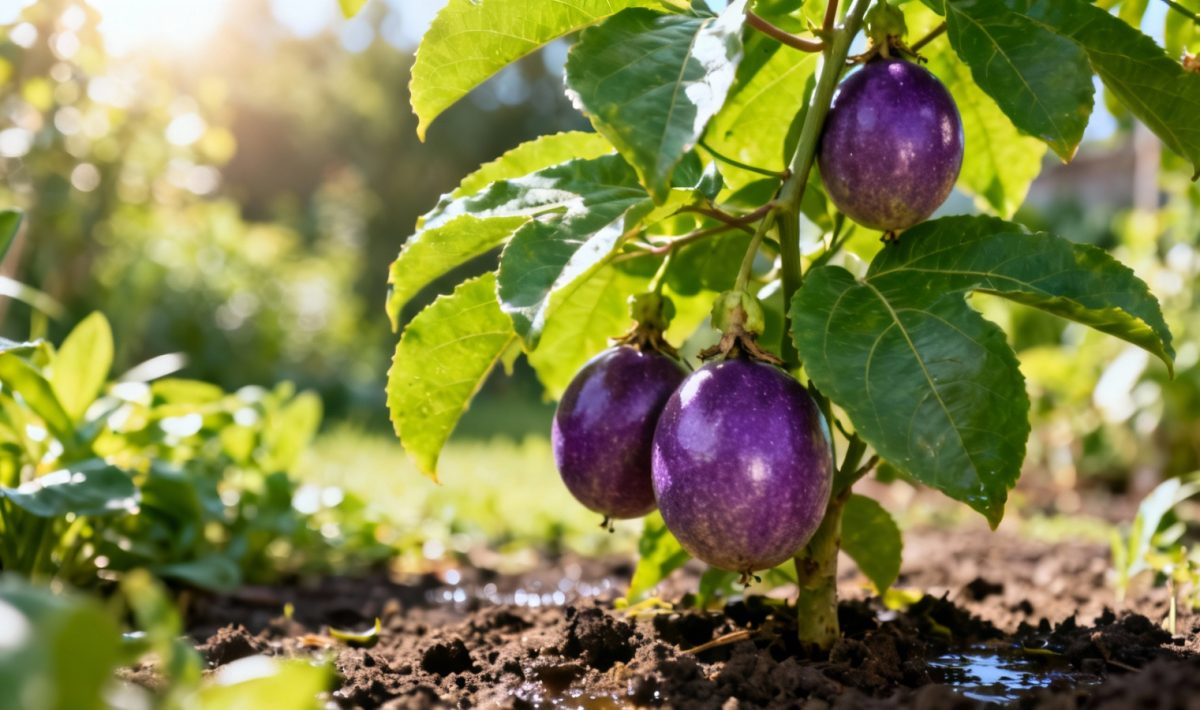
Growing common passionfruit in your garden is one of those rewarding experiences that brings both beauty and delicious fruits to your doorstep. However, understanding how much sunlight does common passionfruit need is absolutely crucial for success. These vigorous vines are sun-loving plants that demand specific light conditions to thrive and produce those aromatic, flavorful fruits we all crave.
Understanding passionfruit’s sunlight requirements
Common passionfruit (Passiflora edulis) is a tropical vine that originates from South America, where it basks in abundant sunshine year-round. This plant requires a minimum of 6 to 8 hours of direct sunlight daily for optimal growth, flowering, and fruit production. Without adequate light exposure, your passionfruit vine will struggle to develop properly and may produce disappointing harvests.
The intensity of sunlight plays a crucial role in the plant’s overall health and productivity. In regions with more than 11 hours of daylight, passionfruit vines can flower continuously and produce fruits throughout the growing season. This is why many commercial growers choose locations with maximum sun exposure for their passion fruit orchards.
Just as different plants have varying light needs, such as sunlight requirements for common dogwood, passionfruit has its own specific demands that gardeners must understand.
Optimal growing conditions for maximum fruit production
When planning your passionfruit planting location, morning and late afternoon sun exposure work best. This timing helps the plant avoid the harsh midday heat that can sometimes cause leaf burn, especially in extremely hot climates. The gentle morning rays kickstart photosynthesis, while afternoon light extends the growing period effectively.
Your passionfruit vine will reward you with vigorous growth when positioned in a spot that receives consistent, direct sunlight. The plant uses this energy to develop strong stems, healthy foliage, and most importantly, those coveted flowers that eventually transform into delicious fruits. Good soil drainage combined with full sun exposure creates the perfect foundation for success.
Unlike some plants that prefer partial shade, such as sunlight preferences for common columbine, passionfruit thrives in bright, sunny locations with minimal shade interference.
Choosing the perfect planting location
Selecting the right spot for your passionfruit vine requires careful consideration of sun patterns throughout the day. Observe your garden area for at least a week, noting which sections receive the most consistent sunlight. South-facing locations typically offer the best exposure in most climates, providing steady light from morning until evening.
Consider the mature size of your vine when planning placement. Passionfruit vines can grow quite large and will need adequate support structures. Position them away from tall trees or buildings that might cast shadows during peak growing hours. This ensures your plant gets the full benefit of available sunlight for healthy development.
Essential care tips for sun-loving passionfruit
Proper watering becomes even more critical when your passionfruit receives full sun exposure. The combination of intense light and heat can quickly dry out soil, so maintain consistent moisture levels without waterlogging. Mulching around the base helps retain soil moisture while protecting roots from temperature fluctuations.
During the growing season, your well-positioned passionfruit vine will produce an abundance of flowers. These ornamental blooms are not just beautiful but essential for fruit production. Adequate sunlight ensures strong flower development and attracts pollinators naturally. Regular feeding with balanced fertilizer supports this energy-intensive process.
Similar to how milkweed’s sunlight needs for growth vary based on growing conditions, passionfruit may require slight adjustments based on your specific climate and seasonal changes.
Supporting healthy vine development
Strong support structures are essential for passionfruit vines, especially when they receive optimal sunlight and grow vigorously. Install trellises, fences, or pergolas before planting to accommodate the vine’s climbing nature. This support system should be sturdy enough to handle the weight of mature vines laden with fruits.
Pruning plays a vital role in maintaining plant health and maximizing sun exposure to all parts of the vine. Remove dead or overcrowded branches to improve air circulation and ensure sunlight reaches inner foliage. This practice encourages new growth and prevents disease issues that can develop in dense, shaded areas.
Just as optimal sunlight for common juniper requires specific positioning considerations, passionfruit benefits from thoughtful placement and ongoing maintenance to maximize sun benefits.
Maximizing fruit production through proper sun exposure
The relationship between sunlight and fruit quality in passionfruit cannot be overstated. Vines receiving adequate sun exposure produce fruits with superior flavor, aroma, and nutritional value. The natural sugars develop more fully under intense light conditions, resulting in that characteristic sweet-tart taste that makes passion fruit so desirable.
Consistent sunlight also affects fruit color and texture. Well-exposed fruits develop rich purple or yellow skin colors depending on the variety, while the pulp inside becomes more aromatic and flavorful. This is why commercial growers invest heavily in selecting sites with optimal sun exposure for their passion fruit operations.
For home gardeners, patience is key when growing passionfruit from seeds. Young plants started from quality seeds need gradually increasing sun exposure as they establish. Begin with partial sun protection and gradually move to full sun as the plant matures. This process typically takes several months but results in stronger, more productive vines.
Remember that passion fruit vines are long-term investments in your garden. With proper sunlight requirements met, these plants can produce fruits for many years, providing excellent value for gardening enthusiasts. The initial effort in selecting and preparing the perfect sunny location pays dividends in abundant harvests and healthy plant growth.
Success with passionfruit really comes down to understanding and meeting their fundamental need for abundant sunlight. When you provide those essential 6 to 8 hours of direct sun daily, combined with good soil and proper care, you’ll be rewarded with vigorous vines and delicious, homegrown passion fruits that far exceed anything you can find in stores.

Allan is a lifelong gardening enthusiast who still gets excited when the first seedlings pop up in spring. With a deep love for nature and a hands-in-the-soil approach, he shares practical tips, plant discoveries, and clever tricks picked up over years of digging, planting, and observing. Whether you’re a new gardener or have a shed full of tools, Allan writes like a neighbor who’s always happy to swap cuttings and stories over the fence.
You can find more about Allan’s work on Malt or connect with him on LinkedIn.


