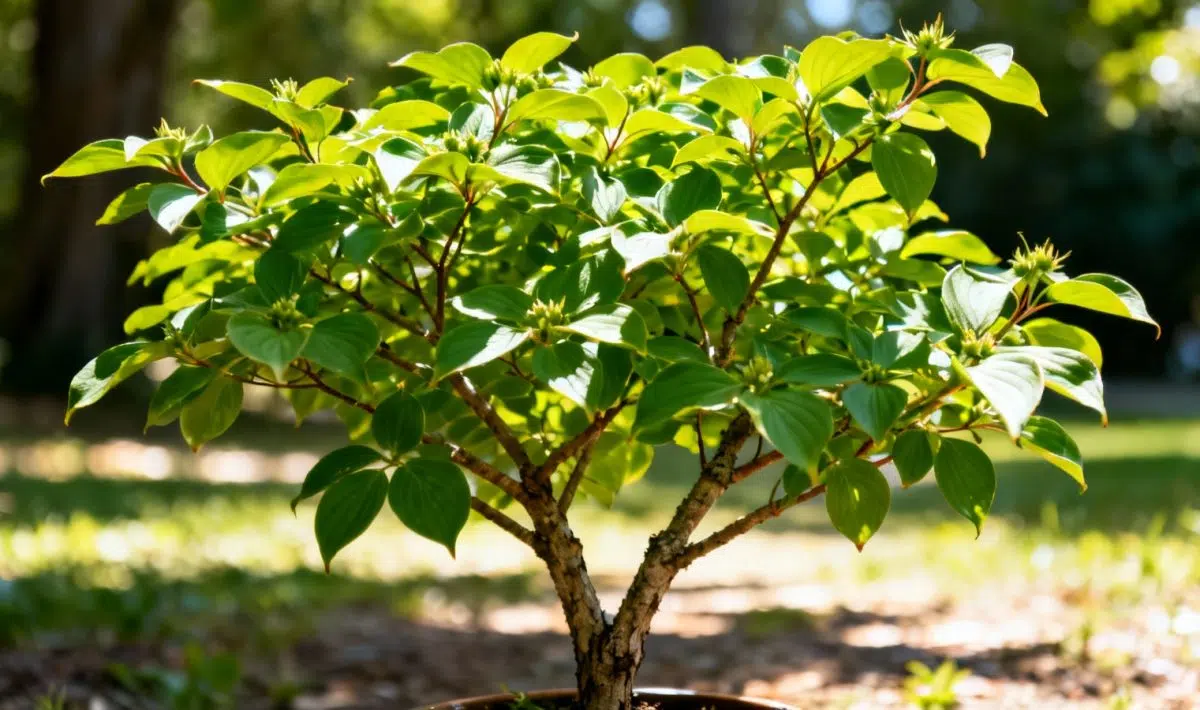
How much sunlight does common dogwood need for optimal growth
When you’re planning to add a common dogwood to your garden, understanding its sunlight needs is absolutely crucial for success. This beautiful tree species thrives with the right balance of light exposure, and getting it wrong can mean the difference between a flourishing specimen and a struggling plant.
Common dogwood trees perform best with 3 to 6 hours of direct sunlight daily. This translates to what we call partial sun or dappled shade conditions. The tree can tolerate full sun exposure, but it truly shines when it receives morning sunlight followed by afternoon shade, especially during hot summer months.
You’ll find that these trees are quite adaptable when it comes to light conditions. They can grow in areas with some shade, though this may affect their flowering capacity. The key is finding that sweet spot where your dogwood gets enough light for photosynthesis without being stressed by excessive heat.
Temperature plays a significant role in determining how much sun your dogwood can handle. In cooler climates, full sun exposure for 6 to 8 hours daily won’t harm the tree. However, in warmer regions, too much direct sunlight can cause leaf scorch and stress the plant unnecessarily.
Optimal growing conditions for healthy development
The best placement for your common dogwood involves morning sun with afternoon protection. This schedule allows the tree to photosynthesize effectively during the cooler morning hours while avoiding the harsh midday heat that can damage delicate leaves and flowers.
Just like other native species, common dogwood has adapted to forest edge conditions in its natural habitat. You can see similar adaptation patterns when studying sunlight requirements for common juniper, which also thrives in partial sun conditions.
Consider these factors when choosing your planting location:
Soil moisture levels – more sun requires more water
Surrounding trees or structures that create natural shade
Your local climate zone and average temperatures
The tree’s intended purpose in your landscape design
Seasonal sunlight considerations
Your dogwood’s sunlight needs change throughout the year, and understanding this helps you provide better care. During spring and early summer, when the tree is actively growing and flowering, it benefits from consistent light exposure. The energy from sunlight fuels rapid leaf development and those stunning white or pink blooms.
Summer brings different challenges, as intense heat can stress your tree even with adequate water. This is where afternoon shade becomes particularly valuable. The tree continues photosynthesis but avoids the punishment of scorching summer sun.
Fall and winter require less consideration since the tree enters dormancy. However, some winter sun can help prevent fungal issues that thrive in constantly damp, shaded conditions. Many gardeners notice similar seasonal patterns with optimal sunlight for common milkweed, though each species has its unique requirements.
Signs your dogwood needs more or less light
Your tree will tell you if it’s getting the right amount of sunlight through various visual cues. Too little light often results in sparse flowering, elongated growth as the tree reaches for light, and reduced fall color intensity. The leaves may also appear darker green than normal.
Excessive sunlight creates different problems that are equally concerning. Watch for leaf edges turning brown or crispy, premature leaf drop during summer, or overall wilting despite adequate soil moisture. These symptoms indicate your dogwood is receiving more sun than it can comfortably handle.
The timing of these symptoms matters too. If you notice stress signs during the hottest part of the day but recovery by evening, your tree might benefit from additional afternoon shade rather than relocation.
Planting and location strategies
When selecting a spot for your common dogwood, think about the mature size and how surrounding elements will affect light patterns. Trees and buildings cast different shadows throughout the day and across seasons, so observe your potential planting area at various times.
Consider companion planting with species that have similar light requirements. For instance, sunlight needs of common columbine make it an excellent understory plant beneath dogwoods, creating natural garden layers.
If your garden lacks the ideal partial sun conditions, you can create them artificially. Plant larger trees to provide afternoon shade, or use temporary shade cloth during the hottest summer months while young trees establish their root systems.
Care tips for different light conditions
Dogwoods planted in sunnier locations need more frequent watering and benefit from mulching to keep roots cool. A 2-3 inch layer of organic mulch helps retain moisture and moderate soil temperature, reducing stress from intense sunlight.
For trees in shadier spots, focus on improving air circulation to prevent fungal diseases. Prune lower branches if necessary and avoid overhead watering that keeps leaves damp for extended periods. This approach differs from caring for sun-loving species like healthy growth of common hackberry, which tolerates more direct exposure.
Regular fertilization becomes more important for dogwoods in less-than-ideal light conditions. A balanced, slow-release fertilizer applied in early spring helps compensate for reduced photosynthetic capacity in shadier locations.
Common mistakes to avoid
Many new gardeners assume that more sun always equals better growth, but this isn’t true for dogwoods. Placing them in full southern exposure without any shade protection often leads to stressed trees that struggle to establish properly.
Another frequent error involves ignoring microclimates within your garden. Areas near south-facing walls or concrete surfaces receive more intense heat and reflected light than open areas with the same hours of direct sun exposure.
Don’t forget to account for seasonal changes in light patterns. A spot that seems perfect in spring might become too sunny once surrounding deciduous trees leaf out, or conversely, too shaded when those same trees drop their leaves.
Long-term success with your dogwood
Establishing your common dogwood in the right light conditions sets the foundation for years of healthy growth and beautiful blooms. These trees can live for decades when their basic needs are met, including appropriate sunlight exposure.
Monitor your tree’s performance annually and be prepared to make adjustments. Young trees might need temporary shade during their first summer, while established trees become more tolerant of various light conditions as their root systems mature.
Understanding light requirements becomes particularly valuable when expanding your garden with similar species. The principles you learn caring for dogwoods apply to many native trees, including those detailed in resources about sunlight for common hawthorn growth.
Remember that successful dogwood cultivation involves balancing multiple factors, with sunlight being just one piece of the puzzle. When you provide the right amount of light along with proper soil, water, and care, you’ll enjoy the spectacular spring blooms and vibrant fall colors that make these trees such treasured garden additions.
Allan is a lifelong gardening enthusiast who still gets excited when the first seedlings pop up in spring. With a deep love for nature and a hands-in-the-soil approach, he shares practical tips, plant discoveries, and clever tricks picked up over years of digging, planting, and observing. Whether you’re a new gardener or have a shed full of tools, Allan writes like a neighbor who’s always happy to swap cuttings and stories over the fence.
You can find more about Allan’s work on Malt or connect with him on LinkedIn.