How much sunlight does kousa dogwood need for optimal growth
If you’re planning to add a stunning Kousa dogwood to your garden, understanding its sunlight needs is absolutely crucial for success. This beautiful tree can transform your landscape with its spectacular flowers and vibrant fall colors, but only when you provide the right growing conditions. Let me share what you need to know about giving your Kousa dogwood the light it craves.
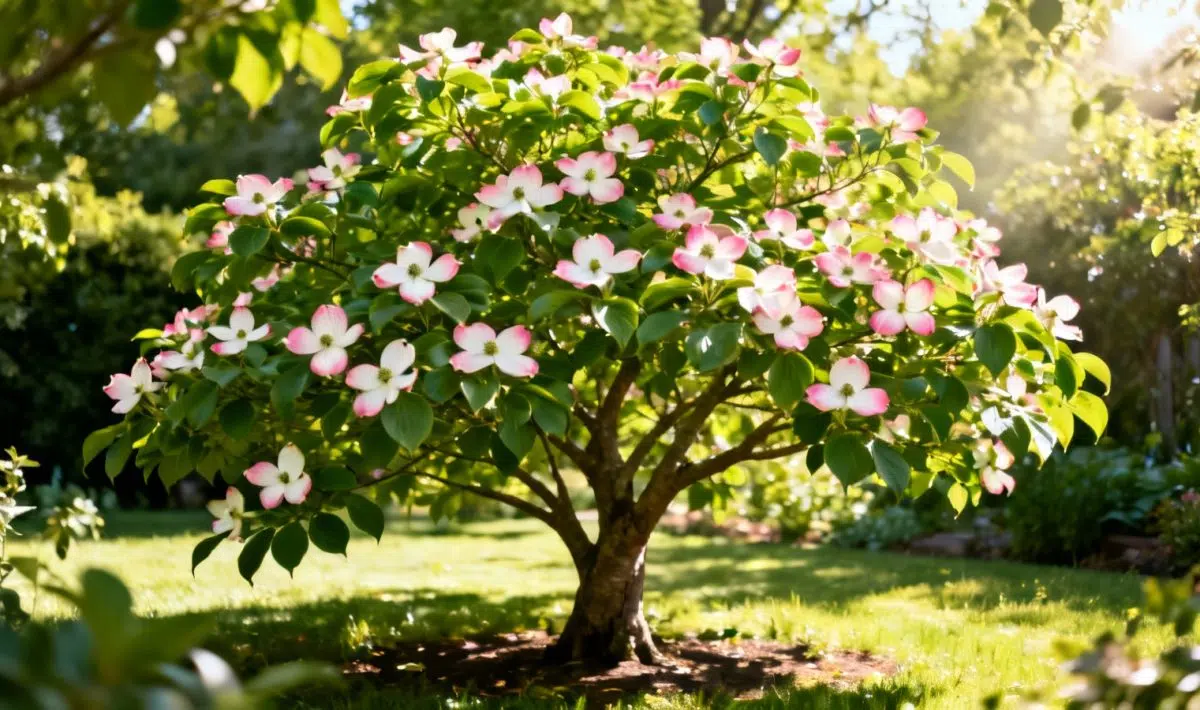
The Kousa dogwood, scientifically known as Cornus kousa, is a magnificent ornamental tree that originated in East Asia. This tree stands out for its exceptional beauty throughout the seasons, producing creamy white flowers in late spring, followed by attractive red fruit in summer. What makes this plant particularly appealing is its remarkable adaptability to various growing conditions, making it a favorite choice for gardeners across different climate zones.
Unlike many other flowering trees, the Kousa dogwood offers multiple seasons of interest. During autumn, the foliage transforms into brilliant shades of red and orange, creating a spectacular display that rivals any maple. The tree typically reaches heights of 15 to 30 feet at maturity, with a graceful spreading canopy that provides excellent shade and visual appeal to any garden setting.
Optimal sunlight requirements for kousa dogwood
The Kousa dogwood thrives best in full sun to partial shade conditions, requiring a minimum of six hours of direct sunlight daily for optimal performance. This tree shows remarkable flexibility when it comes to light exposure, tolerating various lighting conditions while still producing beautiful flowers and healthy growth.
For the most abundant flowering and vibrant fall color, plant your Kousa dogwood in a location that receives full morning sun. The tree can handle some afternoon shade, which actually benefits it in extremely hot climates. In fact, in southern regions where summer heat can be intense, providing some protection from the harshest afternoon sun will help your tree maintain its health and appearance throughout the growing season.
What’s particularly impressive about this species is its superior tolerance to full sun compared to native dogwood varieties. While American dogwoods often struggle in bright, exposed locations, the Kousa dogwood can handle these conditions with remarkable resilience. This makes it an excellent choice for open landscapes and urban environments where other flowering trees might falter.
Light conditions and flowering success
The amount of sunlight your Kousa dogwood receives directly impacts its flowering potential. Trees grown in optimal light conditions produce larger, more numerous flowers that last longer throughout the blooming period. When planted in too much shade, you’ll notice reduced flowering and potentially weaker overall growth, though the tree will still survive and provide attractive foliage.
The relationship between light exposure and fruit production is equally important. Adequate sunlight ensures proper flower development, which leads to the formation of the tree’s distinctive strawberry-like fruit. These ornamental fruits not only add visual interest but also attract birds and wildlife to your garden, creating a more dynamic ecosystem around your home.
Placement considerations for your garden
When selecting the perfect spot for your Kousa dogwood, consider both current and future sunlight patterns in your landscape. Remember that nearby trees and structures will grow and change over time, potentially altering the light conditions in your chosen location. Choose a site that will maintain adequate sun exposure as your garden matures.
The tree performs exceptionally well as a specimen plant in open lawn areas where it can receive unobstructed morning sunlight. It also works beautifully as part of a mixed border, provided it’s positioned where larger plants won’t shade it excessively. For gardens with varying light conditions, similar to how sunlight requirements for red frangipani vary by location, you’ll want to observe your space throughout the day to identify the best placement.
Consider the mature size of your Kousa dogwood when planning its location. This tree develops a broad, spreading canopy that can span 15 to 25 feet, so ensure you provide adequate space for healthy development. Proper spacing also ensures good air circulation, which helps prevent disease and promotes overall tree health.
Soil and drainage considerations
While sunlight is crucial, don’t overlook the importance of well-draining soil for your Kousa dogwood. The tree prefers slightly acidic to neutral soil with good organic content. Poor drainage can quickly kill even the healthiest specimen, regardless of perfect light conditions.
Prepare your planting site by incorporating organic matter like compost or well-aged manure into the native soil. This improves both drainage and nutrition, creating an ideal environment for root development. The tree’s root system will spread wide rather than deep, so preparing a broad area rather than just a deep hole will benefit long-term growth.
Seasonal light management and care tips
Throughout the year, your Kousa dogwood’s light needs remain relatively consistent, but seasonal changes can affect how you manage its growing environment. During winter months when the tree is dormant, reduced light levels aren’t a concern. However, as spring arrives and new growth begins, ensuring adequate light exposure becomes critical for healthy development.
Summer heat can be challenging, even for this sun-tolerant species. In regions with extreme heat, providing some afternoon shade or ensuring adequate soil moisture can help your tree thrive. Much like trumpet creeper sunlight needs vary with local climate conditions, your Kousa dogwood may benefit from slight modifications to its light exposure based on your specific growing zone.
Fall is when proper light exposure throughout the growing season pays off with spectacular foliage color. Trees that received adequate sunlight during the growing season will reward you with the most vibrant autumn display. This makes the effort you put into proper placement and care worthwhile when you see those brilliant oranges and reds lighting up your landscape.
Companion planting strategies
When designing around your Kousa dogwood, choose companion plants that won’t compete for light or create excessive shade. Low-growing perennials and shrubs work well underneath the canopy, particularly those that tolerate filtered light conditions.
Consider plants with different blooming periods to extend the season of interest in your garden. Spring bulbs can provide early color before the dogwood leafs out, while summer perennials can complement the tree’s fruit display. Just as optimal sunlight for common yarrow differs from tree requirements, understanding each plant’s needs helps create a harmonious garden design.
Common sunlight-related problems and solutions
One of the most common issues gardeners encounter is planting their Kousa dogwood in insufficient light and wondering why it doesn’t flower well. If you notice poor flowering or weak growth, inadequate sunlight is often the culprit. Unfortunately, moving a mature tree isn’t practical, so careful initial placement is essential.
On the opposite end, excessive heat and reflected light from pavement or buildings can stress your tree, even though it’s generally sun-tolerant. Signs of heat stress include wilting during hot afternoons, leaf scorch, or premature leaf drop. Providing supplemental irrigation during hot spells and ensuring good air circulation can help alleviate these problems.
Another consideration is how changing light conditions affect your tree over time. As nearby trees grow or new construction occurs, the light environment can shift dramatically. Regular assessment of your garden’s light patterns helps you anticipate and address potential issues before they become serious problems.
Maximizing your tree’s potential
To get the best performance from your Kousa dogwood, combine proper light exposure with appropriate care practices. Regular watering during dry spells, annual fertilization with a balanced fertilizer, and occasional pruning to remove dead or damaged wood will keep your tree healthy and attractive.
The beauty of gardening with trees like the Kousa dogwood lies in understanding their needs and working with natural conditions rather than against them. Much like how american sycamore sunlight requirements guide proper placement decisions, knowing your tree’s light preferences sets the foundation for decades of garden enjoyment.
With proper sunlight exposure and basic care, your Kousa dogwood will reward you with years of beauty, from its stunning spring flowers through its brilliant fall display. The investment in understanding and meeting its light requirements pays dividends in the form of a healthy, vigorous tree that enhances your landscape for generations to come.
Allan is a lifelong gardening enthusiast who still gets excited when the first seedlings pop up in spring. With a deep love for nature and a hands-in-the-soil approach, he shares practical tips, plant discoveries, and clever tricks picked up over years of digging, planting, and observing. Whether you’re a new gardener or have a shed full of tools, Allan writes like a neighbor who’s always happy to swap cuttings and stories over the fence.
You can find more about Allan’s work on Malt or connect with him on LinkedIn.