How much sunlight does trumpet creeper need for optimal growth
Trumpet creeper, scientifically known as Campsis radicans, is a fast-growing vine that can transform any garden fence or trellis into a stunning display of orange-red flowers. Understanding how much sunlight does trumpet creeper need is essential for gardeners who want to cultivate this vibrant climbing plant successfully. This hardy vine thrives with proper light exposure and can add spectacular color to your outdoor space when given the right conditions.
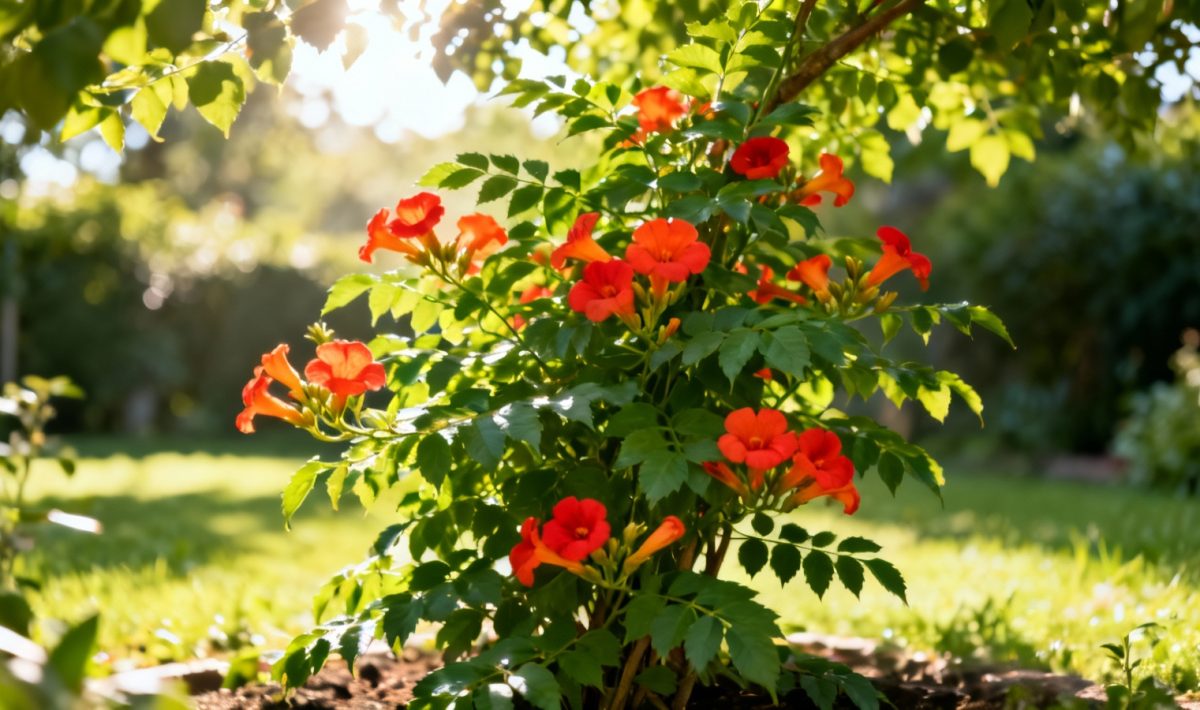
The trumpet creeper performs best in full sun conditions, requiring at least 6 to 8 hours of direct sunlight daily for optimal flowering. This native climbing vine tolerates partial shade but produces significantly fewer blooms when light conditions are inadequate. The plant’s vigorous growth and spectacular trumpet-shaped flowers depend heavily on receiving abundant sunshine throughout the growing season.
When planted in ideal light conditions, Campsis radicans develops into a robust vine that can reach impressive heights. The seeds germinate more readily, and the plant establishes itself faster when positioned in areas that receive consistent morning and afternoon sun. Like other sun-loving plants, you might find similar principles apply when considering the sunlight needs of common yarrow for your garden planning.
Insufficient sunlight often results in weak growth, fewer flowers, and increased susceptibility to diseases. The vine may still grow in shadier locations, but gardeners will notice a marked difference in flowering performance compared to plants grown in full sun.
Optimal placement for maximum sun exposure
Choosing the perfect location for your trumpet creeper requires careful consideration of your garden’s sun patterns. South-facing walls, fences, and trellises typically provide the most consistent sunlight exposure throughout the day. These areas capture the morning sun and maintain warmth well into the afternoon, creating ideal conditions for robust growth.
When planning your garden layout, observe how sunlight moves across your space during different seasons. Trees and buildings can create shadows that change throughout the year, potentially affecting your vine’s light exposure. The trumpet creeper’s fast growth habit means it can quickly cover structures, but it needs that initial strong light foundation to establish properly.
Consider the mature size of nearby plants when selecting a spot for your Campsis radicans. What starts as a sunny location might become shaded as surrounding vegetation grows. This consideration applies to many garden plants, including larger specimens like those discussed in guides about optimal sunlight for american sycamore.
Evaluating garden microclimates
Every garden contains microclimates that can affect plant performance. Areas near walls or fences often receive reflected heat and light, potentially extending the effective sun exposure for your trumpet creeper. These warm microclimates can be particularly beneficial in cooler regions where the vine might struggle with insufficient heat.
Wind patterns also influence how effectively your plant can utilize available sunlight. Protected areas that still receive full sun often produce the healthiest vines, as excessive wind can stress the plant and reduce its ability to photosynthesize efficiently.
Impact of light on flowering and growth
The connection between sunlight exposure and flowering in trumpet creeper is remarkable. Plants grown in full sun typically begin blooming earlier in the season and continue producing flowers well into autumn. The vibrant orange-red blooms are not only beautiful but also serve as magnets for hummingbirds and other pollinators.
Light quality matters as much as quantity for Campsis radicans. Direct morning sunlight helps the plant establish strong growth patterns, while afternoon sun supports continued photosynthesis and energy production. This energy translates directly into more abundant flowering and faster coverage of your chosen support structure.
Interestingly, the relationship between light and plant performance varies among species, as seen when comparing requirements with other garden favorites like healthy sunlight for common dandelion or more exotic options.
Seasonal considerations for light exposure
Trumpet creeper’s light needs remain consistent throughout its growing season, but seasonal changes can affect available sunlight. Deciduous trees that provide welcome shade in summer might create too much shadow during the vine’s peak growing period. Planning around these seasonal variations ensures your plant receives adequate light year-round.
Spring establishment is particularly critical, as young plants need strong light exposure to develop their root systems and initial climbing structure. Once established, mature trumpet creepers become more tolerant of occasional shade but still perform best with consistent sun exposure.
Maximizing growth with proper cultivation techniques
Beyond sunlight, several cultivation practices can help your trumpet creeper thrive in your garden setting. Proper soil preparation, adequate water during establishment, and appropriate support structures all contribute to the plant’s success. However, even the best cultivation practices cannot compensate for inadequate light exposure.
When combining trumpet creeper with other plants, consider their respective light requirements. Mixing sun-loving vines and climbing plants often creates dynamic garden displays, but each species needs its optimal conditions. Some gardeners successfully pair Campsis radicans with other bright bloomers, creating stunning combinations when light requirements align.
Training your vine onto a sturdy trellis or fence ensures the foliage receives maximum light exposure as it climbs. Proper pruning also helps maintain good air circulation and light penetration throughout the plant structure, promoting healthy growth and abundant flowering.
Companion planting strategies
Smart companion planting can enhance your trumpet creeper’s performance while creating visually appealing garden combinations. Plants with similar light requirements work well together, and you might consider researching options like sunlight requirements for Egyptian starcluster for complementary plantings.
Ground-level plants that tolerate partial shade can thrive beneath established trumpet creeper vines, creating layered garden interest. This approach maximizes your garden space while ensuring each plant receives appropriate light levels for optimal growth and flowering.
Troubleshooting common sunlight-related issues
Gardeners often encounter challenges when their trumpet creeper doesn’t perform as expected. Poor flowering is frequently linked to insufficient sunlight, but other factors can contribute to disappointing results. Overly rich soil can promote excessive foliage growth at the expense of flowers, even when light conditions are perfect.
If your established vine suddenly produces fewer flowers, consider whether nearby vegetation has grown to create new shade. Trees planted years ago might now cast shadows that weren’t present when you first planted your trumpet creeper. Regular garden assessments help identify these changing conditions.
Sometimes relocating a young trumpet creeper to a sunnier location proves more effective than trying to modify the existing site. The plant’s vigorous growth habit means it can recover quickly from transplanting when moved to more favorable conditions.
Remember that patience is key with trumpet creeper. Young plants may take a season or two to establish fully before producing their characteristic abundant blooms, even with perfect sunlight exposure. With proper placement and care, your vine will reward you with years of spectacular color and hummingbird visits.
Allan is a lifelong gardening enthusiast who still gets excited when the first seedlings pop up in spring. With a deep love for nature and a hands-in-the-soil approach, he shares practical tips, plant discoveries, and clever tricks picked up over years of digging, planting, and observing. Whether you’re a new gardener or have a shed full of tools, Allan writes like a neighbor who’s always happy to swap cuttings and stories over the fence.
You can find more about Allan’s work on Malt or connect with him on LinkedIn.