Flame of the woods – Ixora coccinea: care, characteristics, culture, propagation
The flame of the woods, scientifically known as Ixora coccinea, stands out as one of nature’s most spectacular flowering plants. This tropical beauty captivates gardeners with its brilliant red flower clusters that bloom continuously throughout the year. Native to Southeast Asia, this evergreen shrub brings a touch of exotic elegance to any garden setting.
Whether you’re a seasoned gardener or just starting your plant journey, understanding the proper care and characteristics of this remarkable species will help you achieve stunning results. Let’s dive into everything you need to know about growing and maintaining this vibrant tropical treasure.
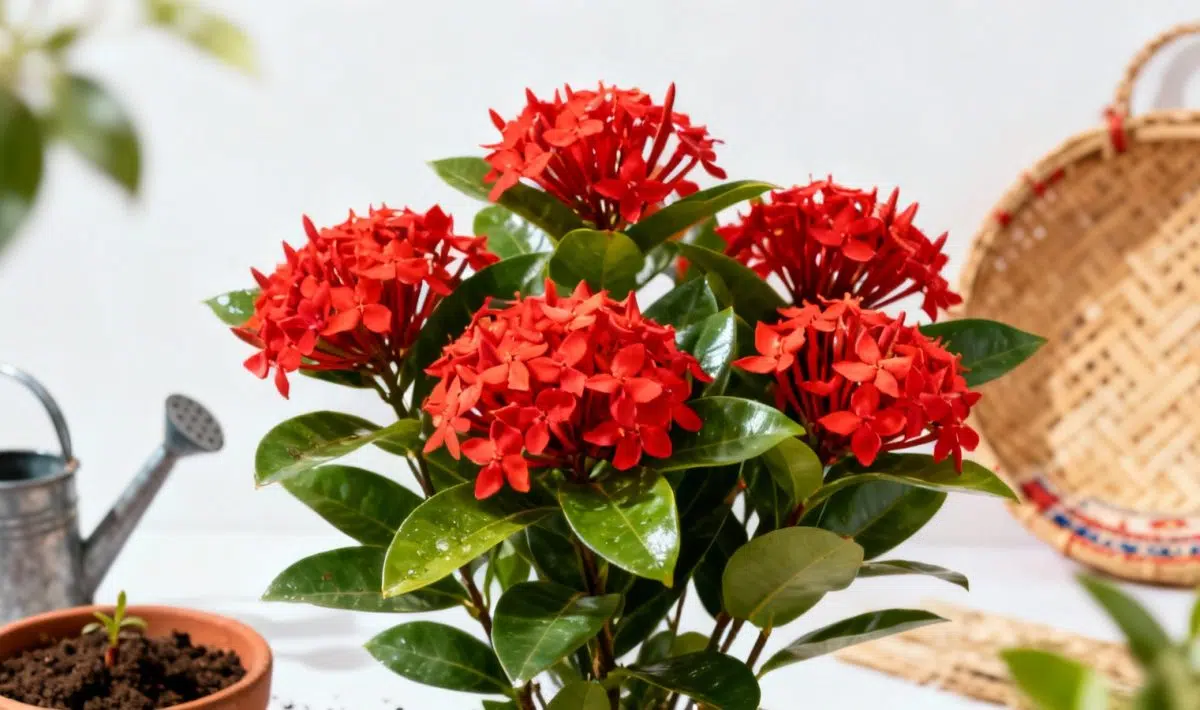
The flame of the woods presents itself as a compact evergreen shrub that typically reaches 3 to 6 feet in height when fully mature. Its glossy, dark green leaves provide a perfect backdrop for the show-stopping flower clusters. The leaves are oval-shaped, measuring about 2 to 4 inches long, with a leathery texture that helps the plant retain moisture.
The most striking feature of this plant is undoubtedly its flowers. These blooms appear in dense, rounded clusters called corymbs, typically measuring 2 to 4 inches across. Each individual flower has four petals and creates a tubular shape that’s particularly attractive to butterflies and hummingbirds. The classic red variety is the most common, though orange and yellow cultivars also exist.
During peak blooming season, the entire plant becomes covered in these brilliant clusters. The flowers have a subtle, sweet fragrance that adds another layer of appeal to their visual beauty. Much like care tips for common lantana plants, proper attention to growing conditions ensures continuous flowering throughout the warm months.
Essential care requirements for healthy growth
Successful cultivation of the flame of the woods begins with understanding its basic needs. This tropical native thrives in warm, humid conditions and requires consistent attention to several key factors. Temperature plays a crucial role, as the plant cannot tolerate frost or prolonged exposure to temperatures below 50°F.
Light requirements are particularly important for optimal flowering. These plants need at least 4 to 6 hours of direct sunlight daily to produce their best flower display. However, in extremely hot climates, some afternoon shade can prevent leaf scorch and stress.
Soil conditions significantly impact plant health and flowering potential. Well-draining, slightly acidic soil with a pH between 5.5 and 6.5 provides the ideal growing medium. The soil should remain consistently moist but never waterlogged, as soggy conditions can lead to root rot.
Watering and nutrition management
Proper watering practices are essential for maintaining healthy flame of the woods plants. During the growing season, these plants require regular, deep watering sessions. The soil should be allowed to dry slightly between waterings, but never completely. A good rule of thumb is to water when the top inch of soil feels dry to the touch.
Fertilization plays a vital role in promoting abundant flowering. Use a balanced, slow-release fertilizer with equal parts nitrogen, phosphorus, and potassium every 6 to 8 weeks during the growing season. Additionally, monthly applications of liquid fertilizer can boost flower production during peak blooming periods.
Micronutrients, particularly iron and magnesium, are crucial for maintaining the rich green foliage color. If leaves begin to yellow between the veins, this often indicates an iron deficiency that can be corrected with chelated iron supplements.
Propagation methods and techniques
Propagating flame of the woods can be accomplished through several reliable methods, with stem cuttings being the most popular and successful approach. The best time for taking cuttings is during late spring or early summer when the plant is actively growing.
To propagate by cuttings, select healthy, semi-hardwood stems that are 4 to 6 inches long. Remove the lower leaves and dip the cut end in rooting hormone to encourage faster root development. Plant the cuttings in a well-draining potting mix and keep them in a warm, humid environment with bright, indirect light.
Air layering provides another effective propagation method, particularly for larger, established plants. This technique involves wrapping a section of stem with moist sphagnum moss and plastic wrap until roots develop. Once roots are established, the new plant can be separated from the parent.
Similar to techniques used for growing tips for the Ti plant, maintaining consistent moisture and warmth during the rooting process significantly improves success rates.
Common challenges and solutions
Even with proper care, flame of the woods plants can encounter various issues that affect their health and appearance. Pest problems are among the most common challenges, with aphids, scale insects, and spider mites being frequent visitors. Regular inspection and early intervention with insecticidal soap or neem oil can effectively control these pests.
Fungal diseases, particularly leaf spot and powdery mildew, can occur in humid conditions with poor air circulation. Ensuring adequate spacing between plants and avoiding overhead watering helps prevent these issues. If fungal problems develop, remove affected leaves promptly and apply appropriate fungicidal treatments.
Yellowing leaves often indicate overwatering or nutrient deficiencies. Adjusting watering practices and providing appropriate fertilization usually resolves these issues. Poor flowering typically results from insufficient light or improper pruning practices.
Pruning and maintenance practices
Regular pruning keeps flame of the woods plants healthy and promotes better flowering. The best time for major pruning is late winter or early spring, just before the growing season begins. Light pruning can be performed throughout the year to maintain shape and remove spent flowers.
Deadheading, or removing spent flower clusters, encourages the plant to produce new blooms rather than setting seed. This simple practice can significantly extend the flowering period and keep the plant looking tidy. Use clean, sharp pruning shears to make cuts just above a leaf node or lateral branch.
For older plants that have become leggy or overgrown, rejuvenation pruning can restore their vigor. Cut back up to one-third of the oldest stems to ground level, allowing new growth to emerge from the base. This process may reduce flowering for one season but results in a healthier, more productive plant.
Landscape applications and design ideas
The flame of the woods serves multiple purposes in landscape design, from standalone specimens to mass plantings. Its compact size makes it suitable for foundation plantings, where it provides year-round color and structure. The bright flowers create stunning focal points in mixed borders and tropical garden settings.
Container growing opens up additional possibilities for those in cooler climates. Large pots or planters allow the plants to be moved indoors during winter months, extending their growing range significantly. This mobility also makes them excellent choices for patios, decks, and other outdoor living spaces.
When designing with flame of the woods, consider companion plants that complement their tropical appearance. Foliage plants like growing and caring for rhododendron create interesting textural contrasts, while other flowering tropicals can extend the color palette throughout the garden.
Health benefits and traditional uses
Beyond its ornamental value, the flame of the woods has a rich history of traditional medicinal applications. In various cultures, different parts of the plant have been used to address various health concerns. The leaves, flowers, and roots all contain compounds that have attracted the attention of traditional healers.
Modern research has begun to explore some of these traditional uses, investigating the plant’s potential anti-inflammatory and antioxidant properties. However, it’s important to note that any medicinal use should be approached with caution and proper guidance from healthcare professionals.
The flowers also provide benefits for local wildlife, serving as a nectar source for butterflies, bees, and hummingbirds. This makes the plant an excellent choice for pollinator gardens and wildlife-friendly landscapes.
Seasonal care considerations
Adapting care practices to seasonal changes helps ensure year-round success with flame of the woods. During spring, focus on fertilization and any necessary pruning to prepare for the upcoming growing season. This is also the ideal time for repotting container plants that have outgrown their current homes.
Summer care revolves around consistent watering and monitoring for pest issues. The hot, humid conditions that promote flowering also create favorable environments for various plant problems. Regular inspection and prompt intervention prevent minor issues from becoming major concerns.
Fall preparation includes gradually reducing fertilization and adjusting watering schedules as growth slows. For container plants that will be moved indoors, begin the transition process gradually to minimize stress. Similar to methods used for care instructions for crown of thorns, proper seasonal transitions ensure plant health throughout the year.
Troubleshooting common problems
When flame of the woods plants aren’t performing as expected, systematic troubleshooting helps identify and resolve issues quickly. Poor flowering is often the first sign that something isn’t quite right. This problem usually stems from insufficient light, over-fertilization with nitrogen, or improper pruning practices.
Leaf problems manifest in various ways, each pointing to different underlying causes. Brown leaf tips typically indicate low humidity or fluoride sensitivity, while yellow leaves with green veins suggest iron deficiency. Dropping leaves often signal watering stress or sudden environmental changes.
Growth problems can range from stunted development to excessive vegetative growth at the expense of flowers. Understanding the balance between nutrients, light, and water helps address these issues effectively. Just as with tips for caring for begonia rex, consistent care practices prevent most common problems from developing.
Advanced cultivation techniques
Experienced gardeners can explore several advanced techniques to maximize the potential of their flame of the woods plants. Grafting different varieties onto rootstock can create plants with multiple flower colors or improved disease resistance. This technique requires skill and patience but offers unique possibilities for creative gardeners.
Hydroponic cultivation presents another advanced option, particularly for those interested in year-round indoor growing. Proper nutrient solutions and environmental controls can produce exceptional flowering displays in controlled environments.
Training techniques like espalier or topiary work can transform these naturally bushy plants into artistic garden features. While challenging, these methods showcase the plant’s versatility and add unique architectural elements to landscape designs. Learning from resources about how to grow rutabaga successfully demonstrates that understanding fundamental growing principles applies across different plant types.
The flame of the woods rewards careful attention with spectacular displays of color and continuous blooms. By following proper care guidelines and understanding the plant’s basic needs, gardeners can enjoy this tropical beauty for years to come. Whether grown as a container specimen or landscape focal point, this remarkable plant brings joy and vibrant color to any setting where it thrives.
Allan is a lifelong gardening enthusiast who still gets excited when the first seedlings pop up in spring. With a deep love for nature and a hands-in-the-soil approach, he shares practical tips, plant discoveries, and clever tricks picked up over years of digging, planting, and observing. Whether you’re a new gardener or have a shed full of tools, Allan writes like a neighbor who’s always happy to swap cuttings and stories over the fence.
You can find more about Allan’s work on Malt or connect with him on LinkedIn.