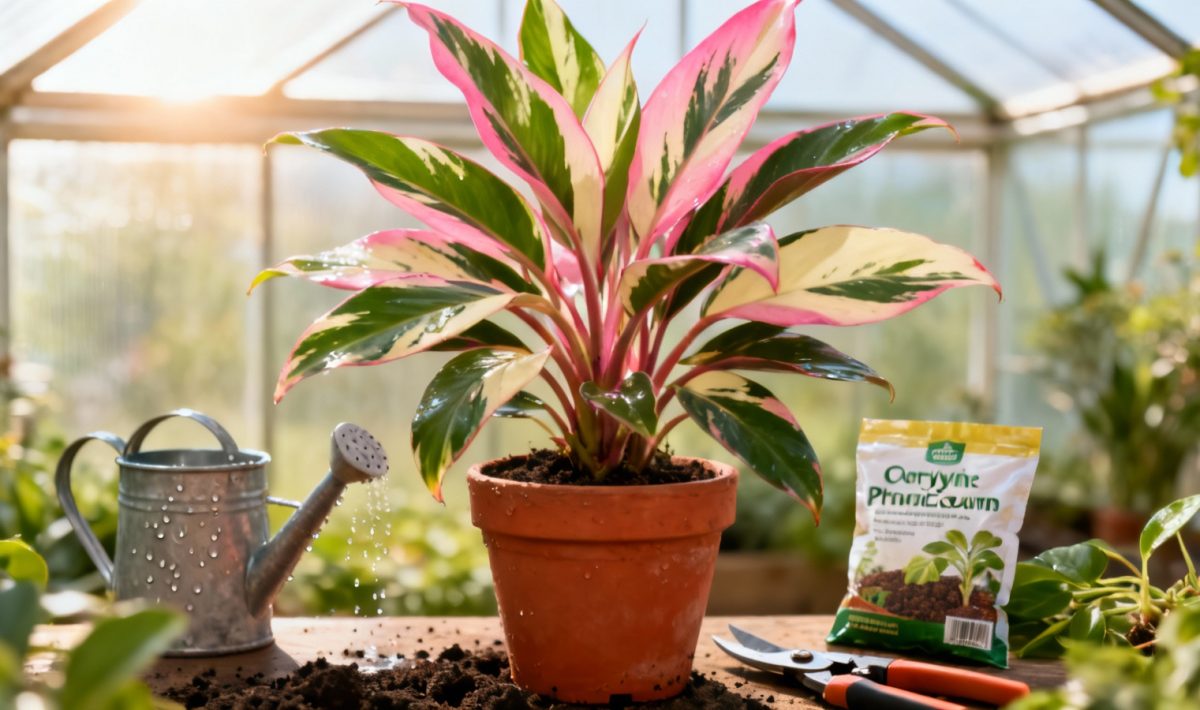
The Ti plant, scientifically known as Cordyline fruticosa, brings a splash of tropical beauty to any indoor space with its vibrant foliage and easy-going nature. Originally from Southeast Asia and Pacific islands, this stunning plant has become a favorite among houseplant enthusiasts for its dramatic sword-shaped leaves that display brilliant shades of red, pink, green, and purple.
What makes this plant particularly appealing is its adaptability to indoor conditions. Unlike many tropical species, the Cordyline fruticosa thrives in typical home environments when given proper care. The plant can reach heights of 2 to 10 feet indoors, making it perfect for creating striking focal points in living rooms or adding height to plant collections.
The colorful feuilles lose their vibrant hues in low light conditions, which is why understanding proper lumière requirements becomes essential for maintaining those gorgeous couleurs that make this plant so desirable.
Essential care requirements for Ti plant success
Light and placement needs
Your Ti plant performs best in bright, indirecte light that mimics its natural tropical habitat. Place it near an east or north-facing window where it receives plenty of filtered lumière without the harsh rays of direct soleil. Too much direct sunlight can actually fade those beautiful leaf couleurs and cause leaf burn.
If you notice the feuilles losing their vibrant tones and turning more green, this signals insufficient light. Consider moving your plant to a brighter location or supplementing with a grow light during darker months. For those growing other colorful plantes, similar principles apply, as you might find in guidelines for Begonia rex care.
Soil and potting essentials
The right sol composition makes all the difference for healthy growth. Use a well-draining terreau mix that retains some moisture but never becomes waterlogged. A combination of standard potting sol with added perlite or orchid bark creates excellent drainage while providing the nutrients your plant needs.
Choose a pot with drainage holes to prevent water accumulation at the bottom. The espace around the roots should allow for proper air circulation, which helps prevent root rot and other moisture-related problems that commonly affect indoor plantes.
Watering and humidity management
Proper arrosage technique involves keeping the sol consistently moist but not soggy. Water when the top inch of terreau feels dry to the touch, typically every 5-7 days during growing season. Always use filtered eau or rainwater when possible, as Ti plants are sensitive to fluoride found in tap water.
Humidity plays a crucial role in maintaining healthy feuillage. Aim for 50-60% humidité levels by placing a water tray near your plant or using a humidifier. During winter months when indoor air tends to be drier, this becomes even more important for preventing brown leaf tips.
Fertilization and seasonal care
Feed your Ti plant with a balanced liquid engrais diluted to half strength every 2-3 weeks during printemps and summer months. This supports robust croissance and helps maintain those vibrant leaf couleurs. Reduce feeding to monthly during fall and stop completely in winter when growth naturally slows.
Temperature consistency matters more than you might think. Keep your plant in an endroit where températures remain between 65-80°F (18-27°C). Avoid placing it near heating vents, drafty windows, or air conditioning units that create temperature fluctuations.
Just as other tropical species require consistent conditions, proper culture techniques ensure long-term success. You can find similar approaches detailed in tips for growing Platanus occidentalis, though adapted for different growing conditions.
Propagation methods for expanding your collection
Stem cutting propagation
The most reliable propagation method involves taking stem cuttings from healthy tiges during active growing season. Cut a 4-6 inch section that includes several leaf nodes, remove the lower feuilles, and place the cutting in water or moist terreau. New roots typically develop within 3-4 weeks under proper conditions.
Maintain consistent humidité and warmth during the rooting process. Cover cuttings with a plastic bag to create a mini-greenhouse effect, but ensure some air circulation to prevent mold development. Once roots reach 1-2 inches long, transplant to individual pots with well-draining sol.
Crown division technique
Mature plants often develop multiple crowns that can be carefully separated during repotting. Remove the plant from its pot, gently tease apart the root systems, and ensure each division has both roots and growing points. This method works best in printemps when plants are entering their active growth phase.
Plant each division in fresh terreau and keep soil slightly moist while new growth establishes. This technique allows you to create several new plantes from one mother plant, perfect for sharing with friends or expanding your indoor jardin collection.
Troubleshooting common problems
Identifying and solving leaf issues
Brown leaf tips often indicate low humidité, fluoride sensitivity, or inconsistent arrosage. Trim affected areas with clean scissors and adjust your care routine accordingly. If entire feuilles turn yellow and drop, this usually signals overwatering or poor drainage in the pot.
Pest problems occasionally occur, with spider mites and scale insects being the most common culprits. Regular inspection and good air circulation help prevent infestations. When problems do arise, gentle solutions work best for maintaining plant health, similar to approaches used for cultivation tips for Rhododendron ponticum.
Environmental stress indicators
Fading couleurs typically result from insufficient light, while leggy growth suggests the plant is stretching toward a light source. Adjust placement to provide optimal lumière conditions. Cold damage appears as dark, mushy spots on feuilles and requires immediate attention to prevent spread.
Understanding these signals helps maintain healthy plantes year-round. Prevention remains more effective than treatment, so consistent entretien and regular monitoring create the foundation for long-term success with your Cordyline fruticosa.
Cultural significance and varieties
The Ti plant holds special meaning in Hawaiian and Polynesian cultures, where it’s considered a symbol of bonheur and good fortune. Traditional uses include making lei, roof thatching, and food wrapping, demonstrating the plant’s cultural importance beyond ornamental purposes.
Modern cultivars offer diverse options for indoor gardeners. Popular varieties include ‘Red Sister’ with deep burgundy feuillage, ‘Tricolor’ featuring green, pink, and cream stripes, and ‘Chocolate Queen’ displaying rich brown and green tones. Each variety maintains the same basic care requirements while offering unique aesthetic appeal.
When selecting plants for your intérieur space, consider how different varieties complement your existing décor and lighting conditions. Just as you might research specific requirements for other species like care for Brassica napus cultivation, understanding variety-specific traits helps ensure optimal results.
Advanced care tips for optimal growth
Repotting becomes necessary every 2-3 years or when roots become pot-bound. Choose a slightly larger container and fresh terreau to support continued croissance. This process also provides an opportunity to inspect roots for any signs of rot or disease.
Pruning maintains shape and removes damaged feuillage. Cut back to healthy growth points using clean tools to prevent disease transmission. Regular grooming keeps your plant looking its best and encourages nouvelle growth from the base.
Seasonal adjustments in care help your Ti plant thrive year-round. During winter, reduce arrosage frequency and stop fertilizing, but maintain consistent température and humidité levels. Resume active feeding and increased watering as daylight hours extend in printemps.
For those interested in expanding their knowledge of plant culture, exploring care methods for various species can provide valuable insights. Resources like information on Rhamnus cathartica care and best practices for Vitis riparia cultivation offer different perspectives on successful plant management, though adapted for their specific growing requirements.
Allan is a lifelong gardening enthusiast who still gets excited when the first seedlings pop up in spring. With a deep love for nature and a hands-in-the-soil approach, he shares practical tips, plant discoveries, and clever tricks picked up over years of digging, planting, and observing. Whether you’re a new gardener or have a shed full of tools, Allan writes like a neighbor who’s always happy to swap cuttings and stories over the fence.
You can find more about Allan’s work on Malt or connect with him on LinkedIn.