
Understanding Lantana camara basics
Let’s dive straight into the world of Lantana camara, a vibrant flowering shrub that’s captured the hearts of gardeners worldwide. This remarkable plant, commonly known as common lantana or wild sage, brings a splash of color to any garden setting. Originally from Central and South America, this species has made its mark across tropical and subtropical zones around the globe.
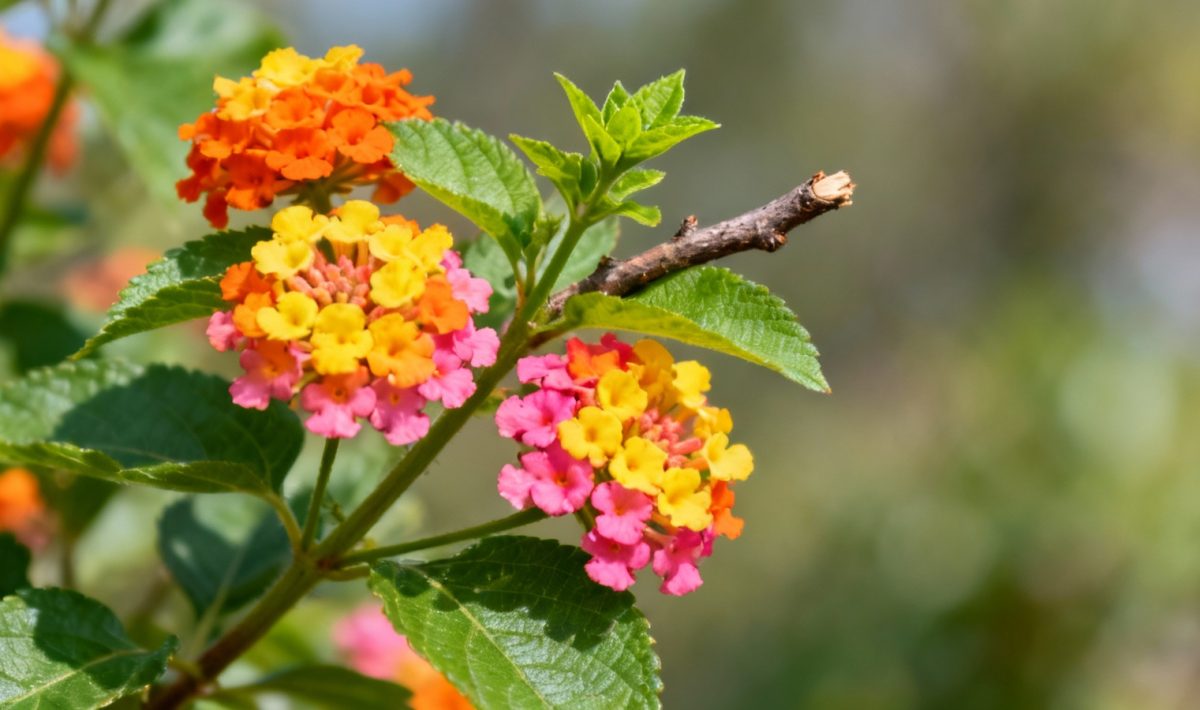
What makes this plant so special? Well, lantana produces clusters of small, tubular flowers that change color as they mature – starting yellow and deepening to orange, red, or purple. The show goes on from spring through fall, making it a fantastic choice for continuous blooms. However, it’s worth noting that while beautiful, lantana can become an invasive species in certain areas, so responsible cultivation is key.
Key characteristics of the lantana plant
Common lantana typically grows between 0.5 to 3 meters in height, forming a bushy, rounded shape. Its stems are square and slightly rough to the touch, while the leaves grow opposite each other along the branches. The foliage feels quite rough and releases a distinctive scent when crushed – some find it pleasant, others less so.
The flowers appear in flat-topped clusters called umbels, creating a stunning visual display. Each individual flower is small, but together they form impressive color combinations. After flowering, the plant produces small black berries that wildlife absolutely loves, though they’re toxic to humans and pets.
One fascinating aspect is how adaptable this plant proves to be. It thrives in various soil types and can handle drought conditions once established. This resilience makes it perfect for gardeners who want beautiful results without constant fussing.
Essential growing conditions
Getting your lantana off to a good start means understanding its basic needs. This sun-loving plant absolutely craves full sunlight – we’re talking at least 6 hours of direct sunshine daily. In shadier spots, you’ll notice fewer flowers and a more leggy appearance.
Regarding soil preferences, lantana isn’t particularly fussy. It adapts well to various soil types, from sandy to clay, as long as drainage is adequate. Poor drainage can lead to root rot, which is one of the few things that can seriously harm this tough plant. A slightly acidic to neutral pH works best, though it tolerates alkaline conditions too.
Temperature-wise, lantana loves warmth and cannot tolerate frost. In colder climates, treat it as an annual or grow it in containers that can be moved indoors during winter. The ideal growing zones are 8-11, where it can survive as a perennial.
Planting your lantana successfully
The best time for planting lantana is after the last frost date in your area, typically late spring. Choose a sunny location where the plant will have room to spread – most varieties reach 2-4 feet wide at maturity.
Preparing the planting area involves digging a hole twice as wide as the root ball but no deeper. This allows roots to spread horizontally, which they prefer to do. Mix some compost into the native soil if it’s particularly poor, but don’t go overboard – lantana actually performs better in moderately fertile rather than overly rich soil.
When placing the plant, ensure the top of the root ball sits level with the surrounding ground. Water thoroughly after planting and apply a thin layer of mulch around the base, keeping it away from the stem. Just like when you learn about caring for hollyhocks, proper initial setup makes all the difference.
Ongoing care and maintenance
Once established, lantana requires minimal care – that’s part of its charm! Watering needs are moderate; the plant prefers deep, infrequent watering rather than frequent light sprinklings. During hot summer months, weekly watering usually suffices, while in cooler periods, natural rainfall often provides enough moisture.
Fertilizing isn’t strictly necessary if your soil has decent nutrition. However, a light application of balanced fertilizer in early spring can boost flowering. Avoid high-nitrogen fertilizers, which promote leaf growth at the expense of blooms.
Deadheading spent flowers encourages more blooms and prevents unwanted self-seeding, especially important in areas where the species might become invasive. Simply pinch or cut off the old flower clusters when they start looking tired.
Pruning and shaping
Regular pruning keeps lantana looking its best and prevents it from becoming too woody. In warmer climates where it grows as a perennial, prune in late winter or early spring before new growth begins. Cut back about one-third of the previous year’s growth.
During the growing season, light trimming helps maintain shape and encourages bushier growth. Don’t be afraid to give it a good haircut – lantana responds well to pruning and will quickly produce new growth and flowers.
Propagation methods
Growing new lantana plants is surprisingly straightforward, and you have several options. Seed propagation works, though plants grown from seed may not match the parent plant exactly if you’re working with hybrid varieties.
Cutting propagation proves more reliable for maintaining specific characteristics. Take 4-6 inch softwood cuttings in late spring or early summer. Remove the lower leaves and dip the cut end in rooting hormone if desired, though it’s not essential. Plant in a well-draining potting mix and keep moderately moist until roots develop.
The process typically takes 2-4 weeks under bright, indirect light. Once rooted, gradually acclimate the new plants to outdoor conditions. Similar to techniques used when you discover buckthorn care and cultivation, patience during the establishment phase pays off handsomely.
Common varieties and their unique traits
Several popular varieties offer different growth habits and color combinations. ‘Miss Huff’ is particularly cold-hardy and produces orange-red flowers. ‘New Gold’ stays compact with bright yellow blooms, while ‘Radiation’ features vibrant red and orange flowers.
For those seeking unusual colors, ‘Lavender’ offers soft purple tones, and ‘White Lightning’ provides pristine white flowers. Trailing varieties like ‘Spreading Sunset’ work beautifully in hanging baskets or as ground cover.
When selecting varieties, consider your climate, available space, and color preferences. Some cultivars are sterile and won’t produce seeds, making them better choices in areas where invasive potential is a concern.
Dealing with potential issues
While generally trouble-free, lantana can face a few challenges. Whiteflies occasionally become problematic, especially on plants grown indoors or in greenhouses. Regular inspection and prompt treatment with insecticidal soap usually resolves the issue.
Root rot from poor drainage remains the most serious threat. Prevention through proper soil preparation and avoiding overwatering is key. If you notice yellowing leaves and stunted growth, check soil drainage immediately.
In regions where lantana has become invasive, responsible gardening practices are essential. Choose sterile cultivars when available, deadhead regularly to prevent seeding, and dispose of pruned material properly rather than composting.
Landscape uses and companion planting
Lantana’s versatility shines in various garden settings. It works beautifully in butterfly gardens, attracting numerous pollinators with its nectar-rich flowers. The plant also excels in xeriscaping projects due to its drought tolerance once established.
For container gardening, choose compact varieties that won’t outgrow their space too quickly. In mixed plantings, lantana pairs well with other heat-loving plants like pentas, vinca, and marigolds. Much like when you explore fig tree care techniques, understanding companion plants enhances overall garden success.
Consider using lantana as a low hedge or border plant, where its continuous blooming habit provides season-long color. In warmer climates, it can even serve as an informal screen when planted in groups.
Environmental considerations
While we celebrate lantana’s beauty and easy care, it’s crucial to acknowledge its potential environmental impact. In many tropical and subtropical regions, this species has escaped cultivation and established itself in natural areas, sometimes displacing native plants.
Before planting, research its status in your region. Some areas classify it as a noxious weed, while others have no restrictions. When in doubt, consult local extension services or native plant societies for guidance. Similar environmental awareness applies when you understand dandelion growth and care or work with any non-native species.
Responsible cultivation includes choosing sterile varieties when possible, preventing seed spread through regular deadheading, and being mindful of disposal methods for plant material.
Making the most of your lantana experience
Success with Lantana camara comes down to understanding its simple needs and respecting its vigorous nature. This resilient plant rewards minimal effort with maximum color, making it perfect for busy gardeners or those new to growing flowering shrubs.
Remember that each growing season brings learning opportunities. Pay attention to how your plants respond to different conditions and adjust your care accordingly. Whether you’re growing a single container specimen or establishing a colorful border, lantana’s forgiving nature makes it an excellent choice.
The key lies in starting with healthy plants, providing good drainage and full sun, then stepping back and letting nature do most of the work. Just as gardeners find out how to care for ti plants with similar success through understanding basic needs, lantana cultivation becomes second nature with experience.
With proper care and responsible cultivation practices, Lantana camara will reward you with months of vibrant blooms and the joy of watching butterflies and hummingbirds visit your garden. It’s a plant that truly embodies the principle that some of the most beautiful gardens come from understanding and working with nature rather than against it.

Allan is a lifelong gardening enthusiast who still gets excited when the first seedlings pop up in spring. With a deep love for nature and a hands-in-the-soil approach, he shares practical tips, plant discoveries, and clever tricks picked up over years of digging, planting, and observing. Whether you’re a new gardener or have a shed full of tools, Allan writes like a neighbor who’s always happy to swap cuttings and stories over the fence.
You can find more about Allan’s work on Malt or connect with him on LinkedIn.


