
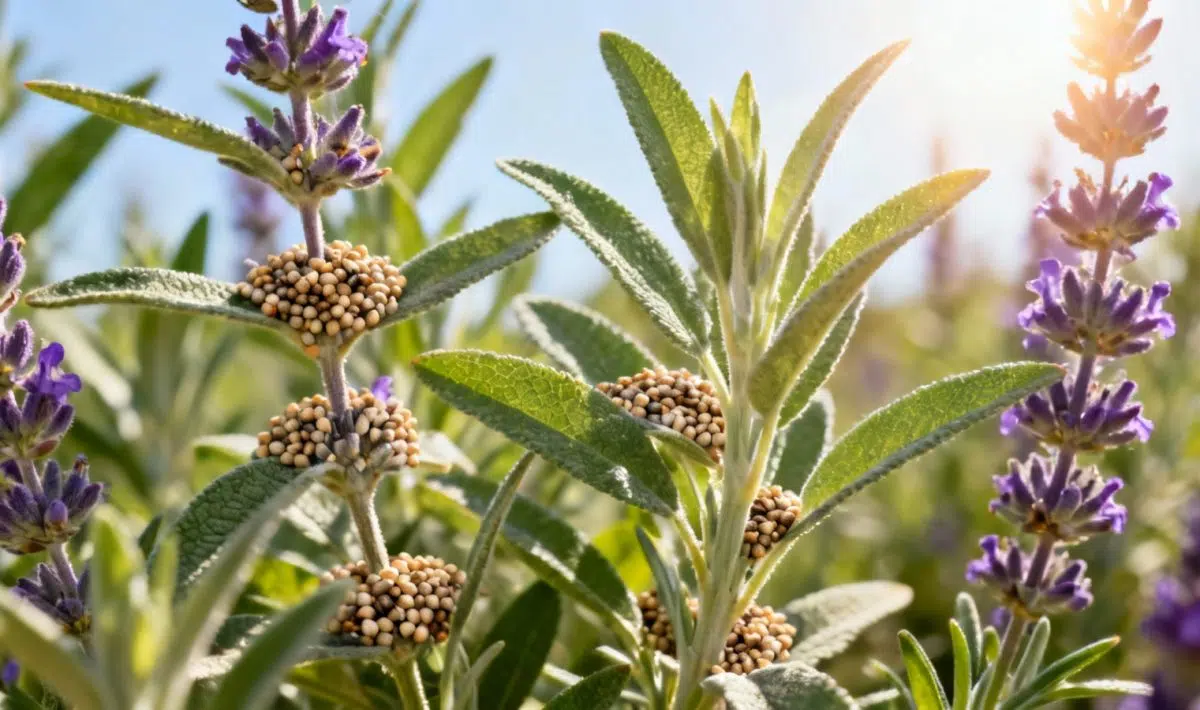
Today, let’s dive into one of the most important questions for anyone looking to grow this wonderful herb: how much sunlight does common sage need? Whether you’re planning to start from seeds or already have young plants, understanding sage’s light requirements is crucial for success. This aromatic herb has specific needs that, once met, will reward you with abundant, flavorful leaves perfect for culinary and medicinal uses.
Understanding sage’s sunlight requirements
Common sage (Salvia officinalis) is what gardeners call a sun-loving or heliophilic plant. In practical terms, this means your sage needs 6 to 8 hours of direct sunlight daily for optimal growth and development. However, the plant can tolerate a minimum of 4 to 5 hours of direct sun, though you’ll notice some differences in its performance.
When sage receives adequate sunlight, it develops that characteristic dense, silvery-green foliage we all recognize. The herb also produces higher concentrations of essential oils, which give sage its distinctive aroma and flavor. These oils are what make sage so valuable for both cooking and traditional herbal remedies.
If your sage doesn’t get enough light, you’ll quickly notice the signs. The stems become longer and weaker, a process called etiolation. The leaves may lose their vibrant color and become less aromatic. Additionally, plants grown in insufficient light are more susceptible to fungal diseases, particularly in cool, damp conditions.
Different sage varieties and their light needs
While we’re focusing on common sage, it’s worth noting that the Salvia family includes numerous varieties, each with slightly different characteristics. Common culinary sage, white sage, and other varieties all share similar sunlight requirements. These plants evolved in Mediterranean climates where bright, direct sunlight is abundant for most of the year.
When choosing seeds or plants, consider that heirloom varieties often maintain the same traditional light requirements as their ancestors. Modern cultivars may have slightly different tolerances, but the 6-8 hour rule remains a reliable guideline for most sage types. For gardeners interested in exploring related herbs with different light needs, you might want to learn about sunlight requirements for common mugwort as well.
Indoor growing considerations
Growing sage indoors presents unique challenges, especially regarding light exposure. A south-facing window typically provides the best natural light conditions in most homes. However, even the brightest indoor location rarely matches the intensity of direct outdoor sunlight.
If you’re starting sage from seeds indoors, consider using grow lights to supplement natural light. LED grow lights can provide the consistent, intense illumination that sage needs for healthy development. Position lights 12-18 inches above your plants and run them for 12-14 hours daily to compensate for lower light intensity.
Optimizing outdoor growing conditions
For outdoor cultivation, choose the sunniest spot in your garden. A location that receives morning sun is particularly beneficial, as it helps dry dew from the leaves, reducing the risk of fungal problems. Sage thrives in well-draining soil and can tolerate drought conditions once established, making it an excellent choice for sunny, dry areas where other herbs might struggle.
When planting sage in your garden, consider companion plants that have similar light requirements. Just as you might research healthy growth of common houseleek for succulent gardens, understanding which herbs work well together can improve your overall garden success.
The quality of sunlight matters as much as quantity. Filtered light through trees or structures doesn’t provide the same intensity as direct sun. If your only available space receives some shade, morning sun is generally more valuable than afternoon sun, especially in hot climates where intense afternoon heat might stress the plants.
Seasonal considerations and timing
Sage’s sunlight needs remain consistent throughout the growing season, but environmental factors change. During spring, when you’re likely starting seeds or transplanting, cooler temperatures mean plants can handle full sun exposure more easily. As summer heat intensifies, ensure your sage has adequate water to support its sun-loving nature.
For those interested in growing multiple herbs with varying light requirements, understanding each plant’s specific needs is essential. You might also want to explore optimal sunlight for common comfrey to create a diverse, well-planned herb garden.
Practical growing tips and techniques
Starting sage from seeds requires attention to light from the very beginning. Seeds need consistent warmth and bright light to germinate well. Once seedlings emerge, gradually increase their light exposure to prevent shock. This process, called hardening off, prepares young plants for full outdoor sun exposure.
Here are key steps for successful sage cultivation:
- Choose a location with 6-8 hours of direct sunlight
- Ensure excellent drainage to prevent root rot
- Space plants adequately for air circulation
- Water deeply but infrequently once established
- Pinch flowers to encourage leaf production
Many gardeners find success growing sage alongside other Mediterranean herbs like rosemary and thyme, which share similar light and water requirements. This approach creates an efficient, low-maintenance herb garden section. For gardeners exploring fruit cultivation as well, you might be interested in passionfruit sunlight needs for growth for a completely different but equally rewarding growing experience.
If your sage plants appear leggy or pale, insufficient light is likely the culprit. Moving containers to sunnier locations can solve this problem for potted plants. For garden-planted sage, consider removing nearby obstacles that might be casting shade or reflecting light away from your herbs.
Conversely, in extremely hot climates, some afternoon shade might actually benefit sage plants during the hottest part of summer. The key is ensuring they still receive their minimum 6 hours of direct sun, preferably in the morning and early afternoon hours.
Maximizing sage’s potential through proper lighting
Understanding how much sunlight common sage needs transforms your success rate with this valuable herb. With adequate light exposure, your sage plants will develop the robust growth, intense flavors, and aromatic qualities that make them so desirable for cooking and herbal preparations.
Remember that sage is a perennial herb in most temperate climates, meaning your investment in proper lighting conditions pays off for years. Once established in the right location, sage plants become increasingly drought-tolerant and productive, providing fresh leaves for your kitchen throughout the growing season.
Whether you’re starting from seeds or transplants, prioritizing sunlight requirements from day one sets your sage plants up for long-term success. The combination of full sun exposure, well-draining soil, and minimal water creates the Mediterranean-like conditions where sage naturally thrives.

Allan is a lifelong gardening enthusiast who still gets excited when the first seedlings pop up in spring. With a deep love for nature and a hands-in-the-soil approach, he shares practical tips, plant discoveries, and clever tricks picked up over years of digging, planting, and observing. Whether you’re a new gardener or have a shed full of tools, Allan writes like a neighbor who’s always happy to swap cuttings and stories over the fence.
You can find more about Allan’s work on Malt or connect with him on LinkedIn.


