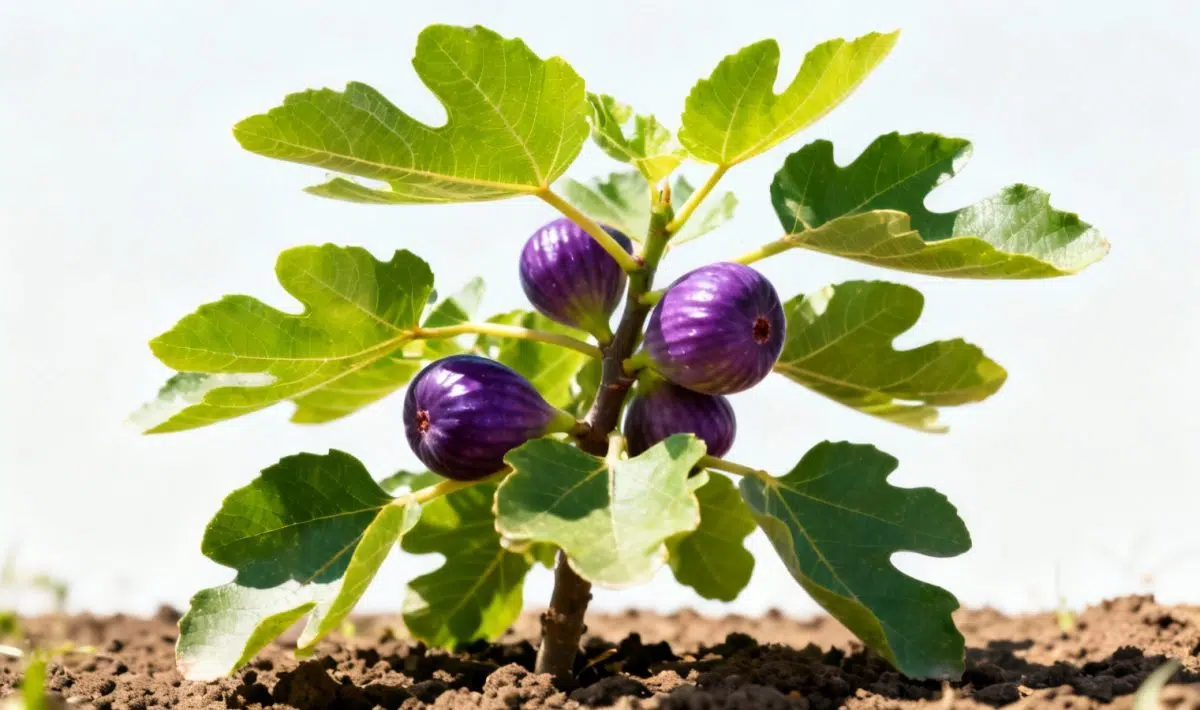
How much sunlight does common fig need for optimal growth and fruit production
Growing a healthy fig tree in your garden starts with understanding one fundamental requirement: how much sunlight does common fig need? As someone who has cultivated these remarkable fruit trees for years, I can tell you that getting the light conditions right makes all the difference between a thriving plant that produces sweet, juicy fruits and one that struggles to grow.
Understanding the common fig’s sunlight requirements
The common fig (Ficus carica) is a sun-loving tree that originated in the Mediterranean region. This heritage means it has evolved to thrive in bright, sunny conditions with plenty of direct light throughout the day. For optimal growth and fruit production, your fig tree needs at least 6 hours of direct sunlight daily, though 8-10 hours is even better.
When selecting a spot for your fig plant, think about the sun’s path across your garden throughout the day. The tree performs best with morning sun that continues well into the afternoon. This extended exposure helps the plant photosynthesize efficiently, supporting both healthy foliage growth and the development of those delicious fruits we all love.
Optimal light conditions for fruit production
The quality and quantity of sunlight directly impacts fruit development in fig trees. With adequate sun exposure, the fruits develop better flavor, higher sugar content, and reach proper maturity. Trees grown in full sun typically produce larger, sweeter figs compared to those in partial shade.
During the growing season, consistent sunlight helps regulate the tree’s internal processes. The flowers that eventually become fruits need this energy to develop properly. Without sufficient light, you might notice smaller fruits, delayed ripening, or even fruit drop before they mature.
Signs your fig tree needs more sunlight
Recognizing when your fig tree isn’t getting enough sun is crucial for maintaining its health. Insufficient light manifests in several ways that are relatively easy to spot once you know what to look for.
One of the first symptoms you’ll notice is leggy growth with longer spaces between leaves. The plant stretches toward available light sources, creating weak, elongated branches. Additionally, leaf color may appear pale or yellowish rather than the rich green typical of healthy fig trees.
Impact on fruit development
Poor light conditions significantly affect fruit production and quality. Trees that don’t receive adequate sunlight often produce fewer fruits, and those that do develop may remain small and lack sweetness. Some fruits might drop prematurely, never reaching maturity.
The timing of fruit ripening also becomes irregular with insufficient light. Rather than a steady harvest throughout the season, you might experience sporadic fruiting or fruits that take much longer to ripen than expected.
Choosing the perfect location for your fig tree
Selecting the right spot in your garden requires careful consideration of several factors beyond just sunlight hours. While researching optimal conditions for different plants, I’ve found that understanding light requirements helps with various species – for instance, learning about sunlight requirements for common mugwort demonstrates how different plants have unique needs.
Position your fig tree where it will receive morning sun and continue getting light throughout most of the day. South-facing locations typically provide the most consistent sunlight, though southwest-facing spots can work well too. Avoid areas that become shaded by buildings, fences, or other trees during peak daylight hours.
Avoiding common placement mistakes
Many gardeners underestimate how shadows change throughout the seasons. What seems like a sunny spot in winter might become partially shaded when nearby deciduous trees leaf out in spring. Consider the mature size of surrounding plants and structures when planning your fig tree’s location.
Also, be mindful of reflected heat from walls or paved surfaces. While fig trees love warmth, excessive heat combined with intense reflected sunlight can stress the plant, especially in very hot climates.
Seasonal considerations for fig tree care
The sun’s intensity and duration change throughout the year, and your fig tree’s needs adjust accordingly. During spring and early summer, when the tree is actively growing and developing fruits, maximum sunlight exposure becomes particularly important.
In regions with very hot summers, some afternoon shade during the hottest part of the day (typically 2-4 PM) can actually benefit the tree by preventing heat stress. However, this should be limited shade that doesn’t reduce the overall daily light hours below the minimum requirements.
Just as different plants have varying light needs – similar to how sunlight needs of common houseleek differ from trees – fig trees maintain their high light requirements throughout the growing season.
Winter light considerations
Although fig trees enter dormancy during winter in temperate climates, they still benefit from available sunlight. This helps maintain the tree’s overall health and prepares it for vigorous spring growth. In areas with mild winters, some varieties may even continue producing fruits.
For potted fig trees that you move indoors during cold weather, place them near the brightest available window. While they can tolerate reduced light during dormancy, some exposure helps prevent the complete weakening of the plant.
Maximizing sunlight exposure in your garden
Sometimes garden constraints mean your ideal sunny spot isn’t available, but several strategies can help maximize light exposure for your fig tree. Pruning nearby plants to reduce shading, using reflective mulches, or even relocating other garden elements can make a significant difference.
If space is limited, consider growing your fig tree in a large container that you can move to follow the sun throughout the day. This works particularly well for smaller varieties and gives you complete control over light exposure. Understanding light requirements for various plants helps with garden planning – for example, knowing about optimal sunlight for common comfrey can help you organize your garden layout effectively.
Supporting healthy growth with proper care
While sunlight is crucial, combining it with proper watering, soil conditions, and nutrition creates the best environment for your fig tree. Well-draining soil that retains some moisture works best, as waterlogged conditions can stress the plant even with perfect lighting.
Regular watering during dry periods becomes especially important for trees in full sun, as increased light exposure also means increased water needs. Mulching around the base helps retain soil moisture while keeping roots cool during hot, sunny days.
Troubleshooting common sunlight-related issues
Even with careful planning, you might encounter challenges with your fig tree’s light exposure. New construction, growing trees, or changes in your garden can alter sunlight patterns over time. Regular observation helps you identify and address these issues before they significantly impact your tree’s health.
If you notice declining vigor or reduced fruit production in an established tree, evaluate whether changes in the surrounding environment have affected light availability. Sometimes simple adjustments like pruning competing vegetation can restore adequate sunlight. Garden planning involves understanding various plant needs – just as sunlight requirements for passionfruit plants inform their placement, fig trees need specific consideration.
For trees that can’t be moved and are receiving insufficient light, focus on optimizing other growing conditions. Excellent soil drainage, appropriate fertilization, and careful pruning can help compensate somewhat for reduced sunlight, though full sun remains ideal.
When to consider relocation
Young fig trees can often be successfully transplanted if their current location proves inadequate for proper growth. The best time for relocation is during dormancy, typically late fall or early spring before new growth begins.
Mature trees are more challenging to move, but it’s sometimes worth the effort if poor light conditions are severely limiting their productivity. Consider whether improving the existing site might be easier than relocation – removing competing plants or structures that cast shade could provide a simpler solution.
Maximizing your fig harvest through proper light management
Understanding how much sunlight your common fig needs sets the foundation for successful cultivation and abundant harvests. With at least 6-8 hours of direct sunlight daily, proper placement, and attention to seasonal changes, your fig tree can become a productive centerpiece in your garden.
Remember that different plants throughout your garden will have varying light requirements – from understanding preferred sunlight for common dogwood to managing your fig tree’s needs. The key is creating a garden layout that accommodates each plant’s specific requirements while maximizing the use of available sunlight.
With proper attention to light conditions and complementary care practices, your fig tree will reward you with years of healthy growth and delicious fruit production. The investment in getting the sunlight conditions right from the start pays dividends in both plant health and harvest quality throughout the tree’s productive life.
Allan is a lifelong gardening enthusiast who still gets excited when the first seedlings pop up in spring. With a deep love for nature and a hands-in-the-soil approach, he shares practical tips, plant discoveries, and clever tricks picked up over years of digging, planting, and observing. Whether you’re a new gardener or have a shed full of tools, Allan writes like a neighbor who’s always happy to swap cuttings and stories over the fence.
You can find more about Allan’s work on Malt or connect with him on LinkedIn.