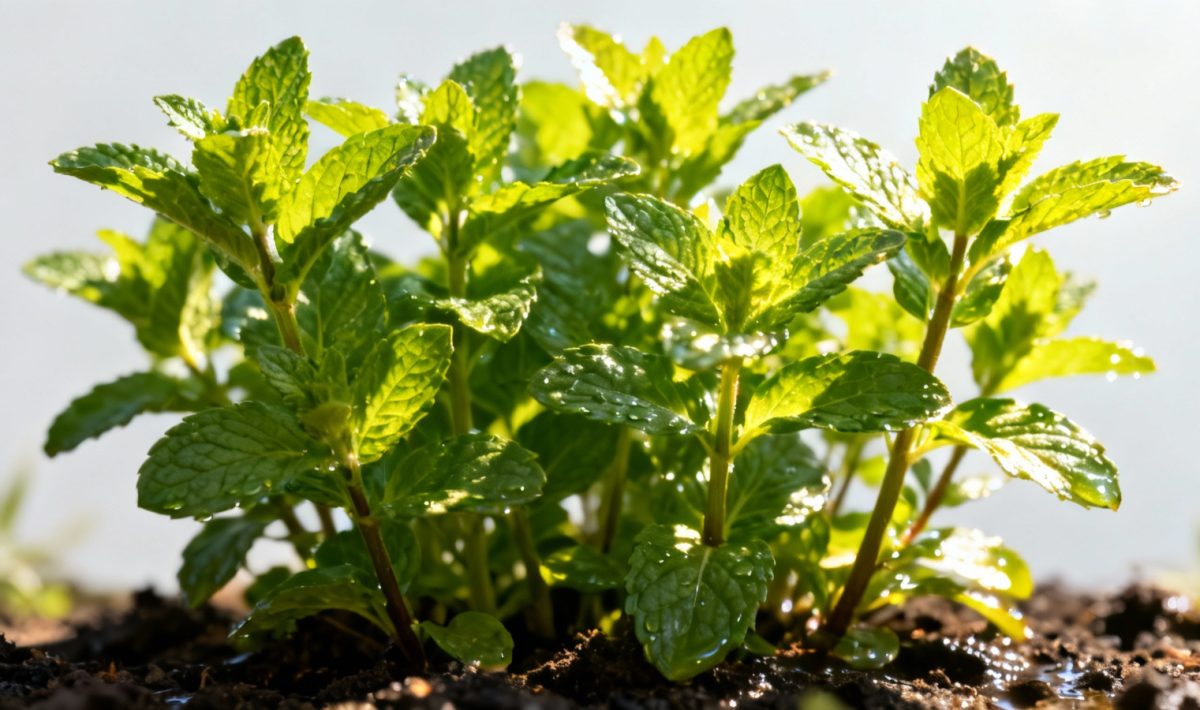
How much sunlight does peppermint need for optimal growth and aromatic leaves
Growing peppermint successfully starts with understanding its sunlight requirements. This aromatic herb thrives when given the right amount of daily light exposure, directly impacting the quality of leaves and overall plant health. Whether you’re planning to grow mint in your garden or considering purchasing quality seeds, knowing how much sunlight does peppermint need will set you up for success.
Peppermint plants perform best with 6 to 8 hours of direct sunlight daily. This optimal exposure promotes vigorous growth and enhances the production of essential oils that give mint its distinctive refreshing aroma. The herb belongs to the aromatic plants family and requires full sun conditions for perfect development, though it can tolerate some partial shade.
When peppermint receives adequate sunlight, the leaves develop their characteristic dark green color with hints of purple on the stems. However, insufficient light exposure can lead to pale, elongated growth and reduced oil production. The type of light exposure directly affects both the plant’s appearance and its culinary uses in teas and other applications.
Signs your peppermint needs more sunlight
Plants that don’t receive enough daily light often display telltale signs of stress. Yellowing leaves are among the first indicators that your mint herb isn’t getting sufficient exposure. Additionally, you might notice slower growth rates and weaker stems that struggle to support the plant’s weight.
Another clear sign is when leaves lose their intense green coloration and appear washed out. The aromatic quality also diminishes significantly when peppermint grows in inadequate light conditions. These symptoms can help you determine if you need to relocate your plants to a sunnier spot in your garden.
Comparing light needs with other herbs
While peppermint requires substantial sunlight, it’s worth noting that different plants have varying requirements. For instance, understanding sunlight requirements for creeping bellflower can help you plan companion planting strategies. Each variety of mint and garden plants has specific needs that influence their placement and care routines.
Optimal soil conditions for peppermint growth
Beyond sunlight, the soil plays a crucial role in successful mint cultivation. Peppermint thrives in well-draining, fertile soil with a pH between 6.0 and 7.0. The herb prefers soil that retains moisture without becoming waterlogged, making regular watering essential during dry periods.
Good drainage prevents root rot, a common problem when growing mint in containers or garden beds. Adding organic matter to your soil improves both drainage and nutrient content, supporting healthy germination if you’re starting from seeds. The combination of proper soil and adequate sunlight creates ideal growing conditions for robust plants.
Preparing the perfect growing environment
When planning your mint garden, consider factors beyond just light exposure. Soil preparation should include testing drainage by digging a hole and filling it with water. If water drains within a few hours, your soil has adequate drainage for mint cultivation.
Temperature also affects how well peppermint utilizes available sunlight. The herb grows best in moderate temperatures between 65°F and 75°F. In regions with intense summer heat, providing afternoon shade can prevent stress while still meeting the plant’s daily light requirements.
Growing peppermint from seeds to harvest
Starting peppermint from seeds requires attention to both light and moisture during germination. Seeds need consistent moisture and warm conditions, typically germinating within 7 to 14 days when kept at around 70°F. Once seedlings emerge, gradually increase their sun exposure to build tolerance.
Young plants benefit from morning sunlight and protection from harsh afternoon rays initially. As they establish stronger root systems, you can move them to full sun locations. This gradual adaptation prevents shock and promotes healthy development throughout the growing season.
Maintenance and care tips
Regular pruning encourages bushy growth and prevents peppermint from becoming leggy. Pinch off flower buds to direct energy into leaf production, especially if you’re growing mint primarily for culinary uses. The herb responds well to this treatment with increased leaf production and enhanced flavor concentration.
Just as different plants have unique needs, knowing about giant onion sunlight needs can inform your overall garden planning. Understanding various plant requirements helps create a well-balanced garden ecosystem where each plant receives appropriate care.
Maximizing peppermint’s aromatic qualities
The aromatic compounds that make peppermint valuable for teas and cooking develop most fully under optimal sunlight conditions. Plants receiving adequate daily light produce higher concentrations of menthol and other essential oils. This makes proper light exposure crucial for both recreational and commercial growers.
Harvesting at the right time also impacts quality. The best time to collect leaves is in the morning after dew has evaporated but before the day becomes too hot. This timing preserves the maximum amount of essential oils and ensures the most refreshing flavor for your culinary creations.
Uses for homegrown peppermint
Fresh peppermint leaves excel in making herbal teas, adding natural flavor without artificial additives. The herb also works wonderfully in both sweet and savory dishes, from refreshing summer drinks to Mediterranean cuisine. Growing your own ensures you always have access to the freshest, most aromatic leaves possible.
Many gardeners discover that homegrown mint surpasses store-bought varieties in both flavor intensity and versatility. When you control the growing conditions, including sunlight exposure, you can achieve restaurant-quality herbs right in your own garden space.
Common challenges and solutions
One frequent issue gardeners face is peppermint’s tendency to spread aggressively. While this vigor indicates healthy plants receiving adequate sunlight, it can overwhelm other garden plants if not managed properly. Consider using containers or installing root barriers to control expansion.
Another challenge involves balancing sunlight with water requirements. Peppermint needs consistent moisture, especially during hot, sunny days. Mulching around plants helps retain soil moisture while allowing them to benefit from full sun exposure throughout the growing season.
Seasonal considerations
Understanding seasonal light changes helps optimize peppermint care year-round. During shorter winter days, plants may require supplemental lighting if grown indoors. Summer growth periods demand careful attention to watering as increased sunlight also means higher water consumption.
Similar to how sunlight for common yew in gardens varies seasonally, mint plants adapt to changing light conditions throughout the year. Monitoring these changes helps ensure consistent growth and production.
Advanced growing techniques
Experienced gardeners often use succession planting to ensure continuous harvests. By starting new seeds every few weeks during the growing season, you can maintain a steady supply of young, tender leaves. This technique works particularly well when combined with proper sunlight management.
Container growing offers excellent control over both soil conditions and light exposure. You can move potted peppermint to follow optimal sunlight throughout the day or season. This flexibility proves especially valuable in regions with variable weather patterns or limited garden space.
For those interested in expanding their knowledge about plant light requirements, learning about optimal sunlight for tree of heaven provides insights into how different species adapt to various lighting conditions. This broader understanding enhances overall gardening success.
Conclusion
Successfully growing peppermint depends heavily on providing 6 to 8 hours of daily sunlight exposure. This aromatic herb rewards proper care with abundant, flavorful leaves perfect for teas, cooking, and other culinary applications. By understanding both light requirements and complementary care practices, you can cultivate thriving mint plants that enhance your garden and kitchen.
Remember that quality seeds, proper soil preparation, and consistent care work together with adequate sunlight to produce the best results. Whether you’re a beginning gardener or experienced grower, paying attention to these fundamental requirements will help you achieve the refreshing, aromatic mint harvest you desire.
Allan is a lifelong gardening enthusiast who still gets excited when the first seedlings pop up in spring. With a deep love for nature and a hands-in-the-soil approach, he shares practical tips, plant discoveries, and clever tricks picked up over years of digging, planting, and observing. Whether you’re a new gardener or have a shed full of tools, Allan writes like a neighbor who’s always happy to swap cuttings and stories over the fence.
You can find more about Allan’s work on Malt or connect with him on LinkedIn.