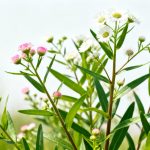
Green foxtail cultivation: characteristics and sustainable growing methods
Green foxtail (Setaria viridis) represents a fascinating opportunity for sustainable agriculture, particularly as researchers explore its potential reintroduction in European farming systems. This resilient millet species offers numerous ecological benefits while requiring minimal inputs, making it an attractive option for environmentally conscious growers seeking diverse crop rotations.
Understanding green foxtail characteristics and botanical features
The green foxtail belongs to the Poaceae family and presents distinctive morphological traits that make identification straightforward. This annual summer grass typically reaches heights between 15 to 115 centimeters, displaying smooth, hollow stems that support light green, hairless leaves measuring 1.5 to 12 inches in length.
The most recognizable feature remains its characteristic foxtail-shaped seed head, composed of flattened spikelets surrounded by distinctive bristles. These bristles, measuring 5 to 10 millimeters long, give the plant its common name and serve crucial functions in seed dispersal. As with other grasses like those discussed in care for common coleus plants, understanding plant structure helps optimize cultivation practices.
Traditional agriculture has long recognized various forms of millet cultivation, with Setaria species playing important roles in subsistence farming across different continents. The genetic diversity within Setaria viridis offers numerous possibilities for selective breeding and adaptation to specific climatic conditions.
Optimal growing conditions and soil requirements
Successful green foxtail cultivation begins with understanding its environmental preferences. This adaptable species thrives in well-drained soils with pH levels ranging from 6.0 to 7.5, though it demonstrates remarkable tolerance for various soil conditions including poor or marginal lands unsuitable for conventional crops.
Water requirements remain modest compared to many traditional cereals, making green foxtail particularly valuable in regions experiencing water scarcity. The plant demonstrates excellent drought tolerance once established, typically requiring 300-400 millimeters of annual precipitation or equivalent irrigation. Similar to the water-efficient approaches used when growing common persimmon trees, minimal intervention often produces optimal results.
Temperature preferences favor warm growing seasons, with optimal germination occurring at soil temperatures between 15-20°C. The species shows good heat tolerance but requires protection from late frosts, particularly during early growth stages. Full sun exposure maximizes photosynthetic efficiency and promotes healthy development.
Soil preparation and amendments
Proper soil preparation enhances establishment success significantly. Begin by testing soil pH and nutrient levels, then incorporate organic matter such as well-aged compost or manure at rates of 2-3 tons per hectare. Unlike heavy-feeding crops, green foxtail requires modest fertilization, typically responding well to balanced applications of nitrogen, phosphorus, and potassium.
Propagation methods and seeding techniques
Green foxtail propagation occurs exclusively through sexual reproduction via seeds, as the species does not propagate vegetatively like some other grasses. Seed quality plays a crucial role in establishment success, with fresh seeds typically showing germination rates exceeding 85% under optimal conditions.
Direct seeding represents the most practical approach for field cultivation. Sow seeds at depths of 6-12 millimeters in fine, firm seedbeds during late spring when soil temperatures consistently exceed 15°C. Seeding rates typically range from 8-12 kilograms per hectare, depending on intended use and growing conditions. Much like the precision required when caring for Japanese pieris plants, attention to detail during establishment pays dividends later.
Row spacing should accommodate intended management practices, with 15-20 centimeter spacing suitable for most applications. Wider spacing may be appropriate for areas with limited rainfall or when intercropping with other species.
Germination and early growth management
Seeds typically germinate within 5-10 days under favorable conditions. Maintain consistent soil moisture during the first three weeks while avoiding waterlogged conditions that promote fungal diseases. Young seedlings benefit from protection against weed competition through mechanical cultivation or appropriate herbicide applications.
Cultural practices and maintenance throughout the growing season
Green foxtail requires minimal maintenance once established, making it particularly suitable for low-input agricultural systems. Regular monitoring helps identify potential issues early, though serious problems remain relatively uncommon with this hardy species.
Fertilization needs remain modest, with nitrogen applications typically ranging from 40-80 kilograms per hectare depending on soil fertility and production goals. Apply fertilizer in split applications, providing initial nutrition at seeding and supplemental feeding during active growth periods. Just as guidelines for golden pothos care emphasize balanced nutrition, avoiding excessive feeding promotes healthier plants.
Weed management becomes critical during early growth stages when competition significantly impacts establishment. Mechanical cultivation works effectively between rows, while hand weeding may be necessary within rows during the first month after emergence.
Pest and disease management
Green foxtail demonstrates natural resistance to many common agricultural pests and diseases, reducing reliance on chemical interventions. However, monitoring for aphids, armyworms, and occasional fungal infections helps prevent potential problems from escalating.
Ecological benefits and sustainable agriculture applications
The ecological advantages of green foxtail cultivation extend far beyond simple crop production. This species provides valuable wildlife habitat, supporting beneficial insects and small mammals while contributing to overall biodiversity enhancement on agricultural lands.
Its deep root system improves soil structure and helps prevent erosion, particularly valuable on sloping terrain or areas prone to wind damage. The plant’s ability to thrive on marginal lands offers opportunities for productive use of areas unsuitable for conventional crops. Similar to approaches discussed when exploring tips for garlic mustard care, working with natural plant characteristics often produces superior results.
Carbon sequestration potential makes green foxtail particularly attractive for climate-conscious farming operations. Studies indicate significant soil organic matter improvements following millet cultivation, contributing to long-term soil health and productivity.
Harvest timing and post-harvest handling
Proper harvest timing maximizes both yield and grain quality. Monitor seed development closely, harvesting when seeds reach physiological maturity but before excessive shattering occurs. This typically occurs 90-120 days after seeding, depending on variety and growing conditions.
Early morning harvest often minimizes seed loss, as lower humidity reduces shattering. Use combine harvesters with appropriate screen sizes to separate seeds effectively while minimizing damage. Post-harvest drying to moisture levels below 14% ensures safe storage and prevents mold development.
Storage and utilization options
Properly dried and cleaned seeds store well for extended periods when kept in cool, dry conditions. Potential uses include livestock feed, wildlife food plots, and emerging markets for human consumption as interest in ancient grains continues growing.
Research continues exploring value-added processing opportunities, from flour production to potential industrial applications. Much like how to care for Dieffenbachia requires understanding multiple growth phases, successful green foxtail production benefits from comprehensive planning spanning seeding through final utilization.
The revival of green foxtail cultivation represents an exciting opportunity for sustainable agriculture development. Its combination of ecological benefits, low input requirements, and adaptability to challenging growing conditions positions this species as a valuable addition to diverse farming systems seeking environmental and economic sustainability.
Allan is a lifelong gardening enthusiast who still gets excited when the first seedlings pop up in spring. With a deep love for nature and a hands-in-the-soil approach, he shares practical tips, plant discoveries, and clever tricks picked up over years of digging, planting, and observing. Whether you’re a new gardener or have a shed full of tools, Allan writes like a neighbor who’s always happy to swap cuttings and stories over the fence.
You can find more about Allan’s work on Malt or connect with him on LinkedIn.