
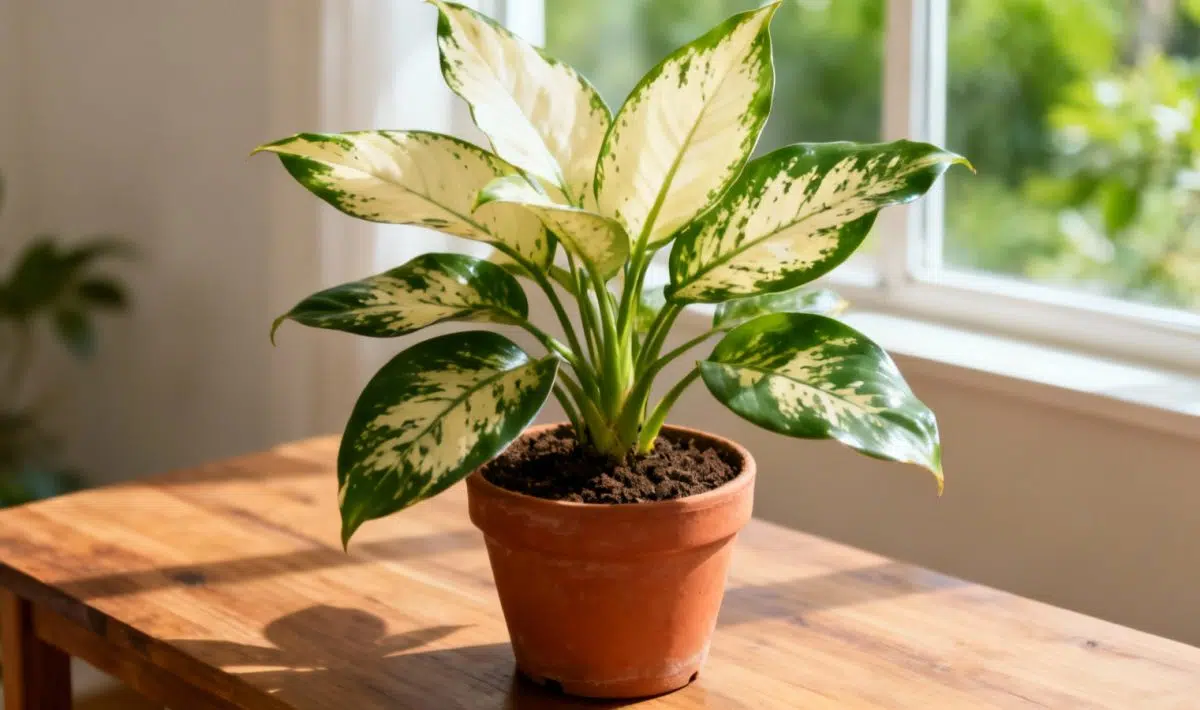
The Dieffenbachia seguine, commonly known as dumb cane, stands out as one of the most rewarding houseplants you can grow. With its stunning variegated feuilles and impressive size, this tropical beauty transforms any intérieur space into a lush paradise. However, many plant enthusiasts struggle with keeping their Dieffenbachia thriving, often due to misunderstanding its specific care requirements.
Understanding your Dieffenbachia seguine
Originally from Central and South America, the Dieffenbachia has adapted beautifully to indoor living. This plante can reach heights of 3-5 feet indoors, developing a thick tige that supports large, dramatic feuilles patterned with cream and green markings. The growth rate is surprisingly fast during warm months, making it an excellent choice for those wanting quick results.
What makes this plante special is its ability to purify indoor air while adding tropical flair to your home. The broad feuillage acts as natural air filters, removing toxins and increasing humidité levels. Keep in mind that all parts of the Dieffenbachia are toxic if ingested, so placez it away from children and pets.
The root système of your Dieffenbachia is relatively compact but efficient. Healthy racines appear white and firm, spreading throughout the pot to anchor this substantial plante. When choosing the right pot, ensure it has proper drainage holes to prevent water accumulation around the racines.
Optimal growing conditions
Lumière requirements play a crucial role in maintaining vibrant feuillage patterns. Your Dieffenbachia thrives in bright, indirecte lumière but struggles in direct soleil, which can scorch the delicate feuilles. East or north-facing windows provide ideal exposure, filtering harsh rays while delivering sufficient brightness for healthy croissance.
Température consistency matters significantly for these tropical plantes. Maintain indoor températures between 65-75°F year-round, avoiding sudden temperature fluctuations that stress the plante. Cold drafts from air conditioning or heating vents can cause feuilles to yellow and drop, so choose your placement carefully.
Just as you might research tips for caring for persimmons for outdoor gardening, understanding indoor plant needs requires attention to environmental factors. Humidité levels around 40-50% keep your Dieffenbachia comfortable, though it adapts to typical household conditions reasonably well.
Watering and soil essentials
Proper arrosage technique prevents most Dieffenbachia problems. Check the top inch of sol weekly – when it feels dry to touch, it’s time for thorough arrosage. Pour eau slowly until it drains from the bottom holes, then empty the saucer after 30 minutes to prevent root rot.
Overwatering kills more Dieffenbachia plantes than underwatering. Yellow feuilles often indicate excessive moisture around the racines, while brown leaf edges suggest insufficient eau. During winter months, reduce arrosage frequency as growth slows and the plante requires less moisture.
The ideal substrat combines drainage with moisture retention. Mix standard potting sol with perlite or bark chips to create a well-draining medium. This combination allows racines to access eau while preventing waterlogged conditions that lead to rot.
Fertilizing your Dieffenbachia
Regular feeding supports robust croissance and maintains vibrant feuillage colors. Apply balanced liquid engrais monthly during spring and summer, diluting it to half strength to avoid burning the racines. Similar to how you might approach how to care for golden pothos, consistent but gentle nutrition works best.
Organic engrais options include compost tea or fish emulsion, which provide slow-release nutrients without chemical buildup in the sol. Reduce or eliminate fertilizing during fall and winter when the plante enters its dormant period.
Common problems and solutions
Yellowing feuilles rank as the most frequent concern among Dieffenbachia owners. This issue typically stems from watering problems – either too much or too little eau. Examine the racines if yellowing persists; healthy ones appear white and firm, while rotted racines turn black and mushy.
Brown leaf tips usually indicate low humidité or fluoride sensitivity from tap eau. Switch to filtered or distilled eau for arrosage, and increase ambient humidité using a pebble tray or room humidifier. These simple adjustments often resolve the problem within weeks.
Pest issues occasionally affect indoor Dieffenbachia plantes. Spider mites thrive in dry conditions, while scale insects attach to tige and feuilles. Regular inspection helps catch problems early – much like the preventive care you’d give to care tips for catnip plants or other houseplants.
Repotting guidelines
Rempotage becomes necessary every 1-2 years as your Dieffenbachia outgrows its current pot. Choose a container only 1-2 inches larger in diameter to prevent excessive sol moisture retention. Spring offers the best timing for rempotage when active croissance begins.
Signs indicating rempotage needs include racines growing through drainage holes, extremely rapid soil drying, or stunted growth despite good care. Fresh substrat revitalizes the plante and provides space for continued développement.
Propagation methods
Stem cutting propagation offers the most reliable method for expanding your Dieffenbachia collection. Cut 4-6 inch sections from healthy tige growth, ensuring each piece contains at least one node. These cuttings root readily in eau or moist potting mix.
For water propagation, placez cuttings in clean eau and change it every few days to prevent bacterial growth. Racines typically develop within 2-3 weeks, after which you can transplant to sol. This method allows you to monitor root development clearly.
Alternatively, plant cuttings directly in moist substrat, covering the node area completely. Maintain consistent humidité and warm températures around 70-75°F for optimal rooting success. The approach mirrors techniques used for common lantana care advice regarding propagation timing and conditions.
Division technique
Mature Dieffenbachia plantes often develop multiple stems from the base, making division possible during rempotage. Carefully separate rooted sections, ensuring each division has adequate racines and healthy growth points. This method instantly creates multiple plantes from one parent.
Treat newly divided plantes gently for several weeks, maintaining higher humidité and avoiding direct lumière while they establish. The recovery period typically lasts 4-6 weeks, during which new growth indicates successful establishment.
Long-term care strategies
Regular maintenance keeps your Dieffenbachia looking spectacular year after year. Wipe feuilles monthly with a damp cloth to remove dust and improve light absorption. This simple task also allows you to inspect for early signs of pest or disease problems.
Pruning maintains size and shape while encouraging bushier growth. Remove yellowing or damaged feuilles at their base using clean scissors. Top-heavy plantes benefit from cutting back the main tige, which stimulates lateral branching and creates a fuller appearance.
Consider rotating your plante weekly to ensure even lumière exposure on all sides. This practice prevents lopsided growth and maintains the balanced appearance that makes Dieffenbachia such an attractive intérieur accent. Just as you’d provide consistent care for guide to caring for ti plants, regular attention ensures long-term success with your Dieffenbachia seguine.

Allan is a lifelong gardening enthusiast who still gets excited when the first seedlings pop up in spring. With a deep love for nature and a hands-in-the-soil approach, he shares practical tips, plant discoveries, and clever tricks picked up over years of digging, planting, and observing. Whether you’re a new gardener or have a shed full of tools, Allan writes like a neighbor who’s always happy to swap cuttings and stories over the fence.
You can find more about Allan’s work on Malt or connect with him on LinkedIn.


