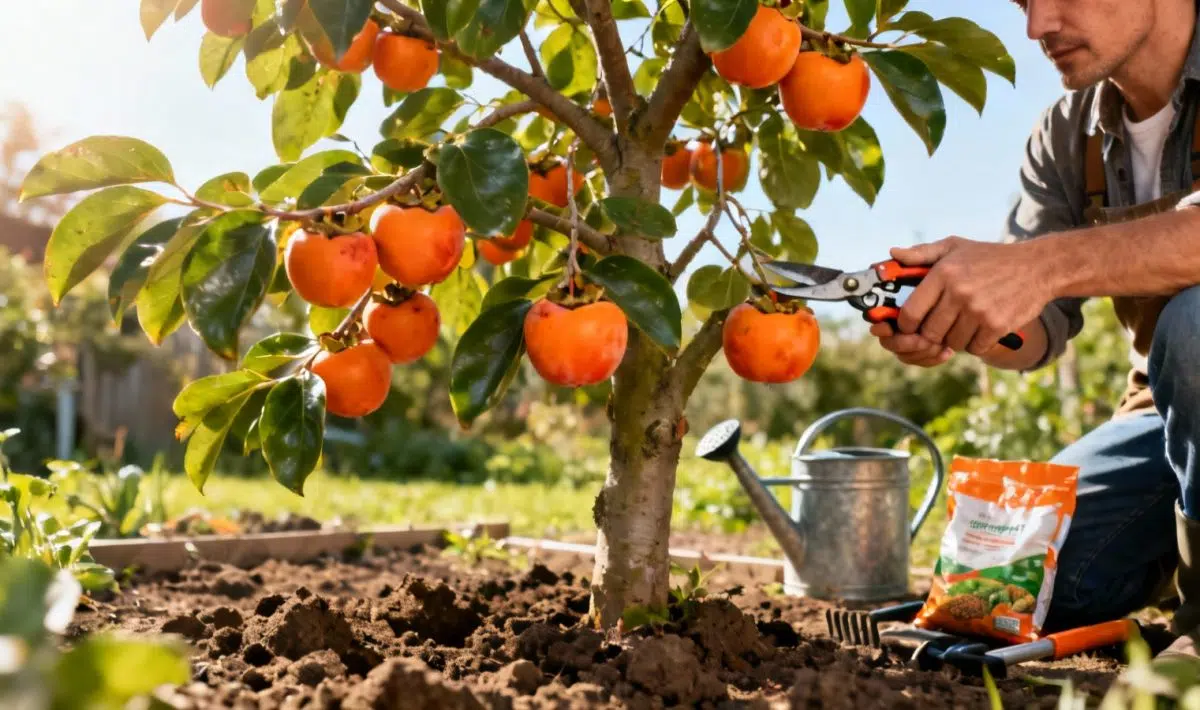
Common persimmon care: characteristics, culture and propagation tips
The Common Persimmon (Diospyros virginiana) stands as one of North America’s most rewarding native fruit trees. With its sweet, honey-like fruits and remarkable adaptability, this hardy tree has been cherished for centuries. Whether you’re looking to add a productive fruit tree to your landscape or simply want to explore native species cultivation, understanding the ins and outs of persimmon care will help you succeed.
The Common Persimmon, also known as American persimmon or plaquemine, naturally grows throughout the eastern United States. In its native habitat, this impressive tree can reach heights of up to 60 feet, though cultivated specimens typically stay between 20-40 feet tall. The tree develops a distinctive oval crown that spreads 20-25 feet wide, making it an excellent shade tree as well as a fruit producer.
What makes this species particularly interesting is its dioecious nature. This means you’ll find separate male and female trees, and while female trees can produce fruit without a male nearby, having both sexes ensures better pollination and seed development. The bark develops a characteristic dark gray, blocky pattern as the tree matures, creating visual interest throughout the year.
Fruit characteristics and varieties
Common persimmon fruits are smaller than their Asian cousins, typically measuring 1-2 inches in diameter. These orange to reddish-brown fruits contain a sweet, almost date-like flesh when fully ripe. However, timing is everything with persimmons – unripe fruits contain high levels of tannins that create an intensely astringent sensation in your mouth.
Several improved cultivars have been developed over the years. ‘Meader’ produces large, sweet fruits and shows good cold tolerance. ‘Early Golden’ ripens earlier in the season, while ‘John Rick’ offers exceptional flavor and productivity. When selecting varieties, consider your local climate and desired harvest timing.
Optimal growing conditions for Diospyros virginiana
Common persimmons thrive in USDA hardiness zones 4-9, demonstrating remarkable cold tolerance for a fruit tree. These adaptable trees prefer full sun exposure but will tolerate partial shade, though fruit production may decrease in shadier locations. Well-draining soil is essential, as persimmons don’t appreciate waterlogged conditions.
Soil pH should ideally range between 6.0-7.5, though persimmons can adapt to slightly more acidic or alkaline conditions. The tree develops a deep taproot system, making it naturally drought-tolerant once established. This characteristic also means persimmons can access nutrients and water from deeper soil layers than many other fruit trees.
Planting techniques and spacing
When planting your persimmon tree, timing matters significantly. Late fall through early spring provides the best establishment period, allowing the root system to develop before summer heat stress. Dig a hole twice as wide as the root ball but no deeper than the original soil line on the trunk.
Space trees 20-25 feet apart to accommodate their mature spread. If you’re planting multiple trees for fruit production, remember to include at least one male tree for every 6-8 female trees. The male trees don’t need to be immediately adjacent – they can be effective pollinators from distances up to several hundred feet.
Care and maintenance practices
Young persimmon trees benefit from regular watering during their first two growing seasons. Apply water slowly and deeply, encouraging the development of that characteristic deep root system. Once established, these trees become remarkably self-sufficient, requiring supplemental watering only during extended drought periods.
Fertilization needs are generally minimal for persimmons. A balanced fertilizer applied in early spring can boost growth in young trees, but mature specimens rarely need additional feeding. Over-fertilization can actually reduce fruit quality and make trees more susceptible to pest issues.
Pruning should focus on developing a strong central leader and removing any damaged, diseased, or crossing branches. Late winter provides the best timing for major pruning work. Similar to how to care for hollyhocks, persimmons respond well to thoughtful, minimal intervention rather than heavy pruning.
Harvesting and fruit maturity
Patience becomes crucial when harvesting persimmons. The fruits typically ripen in late fall, often after the first frost. Fully ripe persimmons feel soft to the touch and may even fall naturally from the tree. At this stage, the astringent compounds have broken down, revealing the fruit’s characteristic sweetness.
You can harvest slightly underripe fruits and allow them to finish ripening indoors. Place them in a paper bag with a ripe banana or apple – the ethylene gas will speed the ripening process. Properly ripened persimmons can be eaten fresh, dried, or used in various culinary applications.
Propagation methods
Common persimmons can be propagated through several methods, each with its own advantages. Seed propagation offers the most natural approach, though resulting trees may not match the parent’s characteristics exactly. Fresh seeds germinate best after experiencing a cold stratification period of 60-90 days.
For maintaining specific cultivar characteristics, grafting provides the most reliable results. Whip grafting or cleft grafting work well with persimmons, typically performed in late winter or early spring. The process requires patience, as persimmons can be slower to establish graft unions compared to other fruit trees.
Root cuttings offer another propagation option, particularly useful for establishing new trees identical to the parent. Take cuttings from pencil-thick roots during the dormant season, and plant them in well-draining potting mix. Much like tips for caring for common lantana, successful propagation relies on providing consistent moisture without overwatering.
Pollination considerations
Understanding persimmon pollination helps ensure good fruit production. While female trees can set fruit without pollination, these fruits typically lack seeds and may be smaller than pollinated ones. Cross-pollination between different cultivars often produces the best results, both for fruit size and tree health.
Native bees and other insects handle most pollination duties naturally. Encouraging beneficial insects in your garden supports not only persimmon production but also benefits other plants. Consider planting companion species that bloom at different times to maintain pollinator habitat throughout the growing season, similar to strategies used with guidelines for common yarrow care.
Common challenges and solutions
Persimmon trees face relatively few serious pest or disease issues compared to many other fruit trees. However, some challenges can arise. Persimmon psylla can cause leaf curling and yellowing, while scale insects occasionally attack the bark. Regular monitoring and prompt treatment with horticultural oil usually resolve these issues effectively.
Fruit drop can concern new growers, but it’s often a natural thinning process. Trees typically drop excess fruits in early summer, retaining only what they can properly mature. Adequate water during fruit development helps minimize stress-related fruit drop.
Weather extremes pose the greatest challenges. Late spring frosts can damage young flowers, while extended drought stress can reduce fruit quality. Providing wind protection for young trees and maintaining consistent soil moisture during critical periods helps mitigate these issues. Understanding these challenges parallels information on common buckthorn care, where environmental adaptation plays a key role.
Long-term tree health
Maintaining persimmon tree health over the long term requires attention to several factors. Soil health remains paramount – adding organic matter annually helps maintain soil structure and fertility. Mulching around the base conserves moisture and suppresses weeds, but keep mulch several inches away from the trunk to prevent pest harboring.
Regular inspection for signs of stress, disease, or pest activity allows for early intervention when needed. Much like maintaining other long-lived plants such as best practices for golden pothos care, consistent observation and gentle care produce the best long-term results.
With proper care and patience, Common Persimmon trees provide decades of enjoyment. Their combination of ornamental value, wildlife benefits, and delicious fruit makes them an excellent choice for sustainable landscaping. Whether you’re establishing a small home orchard or adding diversity to larger plantings, these remarkable native trees offer both practical and aesthetic rewards that improve with age.
Allan is a lifelong gardening enthusiast who still gets excited when the first seedlings pop up in spring. With a deep love for nature and a hands-in-the-soil approach, he shares practical tips, plant discoveries, and clever tricks picked up over years of digging, planting, and observing. Whether you’re a new gardener or have a shed full of tools, Allan writes like a neighbor who’s always happy to swap cuttings and stories over the fence.
You can find more about Allan’s work on Malt or connect with him on LinkedIn.