
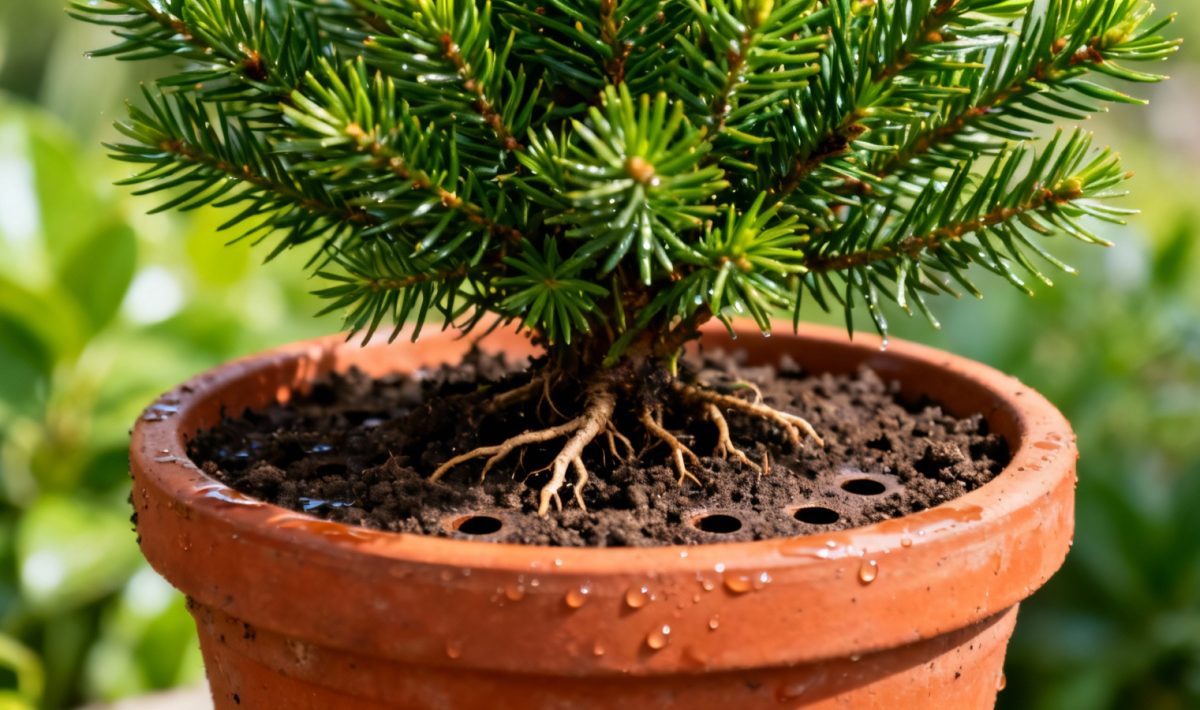
Caring for your common yew (Taxus baccata) doesn’t have to be complicated, but getting the watering right can make all the difference between a thriving tree and one that struggles. Understanding how often should you water your common yew depends on several factors that we’ll explore together. These hardy evergreens are actually quite forgiving once you understand their natural preferences.
Understanding your yew’s water needs throughout the seasons
Your common yew has different water requirements as the year progresses, much like how our own needs change with the weather. During spring, when new growth emerges, your tree will appreciate consistent moisture to support those fresh green shoots. The awakening root system becomes more active, drawing water to fuel the year’s development.
Summer brings the challenge of hot, dry periods that can stress even established yews. While mature trees are remarkably drought-tolerant, they’ll benefit from deep watering during extended dry spells. Think of it as giving your tree a good drink rather than frequent sips – this encourages deeper root growth and better resilience.
As autumn arrives, your yew begins preparing for winter’s dormancy. Watering should gradually decrease, allowing the tree to naturally slow its growth and harden off for the cold months ahead. This preparation is crucial for winter survival, especially in areas with harsh frosts.
Key factors that influence watering frequency
The substrate your yew grows in plays a massive role in determining how often you’ll need to water. Clay soils hold moisture longer but can become waterlogged, while sandy substrates drain quickly and may require more frequent attention. Well-draining soil is essential – yews absolutely hate having wet feet.
Climate conditions in your garden will dramatically affect your watering schedule. A yew growing in France might need different care than one in a drier region. Humidity levels, rainfall patterns, and temperature fluctuations all contribute to how quickly your tree uses available water.
The size and health of your tree also matter significantly. Young plants with developing root systems need more consistent moisture than established specimens. Similarly, if your yew has been recently pruned, it may need extra water to support new growth, though this should be balanced carefully to avoid overwatering.
Seasonal watering guidelines for optimal results
Spring watering should begin as temperatures consistently rise above freezing. Start with weekly deep waterings, adjusting based on rainfall and soil moisture. Check the soil about two inches down – if it feels dry, it’s time to water. This is when your yew puts on most of its annual growth.
During summer’s heat, established yews typically need water only during prolonged dry spells lasting more than two weeks. Young trees (under three years) will need more frequent attention, perhaps weekly during hot periods. Water early in the morning or late evening to minimize evaporation and stress.
Autumn watering should taper off gradually, with monthly deep waterings sufficient for most established yews. This helps them prepare for winter dormancy while ensuring they enter the cold season adequately hydrated. Stop regular watering about six weeks before your first expected frost.
Practical watering techniques that work
Deep, infrequent watering is far better than frequent shallow drinks. When you do water, give your yew a thorough soaking that reaches the entire root zone. This typically means applying water slowly for 15-20 minutes rather than a quick sprinkle.
Using a drip irrigation system or soaker hose can be incredibly effective for yews. These methods deliver water directly to the root zone without wetting the foliage, which helps prevent fungal issues. Place the irrigation around the drip line of the tree, not right at the trunk.
Mulching around your yew is one of the best investments you can make. A 2-3 inch layer of organic mulch helps retain soil moisture, regulates temperature, and gradually enriches the substrate as it decomposes. Keep mulch a few inches away from the trunk to prevent pest issues.
Recognizing when your yew needs water
Your yew will give you clear signals when it’s thirsty, but learning to read these signs takes a bit of practice. Slightly drooping branches or needles that appear dull and less vibrant can indicate water stress. However, don’t wait for these obvious signs – prevention is always better.
The finger test remains one of the most reliable methods for checking soil moisture. Push your finger into the soil near your yew’s base, about 2-3 inches deep. If the soil feels dry at this depth, it’s time to water. This simple technique works well for both container-grown and garden-planted yews.
For a more scientific approach, consider using a soil moisture meter. These inexpensive tools give you precise readings and can help you develop a better understanding of your yew’s water consumption patterns throughout different seasons and weather conditions.
Common watering mistakes to avoid
Overwatering kills more yews than drought ever will. These trees evolved in regions with well-drained soils and cannot tolerate constantly wet conditions. Root rot, caused by waterlogged soil, can quickly kill even mature specimens that have thrived for years.
Watering little and often is another common mistake that can weaken your tree over time. This practice encourages shallow root development, making your yew more susceptible to drought stress. Instead, water deeply but less frequently to encourage strong, deep root systems.
Ignoring seasonal changes in water needs can also cause problems. Many gardeners continue summer watering routines well into autumn, which can delay dormancy and make trees more vulnerable to winter damage. Similarly, as with watering tips for vibrant zinnia blooms, adapting your approach to seasonal needs ensures better plant health.
Special considerations for container-grown yews
Yews grown in pots or containers have very different water needs from those planted in the ground. Containers dry out much faster, especially during hot weather, and may need daily attention during peak summer. However, they’re also more prone to waterlogging if drainage is poor.
Choose containers with adequate drainage holes and use a well-draining potting mix designed for trees and shrubs. Avoid using garden soil in containers, as it often becomes too compacted and doesn’t drain well enough for healthy root development.
During winter, container yews need protection from both freezing and drying winds. Move them to a sheltered location if possible, and check soil moisture regularly – even dormant trees can suffer from drought stress in containers. Just as optimal watering for St. John’s Wort requires attention to container conditions, your potted yew needs consistent monitoring.
If your yew’s needles turn brown or drop excessively, investigate the root cause before adjusting your watering routine. Brown needles can indicate either drought stress or root problems from overwatering. Check the soil moisture and examine the root system if possible.
Yellowing needles often signal overwatering, especially if the soil feels soggy or has a musty smell. In this case, improve drainage around your tree and reduce watering frequency immediately. It may take several weeks or even months for your yew to recover from waterlogged conditions.
Poor growth or sparse foliage might indicate inadequate watering, but it could also signal other issues like poor soil quality or pest problems. Consider all factors before making dramatic changes to your watering routine. Much like how pomegranate watering guidelines for healthy growth emphasize balanced care, your yew benefits from a holistic approach.
Long-term water management strategies
Establishing a consistent but flexible watering routine will serve your yew well for years to come. Keep a simple garden journal noting when you water, weather conditions, and how your tree responds. This information becomes invaluable for fine-tuning your approach over time.
Consider installing rain gauges to track natural precipitation in your garden. This helps you adjust your watering schedule based on actual weather conditions rather than guessing. Many successful gardeners find that tracking rainfall helps them avoid both under and overwatering their plants.
Investing in good tools makes water management easier and more effective. A quality watering wand, moisture meter, and timer can help you maintain consistent care even during busy periods. Remember that developing good watering habits takes time, just as learning guidelines for watering scarlet-star plants requires practice and observation.
Creating the ideal growing environment
Water management extends beyond just irrigation – it includes everything that affects how your yew uses and conserves moisture. Proper planting location, soil preparation, and ongoing care all contribute to your tree’s water efficiency and overall health.
Choose a planting site with morning sun and afternoon shade if possible. This provides good light for photosynthesis while reducing afternoon heat stress that increases water consumption. Avoid low-lying areas where water might collect during heavy rains.
Soil preparation before planting sets the foundation for years of healthy growth. Amend heavy clay soils with organic matter to improve drainage, while sandy soils benefit from compost to increase water retention. This balanced approach ensures your yew can access water when needed without suffering from excess moisture. Understanding these principles helps with all plants, whether you’re learning how to water cabbage effectively or caring for ornamental trees.
Monitoring and adjusting your approach
Regular observation is key to successful yew care. Walk around your tree weekly, noting any changes in color, growth, or overall appearance. These observations help you catch problems early and adjust your care routine before serious issues develop.
Weather patterns change from year to year, so flexibility in your watering approach is essential. A particularly wet spring might require less supplemental watering, while an unusually dry autumn could necessitate additional irrigation to help your yew prepare for winter.
Don’t be afraid to experiment within reason. If your current approach isn’t giving the results you want, try adjusting timing or frequency gradually. Small changes often produce significant improvements in plant health and growth. This adaptive mindset works well for all garden plants, from learning watering Brazilian jasmine for better blooms to mastering tree care.
With patience and attention to your yew’s natural rhythms, you’ll develop an intuitive understanding of its water needs. Remember that every garden is unique, and what works perfectly for one gardener might need adjustment for another. Trust your observations, keep detailed records, and enjoy watching your common yew thrive under your attentive care.

Allan is a lifelong gardening enthusiast who still gets excited when the first seedlings pop up in spring. With a deep love for nature and a hands-in-the-soil approach, he shares practical tips, plant discoveries, and clever tricks picked up over years of digging, planting, and observing. Whether you’re a new gardener or have a shed full of tools, Allan writes like a neighbor who’s always happy to swap cuttings and stories over the fence.
You can find more about Allan’s work on Malt or connect with him on LinkedIn.


