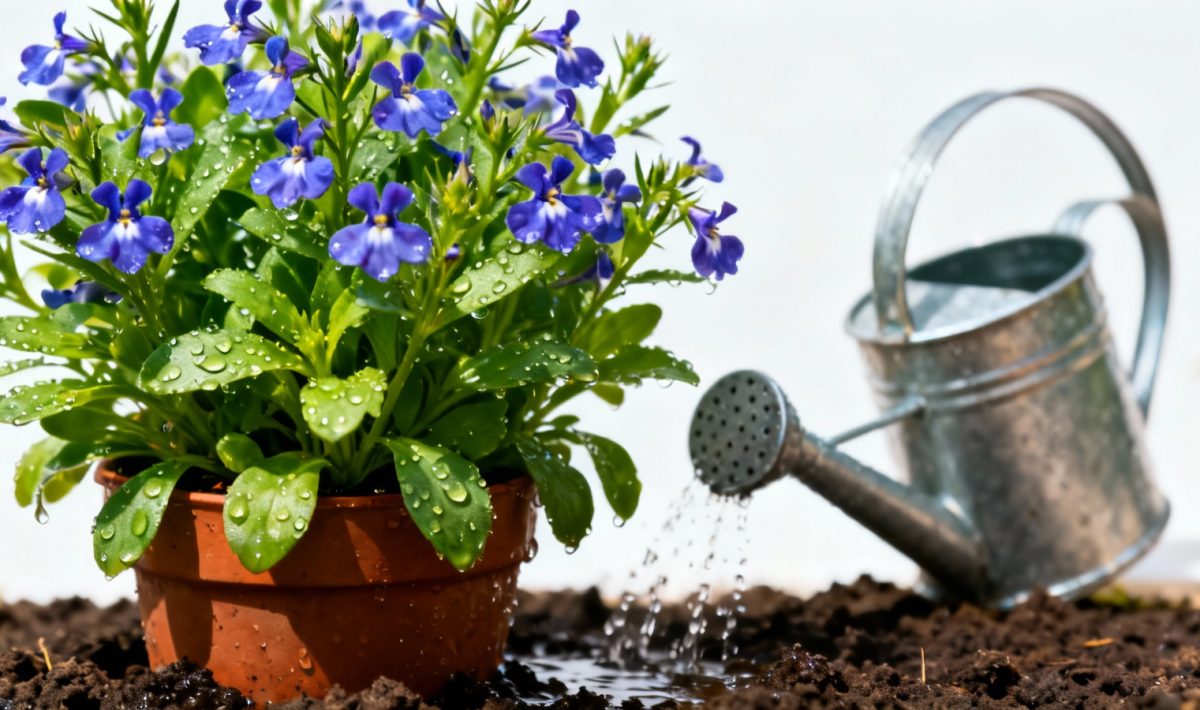
Edging lobelia (Lobelia erinus) is one of those charming annuals that can make or break your garden display based on how well you manage their watering routine. These delicate cascading flowers are absolutely gorgeous when they’re happy, but they can be quite particular about their moisture requirements. Getting the balance right between keeping the soil consistently moist and avoiding waterlogged conditions is the key to success with these beautiful plants.
The secret to thriving lobelia lies in understanding that they come from naturally moist environments. In the wild, they’re used to consistent moisture without sitting in waterlogged soil. This means your watering schedule needs to mimic these conditions as closely as possible. Too little water and you’ll see wilting and reduced flowering, while too much can lead to root rot and plant death.
Most gardening experts agree that edging lobelia performs best when the soil remains slightly damp to the touch. This doesn’t mean soggy or dripping wet, but rather that pleasant feeling when you stick your finger into good quality potting mix that’s been properly watered. The plant’s shallow root system means it depends on you for consistent moisture, especially during the growing season.
How often should you water your edging lobelia throughout the seasons
Spring brings the excitement of new growth and is when your lobelia seeds or young plants will establish their root systems. During this time, you’ll want to water every 2-3 days, checking the soil moisture regularly. The cool temperatures mean water doesn’t evaporate as quickly, so you won’t need the intensive schedule that summer demands. This is also when you’ll see the fastest growth as your plants prepare for their spectacular flower display.
Summer is absolutely the most crucial time for maintaining proper watering habits. When temperatures soar and the sun beats down relentlessly, your edging lobelia can quickly become stressed without adequate moisture. In containers, you might need to water daily or even twice daily during heat waves. For garden beds, every other day is typically sufficient, though sandy soils will require more frequent attention than heavy clay soils.
The morning glory of a well-watered lobelia garden is truly something to behold during peak summer months. However, timing your watering sessions is just as important as frequency. Early morning watering allows plants to absorb moisture before the heat of the day, while evening watering can sometimes lead to fungal issues in humid climates.
As autumn approaches and temperatures begin to cool, you can gradually reduce your watering frequency. Many gardeners find they can water every 3-4 days during fall, though you should always check soil moisture rather than following a rigid schedule. If you’re growing lobelia as an annual, this reduced watering helps prepare the plants for their natural end-of-season cycle.
Proper watering techniques for healthy growth
The method you use to water your edging lobelia is just as important as how often you do it. Deep, thorough watering encourages strong root development, while light, frequent sprinkles can actually harm your plants by encouraging shallow roots. When you water, make sure you’re getting moisture down to the root zone, which typically extends about 4-6 inches deep for these annuals.
Container growing presents its own set of challenges and opportunities. Pots and hanging baskets dry out much faster than garden beds, especially during hot weather. A good rule of thumb is to water until you see drainage coming from the bottom holes. This ensures the entire root ball has received moisture and helps flush out any accumulated salts from fertilizers.
For garden beds, soaker hoses or drip irrigation systems work wonderfully well for lobelia. These methods deliver water directly to the soil surface, minimizing water on the foliage which can sometimes lead to disease issues. If you’re hand watering, aim for the base of the plants rather than watering from above. Just like watering your Norfolk Island pine properly, consistency in your approach will yield the best results.
Recognizing when your plants need water
Learning to read your lobelia’s signals is an essential gardening skill that will serve you well beyond just this one plant. The most reliable method is the finger test – simply stick your index finger about an inch into the soil near your plants. If it feels dry at that depth, it’s time to water. If it’s still moist, you can wait another day or two.
Visual cues are also incredibly helpful once you know what to look for. Healthy, well-watered lobelia has vibrant green foliage and perky flowers that stand upright. When plants begin to show stress from lack of water, you’ll notice the leaves starting to look dull and the flowers may appear less vibrant. Severe water stress causes obvious wilting, but you don’t want to let things get that far.
The soil surface can also tell you a lot about moisture levels. Cracked, pulling-away-from-the-edges soil in containers is a dead giveaway that watering is overdue. Similarly, if your garden beds have that dusty, powdery appearance on top, it’s definitely time to get the hose out.
Special considerations for different growing situations
Growing edging lobelia in hanging baskets requires extra attention to watering schedules. These elevated containers are exposed to air movement from all sides, which accelerates moisture loss significantly. During peak summer, daily watering is often necessary, and in extremely hot, windy conditions, you might need to water twice daily. The key is checking moisture levels regularly rather than assuming a set schedule will work.
Mixed plantings can complicate your watering routine, but the principles remain the same. If you’re combining lobelia with other annuals, choose companions with similar water needs. Plants like begonias, impatiens, and petunias make excellent partners because they appreciate consistent moisture too. However, mixing them with drought-tolerant plants like portulaca or moss rose can create watering conflicts.
Climate plays a huge role in determining your watering frequency. Gardeners in humid coastal areas will typically water less frequently than those in dry, inland regions. Similarly, if you’re dealing with clay soil that holds moisture longer, you’ll water less often than gardeners working with fast-draining sandy soils. Understanding these variables helps you adapt general guidelines to your specific situation, much like how to water porcelainflowers effectively requires adjusting to local conditions.
Troubleshooting common watering problems
Overwatering is actually more common than underwatering among new gardeners. When lobelia roots sit in waterlogged soil, they can’t absorb oxygen properly, leading to root rot and plant death. Signs of overwatering include yellowing leaves, musty smells from the soil, and plants that look unhealthy despite adequate moisture. If you suspect overwatering, reduce frequency immediately and ensure your containers have adequate drainage holes.
Underwatering problems are usually easier to spot and fix. Wilted plants, dry soil, and reduced flowering are clear indicators that you need to increase your watering frequency. The good news is that lobelia can recover quite well from moderate drought stress once you resume proper watering. However, severe water stress can cause permanent damage to the root system and reduce overall plant performance.
Inconsistent watering creates its own set of problems. Plants that experience alternating periods of drought and flooding often develop weak root systems and become more susceptible to diseases. This rollercoaster watering pattern is particularly stressful during hot weather when plants are already working hard to stay cool and hydrated.
Maximizing your success with proper care
Beyond watering frequency, there are several strategies that can help you grow spectacular lobelia displays. Mulching around your garden plants helps retain soil moisture and reduces the frequency of watering needed. A thin layer of organic mulch like shredded bark or compost works well, but avoid piling it directly against plant stems to prevent rot issues.
Fertilizing goes hand in hand with proper watering for optimal results. These fast-growing annuals benefit from regular feeding throughout the growing season. A balanced, water-soluble fertilizer applied every two weeks provides the nutrients needed for continuous flowering. However, always water thoroughly after fertilizing to prevent root burn from concentrated nutrients.
Choosing the right location for your lobelia can significantly impact your watering success. These plants prefer morning sun with afternoon shade in hot climates, which helps reduce water stress during the hottest part of the day. In cooler regions, full sun locations work well and may actually require less frequent watering due to slower evaporation rates.
Proper spacing also affects watering efficiency. Plants that are crowded together compete for moisture and may require more frequent watering than those given adequate space. Good air circulation around plants also helps prevent fungal diseases that can be exacerbated by overhead watering or consistently moist conditions.
Advanced tips for experienced gardeners
Self-watering containers can be a game-changer for lobelia cultivation, especially if you travel frequently or have a busy schedule. These systems maintain consistent soil moisture levels and can significantly reduce the daily maintenance required during hot summer months. However, you’ll still need to monitor and refill the water reservoirs regularly.
Group planting with other moisture-loving species creates beneficial microclimates that can help maintain consistent soil moisture. Plants like watering gladiolus for vibrant blooms share similar needs and can be excellent companions. This companion planting approach also allows you to water multiple species efficiently with the same schedule.
Consider installing a simple drip irrigation system if you’re growing large quantities of lobelia or other moisture-loving annuals. These systems provide consistent, efficient watering and can be put on timers to maintain regular schedules even when you’re away. The initial investment pays off in water savings and improved plant health over the growing season.
Weather monitoring becomes increasingly important as you develop your watering expertise. Keeping track of rainfall amounts helps you adjust your supplemental watering accordingly. Many experienced gardeners find that investing in a rain gauge eliminates guesswork and prevents both over and underwatering situations.
Seasonal transitions and long-term success
As your growing season progresses, you’ll notice that established lobelia plants become somewhat more tolerant of brief dry periods. However, this doesn’t mean you should reduce your vigilance about monitoring soil moisture. Even mature plants perform best with consistent watering, and any stress during peak flowering season will reduce the overall display quality.
Planning for seasonal transitions helps ensure continuous success with your lobelia displays. In areas with mild winters, some gardeners treat lobelia as short-lived perennials, adjusting their watering schedules accordingly. For most gardeners growing these as true annuals, proper watering right up until the first frost ensures the longest possible flowering period.
Seed collection from well-maintained plants can provide you with material for next year’s garden. Plants that receive consistent, proper watering throughout the season produce the most viable seeds. This creates a cycle of improvement where your attention to watering details pays dividends in future growing seasons, similar to watering Tutsan for best growth for perennial success.
End-of-season care shouldn’t be neglected even though these are annual plants. Proper watering right up until plant senescence helps ensure that any nutrients stored in the plant tissues are properly recycled back into the soil. This attention to detail benefits next year’s garden and maintains the overall health of your growing environment.
Remember that developing expertise with watering schedules takes time and observation. Every garden location has unique conditions that affect how often plants need water. Keep notes about what works in your specific situation, including weather patterns, soil conditions, and plant responses. This information becomes invaluable for planning future growing seasons and troubleshooting any problems that arise.
The investment in learning proper watering techniques for edging lobelia pays dividends not just in beautiful flowers, but in developing skills that transfer to other gardening challenges. Whether you’re caring for your spearmint plants or tackling entirely different species, the principles of consistent moisture management remain fundamentally important for gardening success.
Allan is a lifelong gardening enthusiast who still gets excited when the first seedlings pop up in spring. With a deep love for nature and a hands-in-the-soil approach, he shares practical tips, plant discoveries, and clever tricks picked up over years of digging, planting, and observing. Whether you’re a new gardener or have a shed full of tools, Allan writes like a neighbor who’s always happy to swap cuttings and stories over the fence.
You can find more about Allan’s work on Malt or connect with him on LinkedIn.