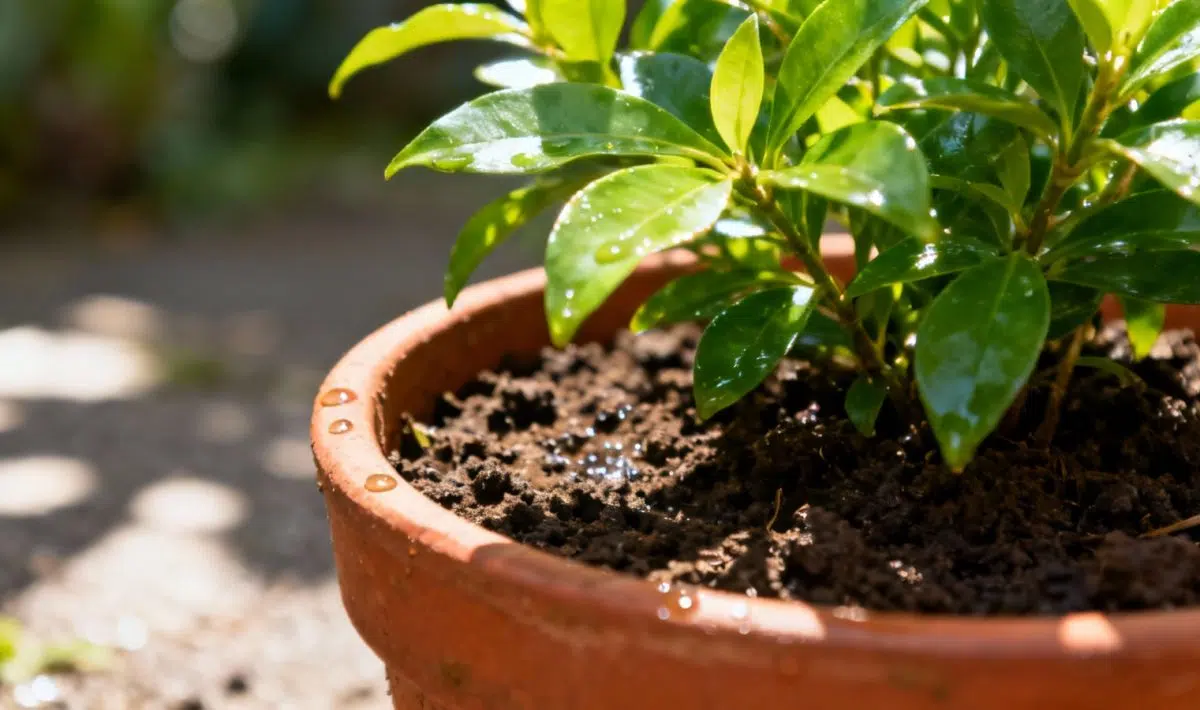
How often should you water your Tutsan for optimal growth
Watering your Tutsan (Hypericum androsaemum) correctly is essential for maintaining this beautiful ornamental plant. Unlike many garden plants that require frequent watering, Tutsan actually thrives with a more measured approach. This hardy shrub, known for its attractive red and black berries, prefers deep, infrequent watering rather than daily light sprinkles.
Tutsan is remarkably drought-tolerant once established, making it an excellent choice for gardeners seeking low-maintenance plants. The key lies in understanding that this plant develops deep root systems when watered properly. Rather than providing frequent shallow watering, focus on giving your Tutsan thorough soaks that penetrate 20-30 centimeters into the soil.
The general rule for mature Tutsan plants is to water them once or twice per week during dry periods. Each watering session should provide approximately 10-20 millimeters of water, depending on your soil type and drainage conditions. Similar principles apply to other plants, as you can see when learning about watering your Norfolk Island pine correctly.
Seasonal watering schedules for Tutsan
Spring marks the beginning of active growth for your Tutsan. During this period, increase watering frequency to support new shoot development and flowering. Water deeply once every 5-7 days, ensuring the soil remains consistently moist but never waterlogged.
Summer brings the greatest challenge, as hot weather increases water evaporation. Monitor your plant closely for signs of stress, such as wilting leaves or reduced fruit production. During heat waves, you might need to water twice weekly, always focusing on deep penetration rather than surface moisture. This approach differs from herbs like spearmint, where you can learn more about properly watering your spearmint plants.
Autumn requires a gradual reduction in watering frequency. As temperatures drop and rainfall typically increases, scale back to once weekly or even less frequently. Winter watering should be minimal, only providing water during extended dry periods when the soil becomes completely dry.
Adjusting for plant maturity
Young Tutsan plants require more frequent attention than established specimens. Newly planted Tutsan needs consistent moisture during its first growing season to develop a strong root system. Water every 3-4 days initially, then gradually extend intervals as the plant establishes itself.
Mature plants, typically those over two years old, can handle longer periods between watering. Their extensive root systems allow them to access deeper soil moisture, making them incredibly resilient during dry spells.
Effective watering techniques
The method you choose for watering your Tutsan significantly impacts its health and growth. Always water at soil level rather than overhead to prevent fungal diseases and ensure maximum water absorption. Use a soaker hose or drip irrigation system for consistent, deep watering that mimics natural rainfall patterns.
Morning watering proves most beneficial, allowing plants to absorb moisture before the day’s heat increases evaporation rates. This timing also reduces the risk of fungal problems that can occur when foliage remains wet overnight. Fruit trees face similar considerations, as detailed when learning about best practices for loquat watering.
Mulching for moisture retention
Applying mulch around your Tutsan creates significant benefits for water conservation. Organic materials like shredded bark, leaf mold, or compost help retain soil moisture while suppressing weeds that compete for water resources.
Apply a 2-3 inch layer of mulch around the base of your plant, keeping it several inches away from the stem to prevent rot issues. This simple technique can reduce watering frequency by up to 50% during dry periods.
Common watering mistakes to avoid
Over-watering represents the most frequent error gardeners make with Tutsan. Excessive moisture leads to root rot, yellowing leaves, and poor fruit development. Signs of over-watering include persistently soggy soil, fungal growth around the base, and leaves that appear yellow despite adequate nutrition.
Under-watering, while less common with drought-tolerant Tutsan, still occurs. Watch for wilting during cooler parts of the day, premature leaf drop, or reduced berry production. These symptoms indicate your plant needs more consistent moisture. Herbs like rosemary share some drought tolerance characteristics, which you can explore further in watering your rosemary for optimal health.
Soil considerations
Your soil type dramatically influences watering frequency. Sandy soils drain quickly, requiring more frequent watering sessions, while clay soils retain moisture longer but risk becoming waterlogged. Test your soil drainage by digging a hole and filling it with water – it should drain within 24 hours for optimal Tutsan growth.
Improve heavy clay soils by incorporating organic matter like compost or aged manure. For sandy soils, add moisture-retaining materials such as peat moss or coconut fiber to extend time between watering sessions.
Recognizing water stress signals
Learning to read your Tutsan’s water needs prevents both under and over-watering problems. Healthy plants display vibrant green foliage with consistent growth patterns and abundant fruit production during appropriate seasons.
Early signs of water stress include slight leaf curling during hot afternoons, which is normal, but persistent wilting indicates insufficient moisture. Conversely, yellowing leaves starting from the bottom of the plant often signal excessive watering. Evergreen trees like arborvitae show similar stress patterns, as explained in ensuring proper water for arborvitae.
Recovery from water stress requires patience and gradual adjustment. For under-watered plants, increase watering frequency slowly rather than dramatically flooding the root zone. Over-watered specimens benefit from improved drainage and reduced watering until symptoms resolve.
Special considerations for container growing
Container-grown Tutsan requires more frequent watering than garden-planted specimens. Pots dry out faster due to increased surface area exposure and limited soil volume. Check container moisture daily during hot weather, watering when the top inch of soil feels dry.
Choose containers with adequate drainage holes and use well-draining potting mix rather than garden soil. This prevents waterlogging while ensuring your plant receives sufficient moisture for healthy growth. Large trees in landscapes face different challenges, as you can discover when learning about how to water your English oak tree.
During winter, container plants need protection from freezing, which affects watering schedules. Reduce frequency significantly but never allow the soil to become bone dry, as this can damage roots during temperature fluctuations.
Creating a sustainable watering routine
Establishing a consistent watering routine helps ensure your Tutsan receives appropriate care throughout the growing season. Keep a garden journal noting watering dates, weather conditions, and plant responses to develop an understanding of your specific garden’s needs.
Consider installing rain gauges to monitor natural precipitation, adjusting your watering schedule accordingly. This approach conserves water while maintaining optimal plant health, creating a sustainable gardening practice that benefits both your Tutsan and the environment.
Allan is a lifelong gardening enthusiast who still gets excited when the first seedlings pop up in spring. With a deep love for nature and a hands-in-the-soil approach, he shares practical tips, plant discoveries, and clever tricks picked up over years of digging, planting, and observing. Whether you’re a new gardener or have a shed full of tools, Allan writes like a neighbor who’s always happy to swap cuttings and stories over the fence.
You can find more about Allan’s work on Malt or connect with him on LinkedIn.