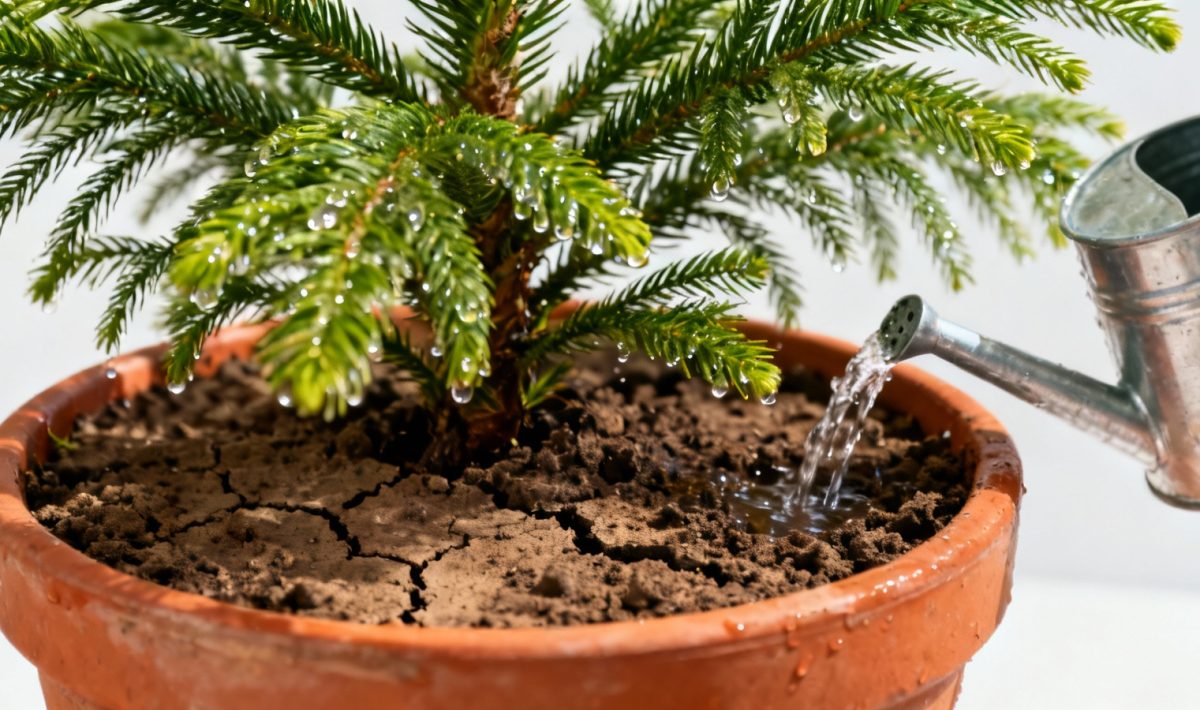
How often should you water your norfolk island pine
Keeping your Norfolk Island Pine thriving requires understanding its unique watering needs. This beautiful evergreen, native to the remote Norfolk Island National Park, has adapted to specific environmental conditions that we can replicate in our homes. The key to success lies in finding the right balance – not too much water, but not too little either.
Understanding your norfolk island pine watering needs
Norfolk Island Pines are remarkable plants with a natural ability to store water in their trunk. This adaptation allows them to survive periods of drought in their wild habitat. However, when grown indoors or in gardens, they still need consistent moisture to maintain their distinctive tiered branching pattern and vibrant green needles.
The water requirements change significantly with the seasons. During active growing periods, these plants consume more water for new growth and needle development. In contrast, dormant periods require much less moisture to prevent root rot and other water-related issues.
Seasonal watering frequency recommendations
During spring and summer months, plan to water your Norfolk Island Pine approximately twice per week. These warm seasons are when the plant experiences its most active growth phase. The soil should remain consistently moist but never waterlogged. Always check the soil moisture level before adding more water.
Winter brings a dramatic change in watering needs. Reduce your watering schedule to once weekly, or even once every two weeks depending on your home’s humidity and temperature. The plant’s metabolism slows considerably during winter, making it more susceptible to overwatering damage.
For gardeners who also care for other plants, similar seasonal adjustments apply. For instance, you might find that tips for watering your spearmint follow comparable patterns, though the specific frequency differs based on each plant’s unique requirements.
Testing soil moisture effectively
Rather than following a rigid schedule, learn to read your plant’s needs. Insert your finger into the soil about 2-3 inches deep. If the top layer feels dry but you can detect moisture below the surface, it’s time to water. This method is more reliable than calendar-based watering.
Professional gardeners often use moisture meters for precise readings. These tools can help you establish consistent patterns while avoiding the guesswork. The goal is maintaining soil that feels like a wrung-out sponge – moist but not soggy.
Consider the drainage capacity of your container or planting area. Norfolk Island Pines require excellent drainage to prevent standing water around their roots. If water pools on the surface after watering, you may need to improve your soil mixture or drainage system.
Recognizing watering problems
Overwatering is the most common mistake with Norfolk Island Pines. Watch for yellowing needles that drop from lower branches, a musty smell from the soil, or soft, darkened areas on the trunk. These symptoms indicate root rot, which can be fatal if not addressed quickly.
Underwatering presents different signs. The needles may turn brown and crispy, starting from the tips and working inward. The plant might also exhibit drooping branches or a general loss of its upright posture. Severely dehydrated plants can recover, but prevention is always better.
Just like with other evergreen species, monitoring these visual cues is essential. The watering advice for loquat trees emphasizes similar observation techniques that can be applied across different plant families.
Watering techniques that work
Water slowly and thoroughly until you see water draining from the bottom of the container. This ensures the entire root zone receives moisture. Avoid light, frequent sprinklings that only wet the surface soil – these can actually encourage shallow root development.
Use room temperature water when possible. Cold water can shock the roots, while hot water can damage delicate root hairs. If you must use tap water with high mineral content, consider letting it sit overnight to allow chlorine to evaporate.
For indoor plants, bottom watering can be particularly effective. Place the pot in a tray of water and allow the soil to absorb moisture from below. This method encourages deeper root growth and reduces the risk of fungal issues on the foliage.
Environmental factors affecting water needs
Humidity levels in your home significantly impact how often you need to water. Dry winter air from heating systems can cause plants to lose moisture more rapidly. Consider using a humidity tray or room humidifier to maintain optimal conditions.
Temperature fluctuations also affect water consumption. Plants in consistently warm rooms may need more frequent watering than those in cooler areas. However, avoid placing Norfolk Island Pines near heat sources like radiators or heating vents.
The type of container matters too. Terra cotta pots allow moisture to evaporate more quickly than plastic containers, requiring more frequent watering. Choose your container material based on your watering preferences and schedule.
Creating a comprehensive care plan
Successful Norfolk Island Pine care involves more than just proper watering. These plants benefit from regular feeding during the growing season and protection from extreme temperature changes. Integrating watering with other care practices creates the best results.
Monitor your plant’s response to your watering routine and adjust as needed. Each home environment is unique, with different light levels, humidity, and air circulation patterns. What works for one gardener may need modification for another.
Many gardeners find success by applying similar principles across their plant collection. The guidelines for watering rosemary plants share some fundamental concepts with Norfolk Island Pine care, particularly regarding the importance of soil drainage and seasonal adjustments.
Special considerations for outdoor plants
Norfolk Island Pines grown outdoors in suitable climates have different water requirements than indoor specimens. Natural rainfall may reduce or eliminate the need for supplemental watering during certain seasons. However, newly planted trees need consistent moisture to establish strong root systems.
Outdoor plants also benefit from mulching around the base to retain soil moisture and regulate temperature. Apply a 2-3 inch layer of organic mulch, keeping it away from direct contact with the trunk to prevent pest and disease issues.
Consider the natural drainage of your planting site. Areas that collect standing water after rain are unsuitable for Norfolk Island Pines. These trees prefer well-draining soil that allows excess water to move away from the root zone.
For those managing multiple tree species, understanding how different plants respond to water is valuable. The watering methods for arborvitae trees demonstrate how evergreen trees can have varying moisture requirements despite similar appearances.
Troubleshooting common watering mistakes
If you’ve been overwatering, stop immediately and allow the soil to dry out more than usual before resuming a proper schedule. Remove any affected foliage and improve drainage if possible. Recovery can take several months, so patience is essential.
For underwatered plants, gradually increase watering frequency rather than giving one large drink. The root system needs time to recover and effectively absorb moisture again. Consistent, moderate amounts work better than dramatic corrections.
Keep detailed records of your watering schedule and the plant’s response. This information becomes invaluable for fine-tuning your approach and identifying patterns that work best for your specific conditions.
Learning from experience with different plant types can improve your overall gardening skills. Whether you’re managing how to water pot marigold flowers or understanding watering frequency for sweet alyssum, the principles of observation and adjustment remain consistent across plant families.
Success with Norfolk Island Pine watering comes from understanding the plant’s natural habitat and adapting those conditions to your home environment. With proper attention to seasonal changes, soil moisture levels, and environmental factors, your Norfolk Island Pine can thrive for many years, bringing its distinctive beauty to your indoor or outdoor space.
Allan is a lifelong gardening enthusiast who still gets excited when the first seedlings pop up in spring. With a deep love for nature and a hands-in-the-soil approach, he shares practical tips, plant discoveries, and clever tricks picked up over years of digging, planting, and observing. Whether you’re a new gardener or have a shed full of tools, Allan writes like a neighbor who’s always happy to swap cuttings and stories over the fence.
You can find more about Allan’s work on Malt or connect with him on LinkedIn.