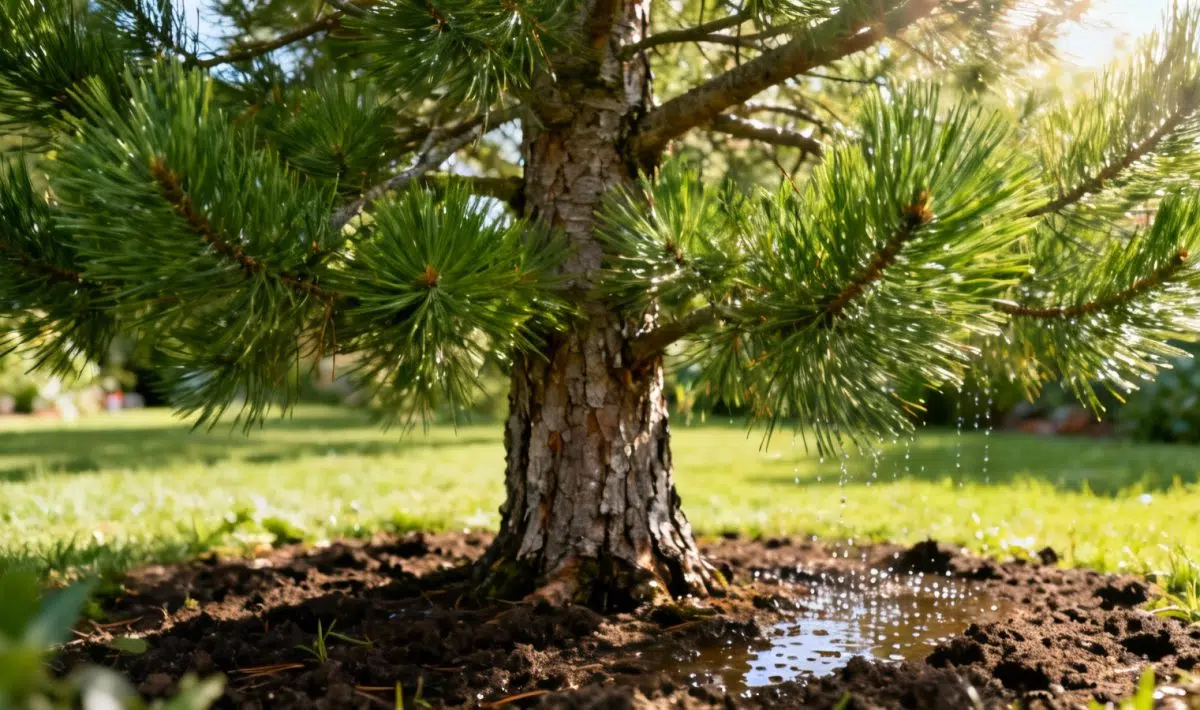
How often should you water your Eastern white pine for optimal growth
Caring for your Eastern white pine doesn’t have to be complicated, but getting the watering right is absolutely crucial for its health. These magnificent native trees from North America are surprisingly more sensitive to overwatering than drought, making proper hydration techniques essential for their survival. Understanding when and how often to water your Eastern white pine will ensure your tree thrives for years to come.
Understanding the Eastern white pine’s natural water needs
The Eastern white pine (Pinus strobus) evolved in regions with well-draining soils and moderate rainfall patterns. In its natural forest habitat, this tree develops deep root systems that can access groundwater while avoiding waterlogged conditions. The key to successful watering lies in mimicking these natural conditions where the soil remains moist but never saturated.
Native to eastern North America, white pines have adapted to survive periods of drought better than excessive moisture. Their needle-like aiguilles are designed to minimize water loss through transpiration, which means they naturally conserve moisture during dry spells. This adaptation makes them remarkably resilient once established, but it also means they can quickly develop root rot if kept too wet.
Seasonal watering schedule for how often should you water your Eastern white pine
During spring and early summer, your pine tree will need more frequent watering as it enters its active growing season. Water deeply once or twice per week, providing approximately one inch of water each time. The goal is to saturate the root zone completely, then allow the soil to dry slightly between waterings.
Summer heat increases evaporation rates, but resist the urge to water daily. Instead, check soil moisture by inserting your finger 2-3 inches deep near the tree’s base. If the soil feels dry at this depth, it’s time to water. Just like with watering tips for tomatoes in heatwaves, monitoring soil conditions prevents both drought stress and overwatering damage.
Fall and winter require significantly less water as the tree enters dormancy. Reduce watering to once every two weeks, or even less if you receive regular rainfall. During winter months, only water if you experience an unusually dry period lasting more than three weeks.
Soil conditions that affect watering frequency
The type of soil surrounding your white pine dramatically impacts how often you’ll need to water. Sandy soils drain quickly and may require more frequent watering, while clay soils retain moisture longer and need less frequent irrigation. Well-draining soil with good organic content provides the ideal balance for healthy pine growth.
Poor drainage poses the greatest threat to pine trees, as waterlogged roots quickly develop fungal infections. If your soil doesn’t drain well naturally, consider amending it with compost or creating raised beds to improve water movement. Similar attention to drainage requirements applies to other plants, such as understanding watering needs for Angel’s-wings begonias which also prefer well-draining conditions.
Testing soil moisture effectively
Before each watering session, perform a simple soil test to determine actual moisture levels. Push a long screwdriver or soil probe into the ground near your tree’s drip line. If it penetrates easily, the soil has adequate moisture. If you encounter resistance, the soil has likely dried out and needs water.
Digital soil moisture meters provide more precise readings and can help you establish consistent watering patterns. These tools are particularly useful during the first year after planting when you’re still learning your tree’s specific needs in your garden’s unique conditions.
Watering techniques for maximum effectiveness
Deep, infrequent watering produces stronger, more drought-resistant trees than frequent shallow irrigation. Apply water slowly at the base of the tree, allowing it to penetrate deeply into the soil rather than running off the surface. A soaker hose or drip irrigation system works exceptionally well for pine trees.
Focus your watering efforts on the area beneath the tree’s canopy, extending slightly beyond the drip line where feeder roots are most active. Avoid watering directly against the trunk, as this can promote disease and pest problems. The same principle applies to other garden plants that benefit from targeted watering, including optimal watering for china asters which thrive with consistent but not excessive moisture.
Mulching for moisture retention
Apply a 3-4 inch layer of organic mulch around your pine tree, keeping it several inches away from the trunk. Pine needles, wood chips, or shredded bark work excellently and gradually decompose to improve soil structure. This mulch layer reduces evaporation, moderates soil temperature, and decreases the frequency of watering needed.
Refresh your mulch annually to maintain its effectiveness and prevent it from becoming compacted. Well-maintained mulch can reduce your watering needs by up to 50% while providing additional benefits for soil health and root protection.
Recognizing signs of proper hydration
A properly watered Eastern white pine displays vibrant green aiguilles that feel firm and flexible. New growth appears regularly during the growing season, and the tree maintains its characteristic upright form. The branches should feel sturdy, and the overall appearance should be lush and healthy.
Watch for early warning signs of water stress, such as yellowing or browning needle tips, which indicate either too much or too little water. Drooping branches or premature needle drop often signal watering problems that need immediate attention. Understanding these symptoms helps you adjust your care routine, much like monitoring proper care for parlor palms where consistent observation leads to better plant health.
Adjusting care as trees mature
Young pine trees require more frequent attention during their first two years while establishing root systems. Water them twice weekly during dry periods, gradually reducing frequency as they mature. Established trees over five years old typically need watering only during extended drought conditions.
Large, mature pines develop extensive root networks that can access deep groundwater sources. These established trees become remarkably self-sufficient and may only need supplemental watering during severe drought conditions lasting more than a month. Consider the long-term growth patterns, similar to how best watering practices for Pontic rhododendron change as plants establish themselves over time.
Common watering mistakes to avoid
The most frequent error is watering too often with small amounts, which encourages shallow root growth and makes trees more susceptible to drought stress. Instead, water deeply but less frequently to promote strong, deep root development that will serve your tree throughout its long life.
Avoid watering during the hottest part of the day, as much of the water will evaporate before reaching the roots. Early morning provides the best timing, allowing water to penetrate the soil before heat and wind increase evaporation rates. Evening watering can work but may promote fungal problems if foliage remains wet overnight.
Remember that Eastern white pines are native trees adapted to natural rainfall patterns. With proper establishment care and attention to soil drainage, these magnificent trees will provide decades of beauty with minimal intervention. The key lies in understanding their natural preferences and working with, rather than against, their evolved characteristics for water management.
Allan is a lifelong gardening enthusiast who still gets excited when the first seedlings pop up in spring. With a deep love for nature and a hands-in-the-soil approach, he shares practical tips, plant discoveries, and clever tricks picked up over years of digging, planting, and observing. Whether you’re a new gardener or have a shed full of tools, Allan writes like a neighbor who’s always happy to swap cuttings and stories over the fence.
You can find more about Allan’s work on Malt or connect with him on LinkedIn.