
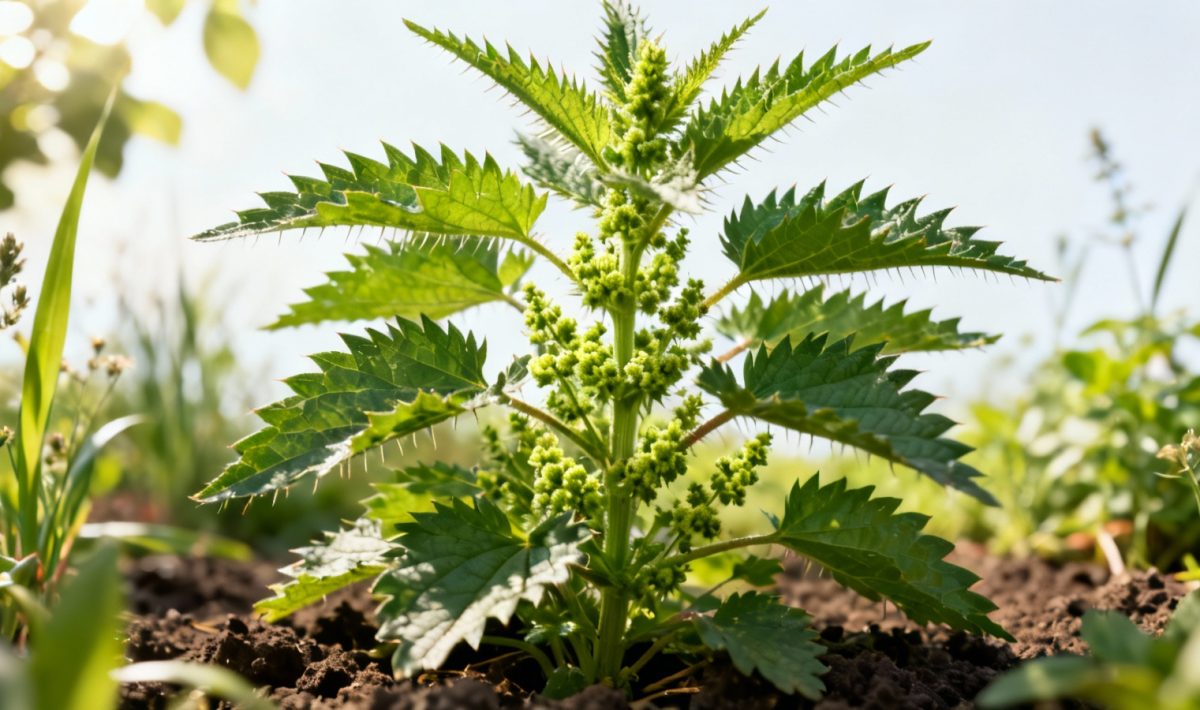
Today, let’s dive into the fascinating world of stinging nettle (Urtica dioica), a remarkable perennial plant that deserves a place in every thoughtful gardener’s space. While many consider it a mere weed, this herbaceous species offers incredible benefits for both garden health and biodiversity. With its distinctive characteristics and robust growth habits, the stinging nettle proves to be one of nature’s most valuable garden allies.
Understanding stinging nettle characteristics
The stinging nettle stands out as a dioecious plant, meaning individual plants are either male or female. This perennial herb typically reaches heights of 1 to 1.5 meters, forming dense colonies through its extensive yellow rhizomes system. The plant’s most distinctive feature lies in its serrated leaves, which are covered with tiny stinging hairs that inject histamine upon contact, causing temporary burning sensations.
The leaves grow opposite each other along sturdy stems, displaying a rich green color with prominent veining. From late June through September, the plant produces small greenish flowers in drooping clusters at the leaf axils. These inconspicuous fleurs may not win beauty contests, but they play crucial roles in the plant’s reproduction cycle.
What makes this species particularly valuable is its impressive nutritional profile. The leaves contain high levels of protein (often 16% or more), along with substantial amounts of nitrogen, potassium, and iron. This composition makes stinging nettle an excellent source of organic nutrients for both human consumption and garden applications.
Optimal growing conditions for Urtica dioica
Stinging nettle thrives in specific soil conditions that gardeners can easily replicate. The plant prefers rich, moist soils with high nitrogen content and approximately 4-5% organic matter. Well-draining earth prevents root rot while maintaining the consistent moisture levels these plantes require for vigorous growth.
Regarding light requirements, stinging nettle adapts remarkably well to various conditions. While it tolerates partial shade, the plant performs best in full sun locations where it can maximize photosynthesis. The species shows flexibility with soil pH levels, growing successfully in both slightly acidic and neutral conditions.
Temperature-wise, this hardy perennial withstands frost and cold winters, making it suitable for cultivation in temperate climates. The plant’s robust nature allows it to establish quickly in disturbed soils, particularly those enriched with compost or other organic amendments. For optimal results, ensure your growing site receives adequate water during dry spells, as consistent moisture promotes healthy leaf development.
Cultivation and care techniques
Growing stinging nettle successfully requires understanding its natural growth patterns. Start by selecting a dedicated area of your jardin, as this vigorous grower can quickly spread through its rhizomes network. Many gardeners choose to contain the plant using root barriers or growing it in larger containers to prevent unwanted expansion.
Water management plays a crucial role in nettle cultivation. The plante benefits from regular watering during establishment, particularly in the first growing season. Once established, mature plants show reasonable drought tolerance, though consistent moisture produces the most tender leaves for harvesting.
Fertilization rarely becomes necessary when growing in rich sols, as stinging nettle naturally thrives in nutrient-dense environments. However, adding compost or well-rotted manure around established plants can boost growth and improve leaf quality. Much like when caring for hardy fuchsia plants, maintaining organic soil health proves more beneficial than chemical fertilizers.
Regular harvesting actually benefits the plant’s health and encourages continued growth. Cut stems back to about 10 cm above ground level, allowing the extensive racine system to regenerate new growth. This practice prevents the plant from becoming too woody and maintains tender, nutrient-rich foliage throughout the growing season.
Propagation methods and techniques
Stinging nettle offers several reliable propagation options for gardeners wanting to expand their cultivation. The most straightforward method involves dividing established clumps during early spring or fall. Simply dig up portions of the rhizomes system, ensuring each division includes both roots and growing points.
Seed propagation provides another viable option, though it requires more patience. Collect graines from mature plants in late summer, when the seed heads have dried completely. Sow these seeds in spring directly in prepared garden beds or start them indoors in seed trays. The germination process typically takes 2-3 weeks under optimal conditions.
For those interested in container growing, similar principles apply as with growing Capsicum annuum successfully, requiring adequate space for root development. Use large pots with drainage holes and rich potting mixture to support vigorous growth.
Root cuttings offer yet another propagation method. Take 10-15 cm sections of healthy racines during dormant periods and plant them horizontally in prepared soil. Keep the planting area consistently moist until new shoots emerge, typically within 4-6 weeks.
Garden benefits and companion planting
Beyond its medicinal and culinary uses, stinging nettle serves as an excellent companion plante in diverse garden settings. The deep root system helps improve soil structure by breaking up compacted layers and bringing nutrients from deeper soil levels to the surface. This natural soil improvement benefits neighboring cultures significantly.
The plant’s ability to accumulate nutrients makes it invaluable for creating nutrient-rich compost and liquid fertilizers. Steep chopped nettle leaves in water for several weeks to create a potent organic liquid fertilizer high in nitrogen and other essential nutrients. This homemade fertilizer works wonderfully for feeding heavy-feeding crops throughout the growing season.
Wildlife appreciation represents another compelling reason to cultivate stinging nettle. Many butterfly species, including the Red Admiral and Peacock butterflies, rely on nettle as their primary host plant for caterpillars. By maintaining nettle patches, gardeners support local butterfly populations and enhance garden biodiversity.
When planning companion plantings, consider the principles used in tips for evergreen azalea care, ensuring adequate spacing and complementary growing requirements. Nettles pair well with fruit trees, providing ground cover while enriching the soil through their extensive root network.
Harvesting and utilization
Proper harvesting techniques ensure continuous production while maintaining plant health. Harvest young leaves and shoots during early morning hours when moisture content is highest. Always wear protective gloves and long sleeves to avoid contact with the stinging poils urticants.
The optimal harvesting période extends from early spring through late fall, with young growth providing the most tender and flavorful material. Cut stems approximately 15 cm from the ground, allowing the plant to regenerate quickly. Regular harvesting every 4-6 weeks throughout the growing season maintains plant vigor and prevents flowering if leaf production is the primary goal.
Fresh nettle leaves lose their stinging properties when cooked, dried, or processed, making them safe for culinary use. The high protein content and mineral density make processed nettle an excellent addition to soups, teas, and other preparations. For gardeners interested in similar nutrient-dense crops, exploring cultivating Solanum tuberosum effectively provides complementary growing knowledge.
Managing growth and preventing spread
While stinging nettle’s vigorous growth represents an advantage in many situations, managing its spread requires thoughtful planning. The extensive rhizomes system can quickly colonize large areas if left unchecked. Installing root barriers around nettle patches helps contain growth while still allowing plants to develop fully.
Regular maintenance involves monitoring the edges of established patches and removing unwanted runners before they establish new colonies. This approach works similarly to managing other vigorous herbaceous espèces in the garden. Mowing or cutting around the designated growing area helps maintain clear boundaries.
For gardeners seeking balance between cultivation and control, consider dedicating specific areas to nettle production while maintaining clear separation from other garden zones. This strategy allows you to enjoy the benefits while preventing unwanted invasion of other plantes areas.
Understanding the plant’s natural growth cycles helps predict and manage its behavior. Like growing common borage in gardens, timing interventions with the plant’s natural rhythms produces better results with less effort.
Troubleshooting common issues
Despite its reputation for toughness, stinging nettle occasionally faces challenges that require attention. Poor drainage can lead to root rot, particularly in clay sols or areas with standing water. Improving drainage through organic amendments or raised bed construction typically resolves these issues.
Aphid infestations sometimes affect young growth, particularly during warm, humid conditions. These pests rarely cause serious dommages but can reduce harvest quality. Natural predators usually provide adequate control, though severe infestations may require targeted organic treatments.
Nutrient deficiencies rarely occur in rich soils, but plants grown in poor conditions may show yellowing leaves or stunted growth. Adding compost or organic matter typically resolves these nutritional issues quickly. The plant’s natural ability to extract nutrients from soil makes it relatively self-sufficient once established.
Environmental stress from drought or extreme temperatures can temporarily slow growth but rarely causes permanent damage. Maintaining consistent soil moisture during dry spells and providing some shade during extreme heat waves helps plants remain productive throughout challenging weather conditions.
By understanding these fundamental aspects of stinging nettle cultivation, gardeners can successfully integrate this valuable espèce into their growing systems. Whether grown for its nutritional benefits, garden applications, or wildlife support, Urtica dioica represents an excellent addition to sustainable gardening practices. With proper care and management, this remarkable herbe continues producing benefits for years while requiring minimal inputs from dedicated gardeners.

Allan is a lifelong gardening enthusiast who still gets excited when the first seedlings pop up in spring. With a deep love for nature and a hands-in-the-soil approach, he shares practical tips, plant discoveries, and clever tricks picked up over years of digging, planting, and observing. Whether you’re a new gardener or have a shed full of tools, Allan writes like a neighbor who’s always happy to swap cuttings and stories over the fence.
You can find more about Allan’s work on Malt or connect with him on LinkedIn.


