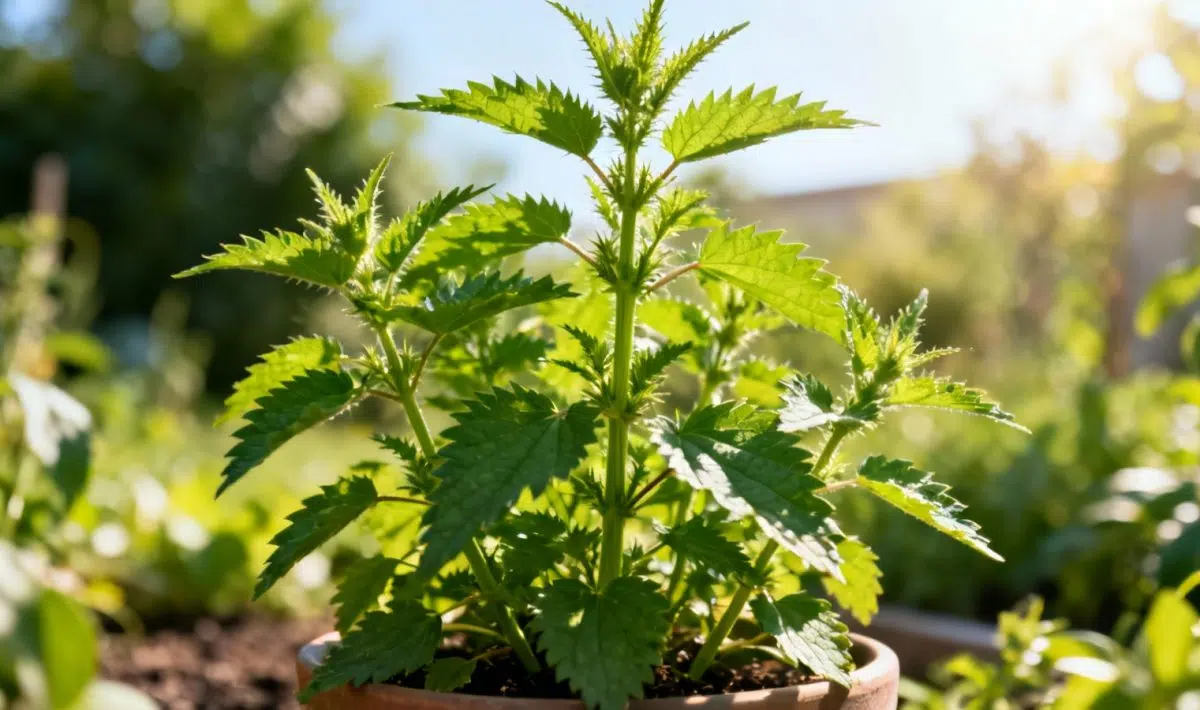
Understanding stinging nettle and its light adaptations
Stinging nettle (Urtica dioica) stands out as one of nature’s most adaptable plants when it comes to sunlight requirements. This remarkable plant has evolved sophisticated mechanisms that allow it to thrive in conditions ranging from full shade to bright sunlight. Unlike many garden plants that demand specific light conditions, nettle demonstrates exceptional flexibility in its light needs, making it an ideal subject for understanding plant adaptations to different environments.
The importance of light for plant growth cannot be overstated. Photosynthesis, the fundamental process that powers plant life, depends entirely on adequate light exposure. However, different plants have evolved varying strategies to capture and utilize available light, and stinging nettle represents a masterclass in adaptability.
Optimal sunlight conditions for stinging nettle growth
Research reveals that stinging nettle performs best under partial shade conditions, receiving approximately 23-37% of direct sunlight. This finding comes from extensive studies of nettle populations in their natural habitats. During the growing season from May to October, plants receiving around 23.8% of available light show superior stem height, internode length, and overall dry mass compared to those in full sun conditions.
Interestingly, nettles can tolerate a wide range of light intensities without significant stress. Studies using controlled greenhouse conditions tested plants at 25%, 35%, 67%, and 100% of full irradiance, finding no substantial differences in total dry mass production. This remarkable tolerance explains why you can find healthy nettle populations thriving in forest understories as well as open meadows.
The plant’s morphological adaptations to different light levels are fascinating. In shadier conditions, nettles develop longer internodes as they stretch toward available light sources. Their leaves also show remarkable plasticity, with shade-grown specimens developing uniformly distributed chloroplasts throughout both palisade and spongy mesophyll tissues, maximizing their ability to capture limited light.
Direct versus indirect light preferences
While stinging nettle can handle direct sunlight, it actually performs better with filtered or indirect light for most of the day. In nature, you’ll often find the healthiest nettle patches growing at forest edges or under the dappled shade of deciduous trees. This preference for partial shade helps explain why many gardeners successfully grow nettles in areas that might be too shady for other vegetables.
The plant’s ability to thrive in indirect light makes it an excellent choice for gardens with challenging light conditions. Just as optimal sunlight for shrubby cinquefoil varies depending on growing conditions, nettle demonstrates how different plants have evolved unique strategies for light utilization.
Seasonal light variations and nettle responses
Stinging nettle shows remarkable seasonal adaptability to changing light conditions. During autumn and winter months (November through April), plants can effectively utilize up to 37.3% of available direct light. This increased light tolerance during dormant periods helps the plant maintain its perennial root system and prepare for vigorous spring growth.
As spring arrives and new growth begins, nettles demonstrate their ability to respond quickly to increasing daylight hours. The plant’s growth rate accelerates dramatically with longer days, though it continues to perform best with some protection from intense midday sun. This seasonal rhythm makes nettle an excellent companion plant in gardens where light conditions change throughout the year.
The timing of planting can significantly impact how well nettles establish in your garden. Early spring planting allows young plants to develop strong root systems during cooler months when light stress is minimal. By the time summer arrives with its intense sunlight, established plants have developed the robust structure needed to handle varying light conditions.
Cultivation strategies for optimal light exposure
Choosing the right location for growing stinging nettle requires balancing several factors. While the plant tolerates various light conditions, positioning it where it receives morning sun and afternoon shade often produces the best results. This arrangement provides sufficient light for photosynthesis while protecting the plant from potentially stressful late-day heat and intense sunlight.
Creating partial shade artificially can benefit nettle cultivation in areas with intense sunlight. Companion planting offers an excellent strategy here. Growing nettles alongside taller plants or installing shade cloth during peak summer months can replicate the natural woodland edge conditions where nettles thrive. Similar light management techniques work well for other adaptable plants, much like the approach used for Chinese privet sunlight requirements.
Soil moisture plays a crucial role in how well nettles handle different light exposures. In shadier conditions with lower light intensity, plants require less water than those grown in full sun. Maintaining consistent soil moisture helps nettles cope with whatever light conditions they encounter, ensuring steady growth throughout the growing season.
Maximizing growth through strategic placement
Understanding microclimates in your garden can dramatically improve nettle cultivation success. Areas near walls, fences, or larger plants often provide the filtered light conditions that nettles prefer. These locations also tend to have more stable soil moisture levels, creating ideal growing conditions.
Observing how established nettle populations grow in your area provides valuable insights for cultivation. Notice whether they prefer forest edges, stream banks, or other specific locations. These natural preferences can guide your placement decisions and help ensure successful establishment in your garden.
Protecting nettles from excessive sunlight
While stinging nettle tolerates full sun, prolonged exposure to intense sunlight can stress plants and reduce their overall vitality. Signs of light stress include wilting during hot afternoons, reduced leaf size, and slower growth rates. Recognizing these symptoms early allows you to implement protective measures before permanent damage occurs.
Shade cloth provides an effective solution for protecting nettles during extreme weather conditions. A 30-50% shade cloth can reduce light intensity to levels that promote optimal growth while still allowing sufficient light for photosynthesis. This approach works particularly well in regions with intense summer sun or during heat waves.
Natural shade from companion plants offers another excellent protection strategy. Fast-growing annuals or perennial flowers can provide temporary shade during the hottest parts of summer. This method mimics natural growing conditions while creating diverse, productive garden spaces. The same principles apply to managing light for various plants, including understanding sunlight requirements for cucumbers when planning garden layouts.
Mulching around nettle plants helps moderate soil temperature and retain moisture, making it easier for plants to cope with varying light conditions. Organic mulches also slowly decompose, providing nutrients that support healthy growth regardless of light levels.
Comparing nettle adaptability with other plants
Stinging nettle’s remarkable light adaptability sets it apart from many other garden plants. While some plants require very specific light conditions to thrive, nettle’s flexibility makes it an excellent choice for challenging garden situations. This adaptability extends to many aspects of cultivation, from soil types to moisture levels.
Understanding how different plants respond to light helps create more successful garden designs. For example, while sycamore tree sunlight needs differ significantly from herbaceous plants, both benefit from careful consideration of their natural light preferences. Similarly, climbing plants like riverbank grape sunlight needs require different management strategies than ground-level herbs.
The versatility of stinging nettle makes it valuable for sustainable gardening practices. Its ability to thrive in various light conditions means it can fill spaces that might be challenging for other edible or useful plants. This characteristic, combined with its numerous benefits as a food source and natural fertilizer, makes nettle an excellent addition to diverse garden ecosystems.
Practical applications and garden integration
Successfully integrating stinging nettle into your garden requires understanding both its light needs and its growth habits. The plant’s spreading nature through underground rhizomes means it can gradually colonize areas with suitable light conditions. This natural expansion can be managed through regular harvesting and root division.
For gardeners interested in cultivating nettle for culinary or medicinal purposes, understanding optimal light conditions becomes even more important. Plants grown under ideal light conditions typically produce more tender leaves with better flavor and higher nutrient content. The timing of harvest also matters, with young shoots collected in spring often providing the best quality regardless of light conditions.
Creating dedicated nettle patches in partially shaded areas can provide sustainable harvests while supporting local wildlife. Many beneficial insects rely on nettle for various stages of their life cycles, making these plants valuable for ecological gardening. Just as flowering plants like sunlight for crimson bottlebrush blooms require specific conditions for optimal flowering, nettles need appropriate light to support their role in garden ecosystems.
Regular monitoring of plant health provides feedback on whether your chosen location provides adequate light. Healthy nettle plants should show steady growth during the growing season, with leaves that maintain good color and size. Any signs of stress can often be addressed through simple management adjustments rather than relocating established plants.
Conclusion: mastering nettle light requirements
Understanding how much sunlight stinging nettle needs opens up numerous possibilities for successful cultivation. The plant’s remarkable adaptability to light conditions ranging from partial shade to full sun makes it one of the most versatile additions to any garden. This flexibility, combined with proper attention to soil moisture and seasonal changes, ensures healthy growth throughout the growing season.
The key to success lies in recognizing that while nettle tolerates various light levels, it performs best with partial shade or filtered sunlight. This preference for moderate light conditions, supported by scientific research showing optimal growth at 23-37% of full sun, should guide your placement decisions. By providing these ideal conditions, you can maximize both plant health and harvest quality.
Whether you’re growing nettle for food, medicine, or ecological benefits, proper light management forms the foundation of successful cultivation. The plant’s natural adaptability makes it forgiving of less-than-perfect conditions, but understanding its preferences allows you to unlock its full potential in your garden space.
Allan is a lifelong gardening enthusiast who still gets excited when the first seedlings pop up in spring. With a deep love for nature and a hands-in-the-soil approach, he shares practical tips, plant discoveries, and clever tricks picked up over years of digging, planting, and observing. Whether you’re a new gardener or have a shed full of tools, Allan writes like a neighbor who’s always happy to swap cuttings and stories over the fence.
You can find more about Allan’s work on Malt or connect with him on LinkedIn.