
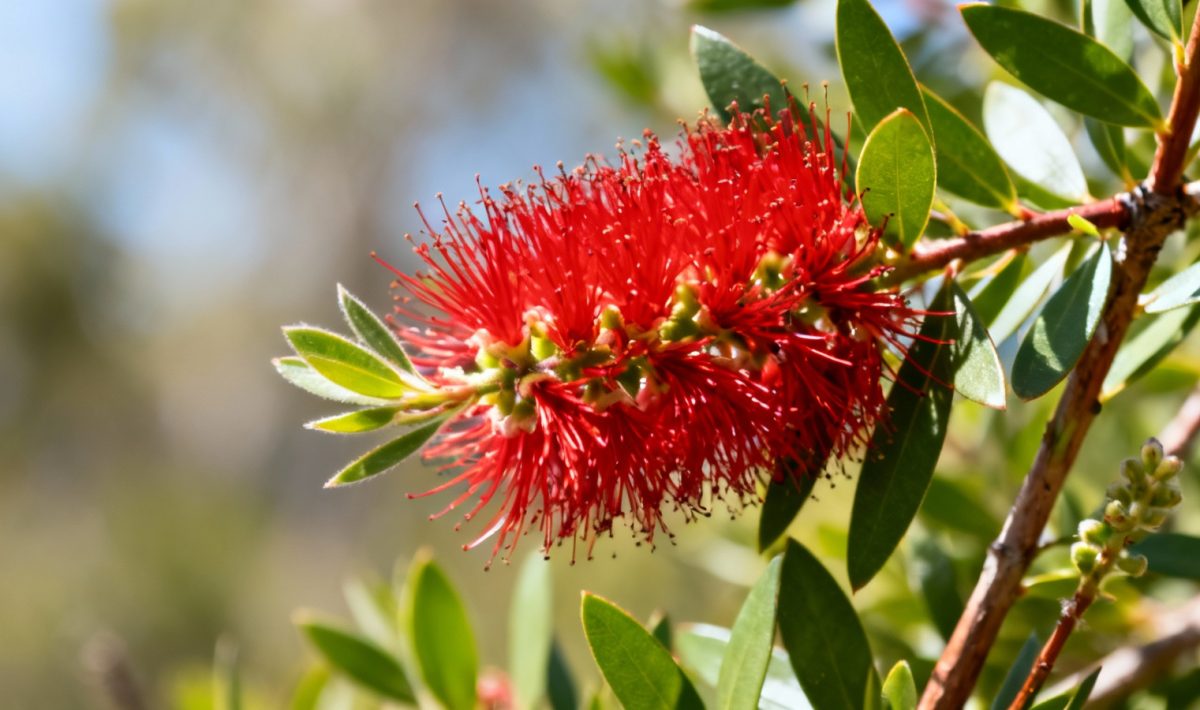
Today I’m sharing everything you need to know about how much sunlight does crimson bottlebrush need to thrive in your garden. This stunning Australian native, scientifically known as Callistemon citrinus, has captured the hearts of gardeners worldwide with its vibrant red bottlebrush-shaped flowers that attract hummingbirds and butterflies alike. Understanding its sunlight requirements is absolutely crucial for achieving those spectacular blooms that make this plant such a garden showstopper.
Essential sunlight requirements for crimson bottlebrush
The crimson bottlebrush demands full sun exposure to reach its maximum flowering potential. This hardy tree needs at least 6 to 8 hours of direct sunlight daily to produce those magnificent red flower spikes that give the plant its distinctive appearance. Without adequate sunshine, you’ll notice significantly fewer blooms and a generally weaker plant structure.
However, this resilient Australian native does show some tolerance for partial shade conditions. In areas with 4 to 6 hours of morning sun, the callistemon can still survive, though you should expect a reduction in flower production of up to 30-50 percent. The morning sun is particularly important as it helps dry any dew from the leaves, reducing the risk of fungal diseases.
Just as optimal sunlight requirements for cucumbers vary based on growing conditions, the crimson bottlebrush adapts its growth patterns according to available light. In shadier locations, the plant tends to stretch toward the light source, creating a less compact and sometimes leggy appearance.
Impact of insufficient sunlight on growth and flowering
When crimson bottlebrush doesn’t receive adequate sunlight, several noticeable changes occur in the plant’s development. The most obvious consequence is dramatically reduced flowering, with some plants producing fewer than half their normal flower quota. The distinctive red brushes may also appear paler and less vibrant than those grown in full sun conditions.
Poor light conditions also affect the overall vigor of the callistemon citrinus. The plant becomes more susceptible to pest problems and diseases, particularly fungal issues that thrive in humid, shaded environments. Additionally, the characteristic dense foliage becomes sparse and elongated as the plant stretches desperately toward any available light source.
Growth rate significantly slows in inadequate lighting conditions. While a full-sun crimson bottlebrush might add 2-3 feet of new growth annually, those struggling in shade often manage only half that amount. This impacts not only the plant’s aesthetic appeal but also its ability to establish a strong root system.
Strategic placement for optimal sun exposure
Choosing the perfect location for your crimson bottlebrush is absolutely critical for long-term success. Look for spots in your jardin that receive morning sun from the east, as this helps the plant photosynthesize efficiently throughout the day. Afternoon sun from the west, while beneficial, can be intense in hot climates and may require some consideration of local conditions.
Avoid planting near large structures or established trees that cast shadows during peak sunlight hours. Buildings, fences, and mature plants can significantly reduce the available light, even when they seem distant from your chosen planting site. Remember that shadow patterns change throughout the seasons as the sun’s angle shifts.
Consider the mature size of your callistemon when selecting a location. These plants can reach 15-20 feet in height and spread, so they need space to develop without competing with other large plants for sunlight. Similar to how healthy growth and sunlight for sycamores requires careful planning, your bottlebrush placement should account for future growth patterns.
Seasonal sunlight considerations
Understanding seasonal variations in sunlight exposure helps you provide optimal care throughout the année. During spring and summer, when the sun’s arc is higher, your crimson bottlebrush receives maximum light intensity. This is when the plant produces its most spectacular flower displays and experiences its most vigorous growth period.
Winter months present different challenges, particularly in northern regions where daylight hours are significantly shorter. While the plant enters a semi-dormant state during cooler months, it still benefits from whatever sunlight is available. In regions with harsh winters, southern exposures become even more valuable for catching precious winter sunshine.
Fall positioning requires special attention to ensure your bottlebrush receives adequate light as surrounding deciduous trees drop their leaves. What might seem like a partially shaded location in summer could become an ideal full-sun spot once nearby trees are bare. Much like sunlight needs for potato plants change with seasons, your callistemon’s light requirements remain consistent even as conditions vary.
Maximizing growth potential through proper cultivation
Beyond sunlight requirements, several factors work together to ensure your crimson bottlebrush thrives. Well-draining soil is absolutely essential, as these Australian natives cannot tolerate waterlogged conditions even with perfect sun exposure. Clay soils should be amended with organic matter or sand to improve drainage characteristics.
Proper spacing between plants ensures each callistemon receives its full share of available sunlight without competition. Plant individual specimens at least 8-10 feet apart to prevent overcrowding as they mature. This spacing also improves air circulation, reducing humidity around the foliage and minimizing disease risks.
Regular pruning after the main flowering period helps maintain optimal sun penetration throughout the plant’s canopy. Remove any dead, damaged, or crossing branches that might shade interior growth. Light pruning also encourages bushier growth and more flower production points for the following season. Just as elephant ear plant sunlight requirements benefit from proper care practices, your bottlebrush rewards good maintenance with spectacular blooms.
Selecting quality seeds for successful growing
Starting your crimson bottlebrush from seeds opens up exciting possibilities for garden success. When shopping for callistemon citrinus graines, quality makes all the difference in germination rates and plant vigor. Look for fresh seeds from reputable suppliers who provide detailed growing instructions and variety descriptions.
Fresh seeds typically show higher germination rates, often reaching 70-80 percent success when properly handled. Older seeds may still germinate but often at reduced rates and with less vigorous seedlings. Always check the harvest date when possible, as callistemon seeds maintain viability for approximately 12-18 months under proper storage conditions.
Consider starting with multiple varieties to discover which performs best in your specific growing conditions. Some cultivars show better tolerance for marginal light conditions, while others excel in full sun situations. Much like how sun exposure for cow parsnip plants varies by variety, different bottlebrush selections may have slightly different optimal requirements.
Common growing challenges and solutions
Even with perfect sunlight conditions, crimson bottlebrush plants can face various growing challenges that affect their performance. Poor drainage combined with intense sun exposure can stress plants, causing leaf drop and reduced flowering. Always ensure your planting site drains well, especially during rainy seasons when waterlogged soil becomes problematic.
Nutrient deficiencies often manifest more clearly in full sun plants, where growth rates are naturally higher and nutrient demands increase. Apply a balanced, slow-release fertilizer in early spring to support vigorous growth throughout the growing season. Avoid high-nitrogen fertilizers that promote excessive foliage growth at the expense of flower production.
Pest issues can sometimes increase in sunny locations where plants are more stressed by heat and drought conditions. Regular monitoring for scale insects, aphids, and spider mites helps catch problems early. Good garden hygiene and proper watering practices prevent most pest issues from becoming serious problems. Understanding plant needs helps create optimal growing conditions, just as knowing rattlesnake plant sunlight and care requirements ensures healthy houseplant growth.
Long-term care and maintenance strategies
Establishing a routine care schedule ensures your crimson bottlebrush continues thriving for many years. Deep, infrequent watering during the growing season encourages strong root development while preventing surface root formation. Water early morning to allow foliage to dry before evening, reducing disease risks in humid conditions.
Mulching around the base helps retain soil moisture and regulate temperature fluctuations, particularly important in full sun locations where soil can heat up significantly. Use organic mulch like wood chips or shredded bark, keeping it several inches away from the trunk to prevent pest harborage and moisture retention against the bark.
Monitor your plant’s performance annually and adjust care practices as needed. Mature plants may require different attention than newly established ones, particularly regarding watering frequency and fertilizer applications. Regular observation helps you catch any changes in plant health before they become serious issues affecting growth or flowering potential.

Allan is a lifelong gardening enthusiast who still gets excited when the first seedlings pop up in spring. With a deep love for nature and a hands-in-the-soil approach, he shares practical tips, plant discoveries, and clever tricks picked up over years of digging, planting, and observing. Whether you’re a new gardener or have a shed full of tools, Allan writes like a neighbor who’s always happy to swap cuttings and stories over the fence.
You can find more about Allan’s work on Malt or connect with him on LinkedIn.


