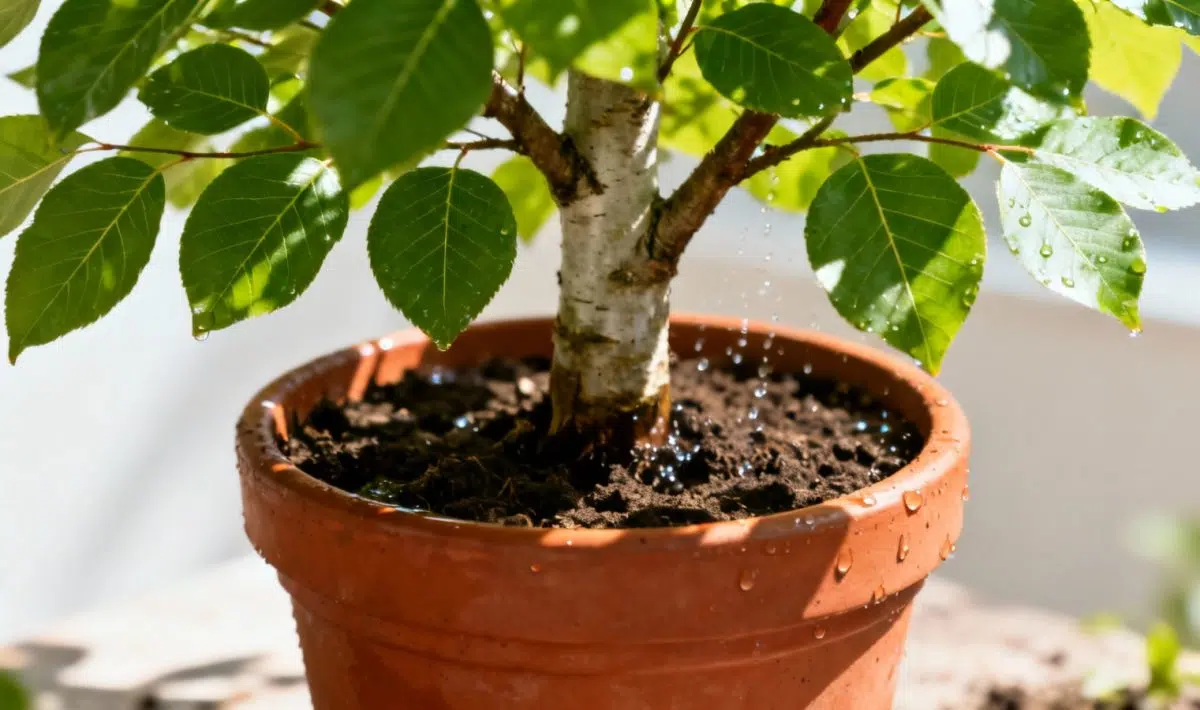
How often should you water your white ash for optimal growth
Maintaining your white ash tree with proper watering is essential for its long-term health and vitality. Understanding how often should you water your white ash depends on several key factors that can make the difference between a thriving specimen and a struggling one. Whether you’re caring for a newly planted sapling or an established tree, getting the watering schedule right will ensure your ash tree develops strong roots and maintains its natural beauty.
White ash trees are remarkably adaptable, but they have specific water requirements that vary throughout their lifespan. These magnificent trees can tolerate both wet and dry conditions once established, making them popular choices for many landscapes. However, the key to success lies in providing consistent moisture during critical growth periods while avoiding waterlogged conditions that can damage the root system.
Young white ash trees require more frequent attention than mature specimens. During the first few years after planting, your tree’s root system is still developing and cannot yet access deeper water sources. This vulnerability means you’ll need to take a more hands-on approach to ensure adequate hydration throughout the growing season.
Similar to how gardeners need to understand specific watering needs for different plants, such as optimal watering for white clover, each tree species requires tailored care to reach its full potential.
Watering frequency for white ash trees
For newly planted white ash trees, water twice per week during the growing season, which typically spans from spring through early fall. Each watering session should provide approximately one inch of water, allowing it to penetrate deeply into the root zone. This deep watering encourages roots to grow downward rather than staying shallow near the surface.
Established white ash trees that have been in place for more than two years require less frequent watering. During normal weather conditions, these mature trees can thrive with weekly watering or may not need supplemental irrigation at all if rainfall provides adequate moisture. Monitor your tree’s condition and adjust accordingly based on weather patterns and soil conditions.
The season plays a crucial role in determining watering frequency. Spring and early summer typically require more attention as new growth emerges and temperatures rise. During autumn, you can reduce watering frequency as the tree prepares for dormancy, but don’t stop entirely until the ground freezes.
Factors that influence watering schedules
Soil type significantly impacts how often you should water your white ash. Sandy soils drain quickly and may require more frequent watering, while clay soils retain moisture longer but can become waterlogged if overwatered. Test your soil’s drainage by digging a small hole and filling it with water – if it doesn’t drain within 24 hours, you may need to improve drainage before planting.
Climate conditions also affect watering needs dramatically. During periods of high temperatures, low humidity, or strong winds, your tree will lose moisture more rapidly through transpiration. Conversely, cool, humid conditions reduce water loss and may require less frequent irrigation. Keep a weather eye on forecasted rainfall to avoid unnecessary watering.
Tree age and size matter considerably when planning your watering strategy. A young sapling with a small root system needs water delivered directly to its limited root zone, while a mature tree with an extensive root network can access moisture from a much larger area. Just as caring for your loquat tree requires understanding the specific needs of that species, white ash care must be adjusted based on the tree’s developmental stage.
Proper watering techniques
The method you use to water your white ash is just as important as the frequency. Deep, infrequent watering is far more beneficial than shallow, frequent applications. Water slowly and thoroughly, allowing moisture to penetrate to a depth of at least 12 inches around the tree’s drip line – the area directly beneath the outermost branches.
Create a watering basin around young trees by building a low soil berm in a circle around the trunk, extending to the drip line. This helps contain water and directs it downward to the roots rather than allowing it to run off. For mature trees, you can water over the entire root zone, which extends well beyond the visible canopy.
Morning watering is generally preferred as it allows the tree to absorb moisture throughout the day while minimizing evaporation loss. Avoid evening watering when possible, as wet foliage overnight can promote fungal diseases. If morning watering isn’t practical, early afternoon is the next best option.
Recognizing water stress and overwatering
Learning to read your tree’s signals helps you adjust your watering schedule appropriately. Signs of water stress include wilting leaves, early leaf drop, or leaves that appear dull and lack their typical glossy finish. However, these symptoms can also indicate overwatering, so it’s essential to check soil moisture before making adjustments.
Overwatering can be just as damaging as underwatering. Symptoms include yellowing leaves that don’t recover after watering, soft or mushy areas on the trunk, or fungal growth around the base of the tree. If you notice these signs, reduce watering frequency and ensure proper drainage around the tree.
Use a soil moisture meter or simply insert a long screwdriver into the soil around your tree. If it penetrates easily to a depth of 6-8 inches, the soil has adequate moisture. If resistance is met immediately, it’s time to water. Understanding these principles applies to various plant care scenarios, much like knowing watering rosemary for best results requires attention to specific plant needs.
Seasonal watering adjustments
Spring watering should begin as soon as the ground thaws and new growth appears. This is when your white ash tree awakens from dormancy and begins its active growing season. Start with weekly waterings and increase to twice weekly if spring rains are insufficient or if temperatures rise quickly.
Summer represents the peak water demand period for your tree. Hot temperatures, long days, and active growth all contribute to increased water needs. Monitor soil moisture closely during heat waves and be prepared to water more frequently if natural rainfall is inadequate. However, avoid creating constantly soggy conditions that can stress the tree.
Fall watering helps your tree store energy for winter while gradually transitioning to dormancy. Continue regular watering through early fall, then reduce frequency as temperatures drop and daylight hours shorten. The goal is to enter winter with well-hydrated trees that can better withstand freezing temperatures.
Winter watering is often overlooked but remains important in areas with mild winters or during dry spells. Evergreen trees and newly planted specimens may need occasional winter watering, especially during warm periods when the ground isn’t frozen. Similar attention to seasonal needs applies to other tree species, such as understanding proper watering for arborvitae throughout different seasons.
Long-term care and maintenance
Establishing a consistent watering routine during your tree’s first few years creates a foundation for long-term health and vigor. As your white ash matures, its extensive root system will allow it to access groundwater and become increasingly drought-tolerant. This natural progression means your hands-on watering responsibilities will gradually decrease over time.
Mulching around your tree helps retain soil moisture and reduces watering frequency. Apply a 2-3 inch layer of organic mulch in a circle around the tree, keeping it several inches away from the trunk to prevent pest and disease issues. Good mulch options include shredded bark, wood chips, or compost.
Remember that proper watering is just one component of comprehensive tree care. Regular monitoring, appropriate fertilization, and prompt attention to any health issues will help ensure your white ash tree remains a beautiful and valuable addition to your landscape for decades to come. With consistent care and attention to its specific needs, your tree will reward you with years of natural beauty and environmental benefits.
Allan is a lifelong gardening enthusiast who still gets excited when the first seedlings pop up in spring. With a deep love for nature and a hands-in-the-soil approach, he shares practical tips, plant discoveries, and clever tricks picked up over years of digging, planting, and observing. Whether you’re a new gardener or have a shed full of tools, Allan writes like a neighbor who’s always happy to swap cuttings and stories over the fence.
You can find more about Allan’s work on Malt or connect with him on LinkedIn.