
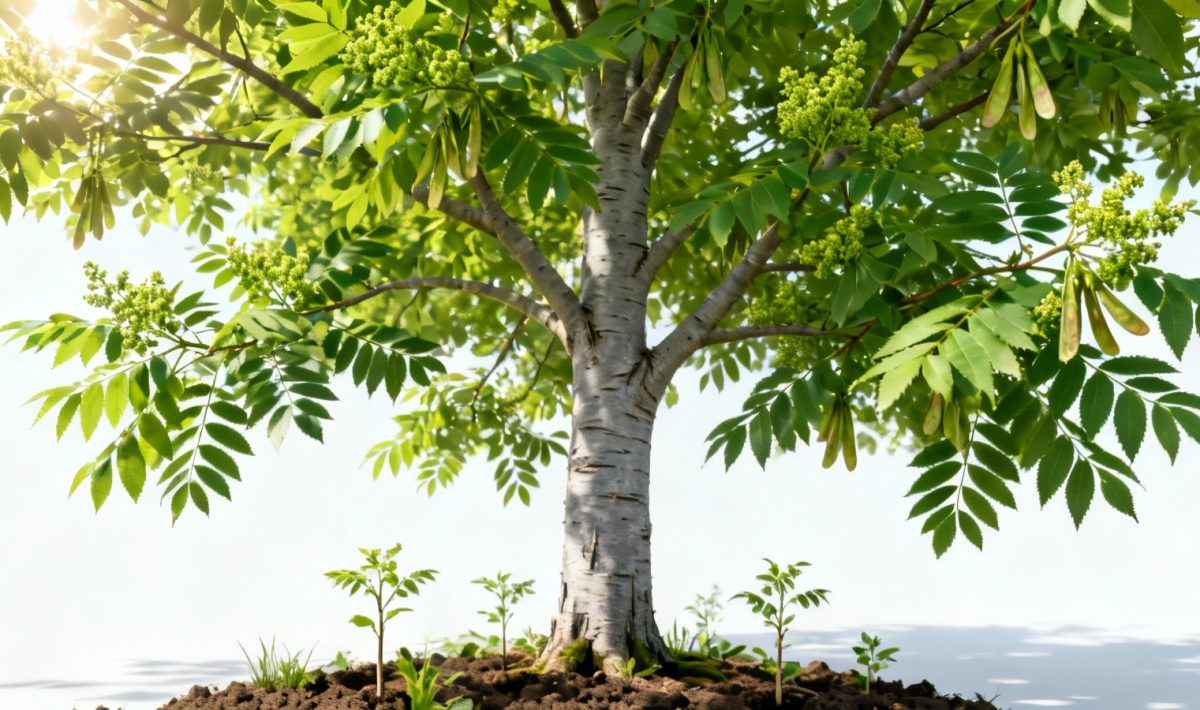
The green ash, scientifically known as Fraxinus pennsylvanica, stands as one of North America’s most adaptable and ecologically significant trees. This deciduous giant reaches impressive heights of 60-70 feet with a graceful oval crown, making it a beloved specimen in both natural forests and cultivated landscapes. However, despite its resilience and beauty, this remarkable ash species faces unprecedented challenges that threaten its very existence.
Understanding the green ash species and its ecological importance
Native to eastern and central North America, the green ash belongs to the olive family (Oleaceae) and serves as a cornerstone species in many forest ecosystems. These magnificent trees typically develop a symmetrical crown spanning 45-50 feet in width, creating substantial canopy coverage that benefits countless other organisms. The species demonstrates remarkable adaptability, thriving in USDA hardiness zones 3a through 9b.
The ecological impact of ash populations extends far beyond their immediate presence. These trees provide critical habitat for numerous bird species, support diverse insect communities, and contribute significantly to forest biodiversity. Unfortunately, the devastating emerald ash borer (Agrilus planipennis) has decimated ash populations across North America, making conservation efforts more crucial than ever.
Distinctive characteristics and identification features
Green ash trees possess compound leaves arranged in an opposite pattern, with each leaf containing 7-9 leaflets that can reach up to 12 inches in total length. The leaflets display a medium to dark green color throughout the growing season, transforming into brilliant yellow hues during autumn. This distinctive foliage pattern makes identification relatively straightforward for both botanists and nature enthusiasts.
The species exhibits dioecious flowering, meaning male and female flowers develop on separate trees. Female trees produce abundant winged seeds called samares, which can extend up to 2 inches in length. These seeds attract various birds and small mammals, playing a vital role in the forest food web. Much like how characteristics and care of guava plants require specific attention to flowering patterns, understanding ash reproduction cycles proves essential for successful cultivation.
The bark of mature green ash trees develops a distinctive diamond-shaped pattern with gray-brown coloration. This textured bark provides additional habitat for insects and small creatures while protecting the tree’s cambium layer. The dense wood, with a specific gravity of 0.56, has historically been prized for manufacturing tool handles, tennis rackets, and furniture frames.
Optimal growing conditions and cultivation requirements
Green ash trees demonstrate exceptional soil tolerance, adapting to clay, loam, sand, and various pH levels from acidic to alkaline conditions. This adaptability makes them excellent candidates for challenging planting sites where other species might struggle. The trees can withstand both prolonged flooding and drought conditions once established, though they perform best with consistent moisture during their establishment period.
For optimal growth, plant green ash in areas receiving full sun to partial shade exposure. These trees prefer well-draining soil but can tolerate temporarily waterlogged conditions, making them suitable for floodplain restoration projects. When establishing young trees, provide regular watering during the first two growing seasons to encourage robust root development.
Fertilization requirements remain minimal for established trees, though incorporating organic matter into the planting area benefits initial growth. Similar to growing and caring for common coleus which thrives with proper soil preparation, green ash responds positively to well-prepared planting sites with adequate organic content.
Watering and maintenance practices
Young green ash trees require approximately 1 inch of water weekly during their establishment period, typically the first two years after planting. Deep, infrequent watering encourages deep root development, which enhances the tree’s drought tolerance in subsequent years. Mature trees rarely require supplemental irrigation except during severe drought conditions.
Pruning should focus on removing dead, damaged, or crossing branches during late winter or early spring. Avoid heavy pruning during the growing season, as this can stress the tree and make it more susceptible to pest infestations. Regular inspection for signs of emerald ash borer damage remains critical for tree health maintenance.
Propagation methods and techniques
Green ash propagation typically occurs through seed collection and germination, though success rates vary depending on seed viability and treatment methods. Fresh seeds collected in late summer or early fall demonstrate the highest germination rates. Seeds require cold stratification for 60-90 days at temperatures between 32-40°F to break dormancy.
To prepare seeds for planting, remove the wing portion and soak seeds in water for 24 hours before stratification. Plant stratified seeds in well-draining potting mix, maintaining consistent moisture throughout the germination period. Seedlings typically emerge in spring following stratification treatment.
Vegetative propagation through cuttings presents challenges but remains possible with proper techniques. Take hardwood cuttings during winter dormancy, treating them with rooting hormone before placing in a controlled environment. This method proves particularly valuable for preserving genetic diversity within ash populations. Just as essential care tips for golden dewdrops emphasize proper propagation timing, ash cutting success depends heavily on seasonal considerations.
Conservation and genetic preservation
Conservation efforts for green ash focus on preserving genetic diversity through seed banking and resistant tree selection programs. Researchers actively work to identify trees showing natural resistance to emerald ash borer infestations, using these specimens for breeding programs aimed at developing resistant populations.
Seed collection from diverse geographic locations ensures genetic variation within preserved populations. These conservation strategies mirror successful approaches used for other threatened plant species. The importance of maintaining diverse growing conditions becomes evident when observing how growing tips for garden cosmos plants benefit from varied environmental factors.
Current threats and protection strategies
The emerald ash borer represents the most significant threat to green ash populations throughout North America. This invasive beetle, first detected in the early 2000s, has killed millions of ash trees across multiple provinces and states. The larvae feed on the tree’s cambium layer, effectively girdling the tree and causing rapid decline.
Climate change adds additional stress to ash populations through altered precipitation patterns, increased storm intensity, and shifting temperature zones. These environmental changes can weaken trees, making them more susceptible to pest infestations and disease outbreaks.
Protection strategies include biological control programs using parasitoid wasps that target emerald ash borer larvae. Chemical treatments with systemic insecticides can protect individual high-value trees, though widespread application remains economically unfeasible. Research continues into developing ash varieties with natural resistance to this devastating pest.
Future conservation outlook
Long-term conservation success depends on collaborative efforts between researchers, land managers, and communities. Monitoring programs track remaining ash populations while seed banking preserves genetic material for future restoration efforts. These comprehensive approaches ensure that future generations can appreciate the ecological benefits that green ash trees provide.
Educational initiatives help raise awareness about ash conservation needs and encourage responsible planting practices. Supporting native plant cultivation, similar to the dedication required for caring for Gollum jade succulents but on a landscape scale, contributes to overall ecosystem resilience and biodiversity preservation.
The future of Fraxinus pennsylvanica depends on continued research, conservation action, and public engagement. Through dedicated efforts to understand and protect this remarkable species, we can work toward ensuring that green ash trees continue to grace our forests and communities for generations to come.

Allan is a lifelong gardening enthusiast who still gets excited when the first seedlings pop up in spring. With a deep love for nature and a hands-in-the-soil approach, he shares practical tips, plant discoveries, and clever tricks picked up over years of digging, planting, and observing. Whether you’re a new gardener or have a shed full of tools, Allan writes like a neighbor who’s always happy to swap cuttings and stories over the fence.
You can find more about Allan’s work on Malt or connect with him on LinkedIn.


