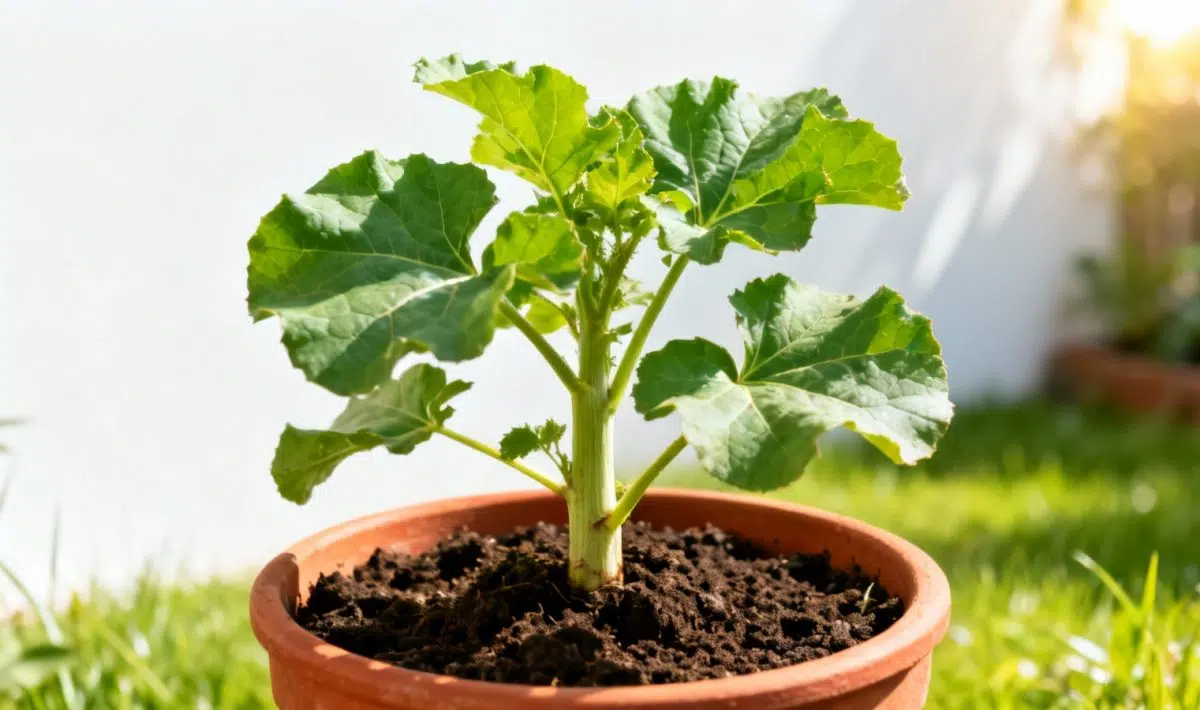
Lesser burdock (Arctium minus) is a robust herb that requires careful attention to its watering schedule for optimal growth. This common plant thrives with consistent moisture levels, but finding the perfect balance between adequate hydration and overwatering can make all the difference in your garden’s success. Understanding when and how much water your lesser burdock needs will ensure you get the most from this valuable herb.
The quality of water you use plays a crucial role in plant health. Like many garden herbs, lesser burdock responds well to natural rainwater, but tap water works perfectly fine for most growing conditions. The key is maintaining consistent moisture without creating waterlogged soil that can damage the plant’s root system.
Optimal watering frequency for lesser burdock
Lesser burdock typically needs watering every 2-3 days during active growing season, but this frequency depends heavily on your climate and soil conditions. You should water when the top 2-3 inches of soil feel dry to the touch. This simple test helps you avoid both underwatering and overwatering, which are common problems that can stress your plant.
During hot summer months, you may need to water more frequently – sometimes daily if temperatures soar above 85°F. The plant’s large leaves lose moisture quickly in heat, so regular monitoring becomes essential. Just like with watering your sycamore tree correctly, consistency matters more than the exact schedule.
Seasonal watering adjustments
Spring watering should start gradually as new growth emerges. Begin with light watering every 3-4 days, increasing frequency as the plant establishes itself. The fresh green shoots are particularly sensitive to both drought and excess moisture during this critical period.
Summer requires the most attention, with regular and copious watering during dry spells. A good soaking once or twice weekly often works better than daily light sprinkles. This deep watering encourages strong root development and helps the plant withstand heat stress.
Fall watering should gradually decrease as growth slows. Winter care varies by region, but in most climates, natural precipitation provides sufficient moisture for this hardy herb.
Water quality considerations for healthy growth
The type of water you use can significantly impact your lesser burdock’s health and growth rate. Natural rainwater contains beneficial minerals and has the perfect pH for most herbs, making it an excellent choice when available.
Tap water works well for most gardeners, though letting it sit overnight helps chlorine evaporate. If your area has very hard water, consider collecting rainwater or using filtered water occasionally to prevent mineral buildup in the soil.
Well water from natural sources often provides excellent results, as it typically contains minerals that benefit plant growth. However, test your well water periodically to ensure it doesn’t contain excessive salts or chemicals that might harm your plants.
Effective watering techniques and tips
Water at the base of the plant rather than overhead to prevent leaf diseases and ensure water reaches the root zone efficiently. Early morning watering works best, allowing plants to absorb moisture before the day’s heat sets in. This timing also reduces evaporation and gives leaves time to dry before evening.
Use a soaker hose or drip irrigation system for the most efficient water delivery. These methods provide slow, steady moisture that penetrates deeply into the soil. For container growing, which shares similarities with watering a chinese money plant, ensure drainage holes prevent water accumulation.
Mulching for moisture retention
Apply a 2-3 inch layer of organic mulch around your lesser burdock to conserve soil moisture. Straw, shredded leaves, or compost make excellent mulch materials that also improve soil quality as they decompose.
Mulching reduces watering frequency by up to 50% during hot weather, making it an essential technique for busy gardeners. Keep mulch a few inches away from the plant stem to prevent moisture-related problems and pest issues.
Recognizing proper soil moisture levels
Healthy lesser burdock soil should feel like a wrung-out sponge – moist but not soggy. Stick your finger 2-3 inches into the soil near the plant base to check moisture levels accurately. This hands-on approach works better than relying solely on surface appearance.
Overwatered soil often develops a sour smell and may show signs of fungal growth. Underwatered plants typically display wilted leaves and dry, cracked soil surface. Both conditions stress the plant and can impact the quality of leaves and roots you’ll harvest.
For gardeners growing multiple plants with varying needs, understanding individual requirements becomes crucial. Just as optimal watering for watermelons differs from herb care, each plant species has unique moisture preferences.
Container vs. ground growing differences
Potted lesser burdock requires more frequent watering than ground-planted specimens. Container soil dries faster due to increased surface area and drainage, often needing daily attention during peak growing season.
Choose containers with adequate drainage holes and use high-quality potting mix that retains moisture while preventing waterlogging. Large containers work better than small ones, as they provide more stable moisture levels and root space.
Troubleshooting common watering problems
Yellow leaves often indicate overwatering, while brown, crispy edges suggest underwatering. Adjust your schedule gradually rather than making dramatic changes that can shock the plant. Monitor new growth to gauge whether your adjustments are working effectively.
Slow growth or poor leaf development might indicate inconsistent watering patterns. Establishing a regular routine helps plants develop strong root systems that can better handle occasional dry spells. Similar principles apply to woody plants like those requiring healthy growth of your smoketree.
Root rot appears as soft, dark roots and is usually caused by poor drainage combined with excessive watering. Improve soil drainage and reduce watering frequency if you notice these symptoms developing in your garden.
Maximizing harvest quality through proper hydration
Consistent moisture levels directly impact the quality of lesser burdock leaves and roots. Well-hydrated plants produce tender, flavorful foliage that’s perfect for culinary and medicinal uses. Stressed plants often develop bitter or tough leaves that are less desirable for consumption.
Time your final watering carefully before harvest. Stop watering 2-3 days before collecting leaves to concentrate flavors, but avoid letting plants become severely stressed. This technique works well for herbs, though container plants like those needing keeping your oregano healthy may require different timing.
Proper watering throughout the growing season ensures robust root development, which is especially important if you plan to harvest the plant’s medicinal roots. Deep, consistent watering encourages roots to grow downward rather than spreading near the surface, resulting in better quality and easier harvest.
Remember that lesser burdock is a hardy plant that adapts well to various conditions with proper care. By following these watering guidelines and observing your plant’s responses, you’ll develop the perfect routine for your specific growing environment and climate conditions.
Allan is a lifelong gardening enthusiast who still gets excited when the first seedlings pop up in spring. With a deep love for nature and a hands-in-the-soil approach, he shares practical tips, plant discoveries, and clever tricks picked up over years of digging, planting, and observing. Whether you’re a new gardener or have a shed full of tools, Allan writes like a neighbor who’s always happy to swap cuttings and stories over the fence.
You can find more about Allan’s work on Malt or connect with him on LinkedIn.