
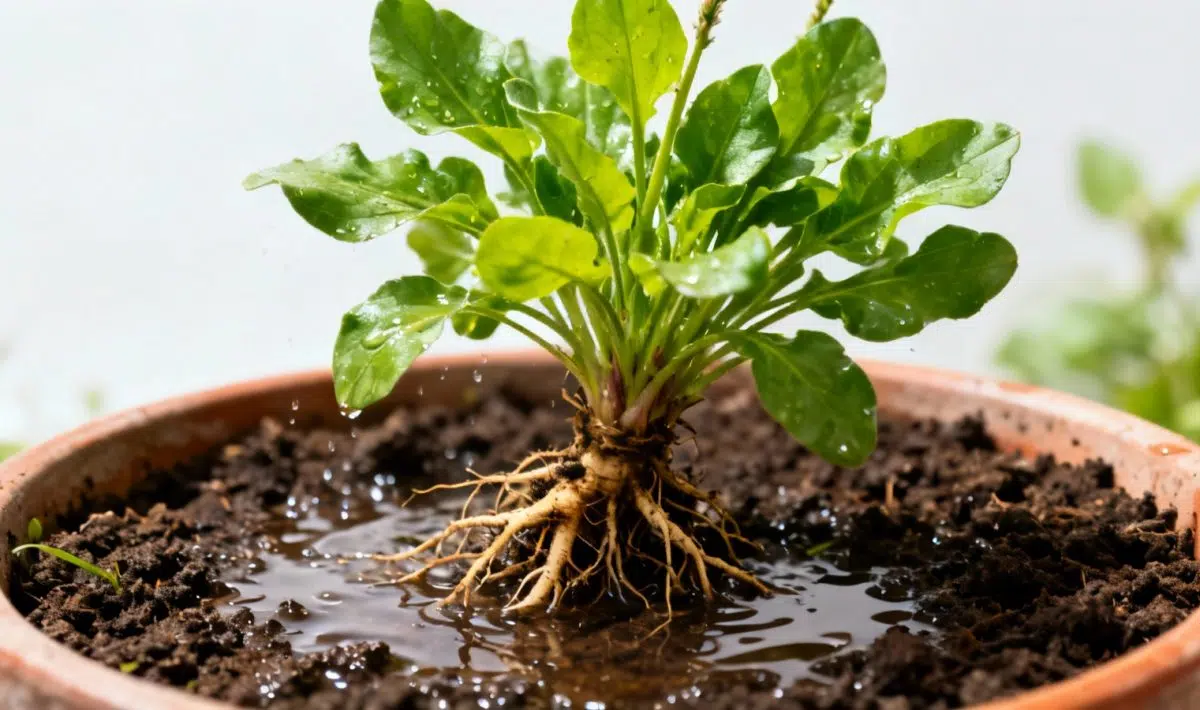
Caring for your ribwort plantain requires understanding its unique watering needs throughout the seasons. This hardy herbal plant, known scientifically as Plantago lanceolata, thrives with proper hydration management. Getting the watering schedule right ensures healthy leaf development and makes this organic medicinal plant a valuable addition to your garden.
Understanding ribwort plantain’s water requirements
Ribwort plantain adapts remarkably well to various moisture conditions, making it a favorite among gardeners who appreciate low-maintenance plants. This plantain species naturally tolerates drought better than many other herbaceous plants, thanks to its deep root system that efficiently searches for water. However, consistent moisture promotes the best growth for harvesting leaves to make herbal tea or other preparations.
The key lies in providing steady hydration without waterlogging the soil. Your plantain will show signs of stress if you water too frequently, including yellowing leaves and stunted growth. Conversely, underwatering leads to wilting and reduced leaf production, which affects the quality of any infusion you might prepare from this valuable plant.
Seasonal watering schedule for optimal results
During spring and early autumn, water your ribwort plantain approximately once per week. This frequency allows the soil to dry slightly between waterings while maintaining adequate moisture for healthy development. The cooler temperatures and natural rainfall during these seasons often reduce your watering responsibilities, making maintenance particularly manageable.
Summer heat demands increased attention to your plantain’s hydration needs. When temperatures rise consistently above 80°F, increase watering to twice weekly or even more frequently during particularly hot spells. Monitor the soil moisture by checking two inches below the surface – if it feels dry, your plant needs water. Like other garden herbs, proper summer care ensures you’ll have quality leaves for making healthy herbal preparations.
Winter presents unique challenges for plantain care. The dormant season significantly reduces water requirements, and you should water sparingly – perhaps once every two weeks or only when the soil appears completely dry. Overwatering during winter months can lead to root rot, particularly problematic for plants experiencing their natural rest period.
Recognizing proper soil conditions
Well-draining soil forms the foundation of successful plantain cultivation. Your ribwort plantain prefers soil that retains some moisture but never becomes waterlogged. Sandy loam or modified clay soils work exceptionally well, providing the drainage necessary to prevent root problems while maintaining adequate water retention for steady growth.
Consider the growing conditions in your specific location when determining watering frequency. Gardens with heavy clay soil retain moisture longer and require less frequent watering than those with sandy soil that drains quickly. Similarly, plants grown in containers need more frequent attention than those planted directly in garden beds, as pots dry out faster.
Signs your plantain needs water
Learning to read your plant’s signals helps you develop an intuitive watering schedule. Healthy ribwort plantain displays upright, firm leaves with good color. When the plant needs water, leaves begin to lose their crispness and may start drooping slightly. The soil surface appears dry and pulls away from the edges of containers if you’re growing in pots.
Check the soil moisture regularly by inserting your finger into the earth near the plant base. If the top two inches feel dry, it’s time to water. This hands-on approach proves more reliable than following a rigid schedule, as weather conditions and soil types significantly affect moisture retention. Just as watering your sycamore tree effectively requires attention to environmental factors, plantain care benefits from observational skills.
Best watering practices for healthy growth
Apply water directly to the soil around your plantain rather than spraying the leaves. This method reduces the risk of fungal diseases while ensuring water reaches the root zone where it’s needed most. Use a watering can or gentle hose setting to avoid disturbing the soil or damaging delicate new growth.
Water early morning or late evening to minimize evaporation and reduce stress on your plants. Morning watering allows excess moisture on leaves to evaporate quickly, reducing disease risks. Evening watering helps plants recover from daytime heat stress, though you should avoid late-night watering that leaves moisture on foliage overnight.
The amount of water depends on your plant’s size and growing conditions. Mature plantain typically requires about one inch of water weekly, including rainfall. For container-grown plants, water until you see drainage from the bottom holes, ensuring the entire root ball receives adequate moisture. Much like guidelines for watering plantain lilies, consistent deep watering proves more beneficial than frequent shallow applications.
Common watering mistakes to avoid
Overwatering ranks as the most frequent error in plantain care. Many gardeners assume more water equals better growth, but ribwort plantain actually performs better with slightly drier conditions than most garden plants. Signs of overwatering include yellowing leaves, soft stems, and a musty smell from the soil indicating root rot.
Inconsistent watering creates stress that affects leaf quality and overall plant health. While plantain tolerates drought, dramatic fluctuations between bone-dry and soaking wet conditions weaken the plant’s natural resilience. Establishing a regular monitoring routine helps maintain the steady moisture levels this herbal plant prefers.
Using water that’s too cold can shock plant roots, especially during warm weather. Room temperature water or water that’s been sitting in the sun for a few hours provides the ideal temperature for your plantain’s comfort. This consideration proves particularly important for container plants and indoor growing situations.
Optimizing water quality and delivery methods
Water quality significantly impacts your plantain’s health and the quality of any tea or infusion you prepare from its leaves. Rainwater provides excellent natural irrigation, free from chemicals found in municipal water supplies. If collecting rainwater isn’t feasible, let tap water sit overnight before using to allow chlorine to dissipate.
Consider installing a drip irrigation system for consistent, efficient watering if you’re growing multiple plantain plants. This method delivers water slowly and directly to root zones, minimizing waste while maintaining optimal soil moisture. Drip systems work particularly well for gardeners who travel frequently or have busy schedules.
Mulching around your plantain helps retain soil moisture and reduces watering frequency. Apply a two-inch layer of organic mulch like straw, leaves, or compost around plants, keeping mulch away from the stem base to prevent pest problems. This practice proves especially valuable during hot summer months when evaporation rates increase significantly.
Container growing considerations
Growing ribwort plantain in containers requires more frequent monitoring and watering than garden cultivation. Pots dry out faster than ground soil, particularly during warm weather or when placed in sunny locations. Check container soil daily during peak growing season and water when the top inch feels dry.
Choose containers with adequate drainage holes to prevent waterlogging while selecting a size appropriate for your plant’s mature dimensions. Larger containers retain moisture longer and provide more stable growing conditions than small pots. Similarly, optimal watering for Chinese money plants demonstrates how container size affects watering frequency across different plant species.
Consider using self-watering containers or water reservoirs for consistent moisture delivery when growing plantain in pots. These systems help maintain steady hydration levels and reduce the risk of both under and overwatering. They prove particularly useful for gardeners new to growing herbal plants or those with unpredictable schedules.
Maximizing harvest quality through proper hydration
Consistent watering directly affects the quality of leaves you harvest for herbal preparations. Well-hydrated plants produce tender, flavorful leaves perfect for making tea or other organic preparations. Stressed plants from inconsistent watering develop tough, bitter leaves that create less palatable infusions.
Plan your harvest timing around your watering schedule for the best results. Collect leaves in the morning after the plant has had overnight recovery time but before the day’s heat creates stress. This timing ensures you gather leaves at peak quality for drying or immediate use in healthy preparations.
Just as watering watermelons for best results requires attention to timing and technique, ribwort plantain benefits from thoughtful water management that supports both plant health and harvest quality. Regular, appropriate watering creates the foundation for a thriving medicinal herb garden that provides valuable natural remedies for years to come.

Allan is a lifelong gardening enthusiast who still gets excited when the first seedlings pop up in spring. With a deep love for nature and a hands-in-the-soil approach, he shares practical tips, plant discoveries, and clever tricks picked up over years of digging, planting, and observing. Whether you’re a new gardener or have a shed full of tools, Allan writes like a neighbor who’s always happy to swap cuttings and stories over the fence.
You can find more about Allan’s work on Malt or connect with him on LinkedIn.


