
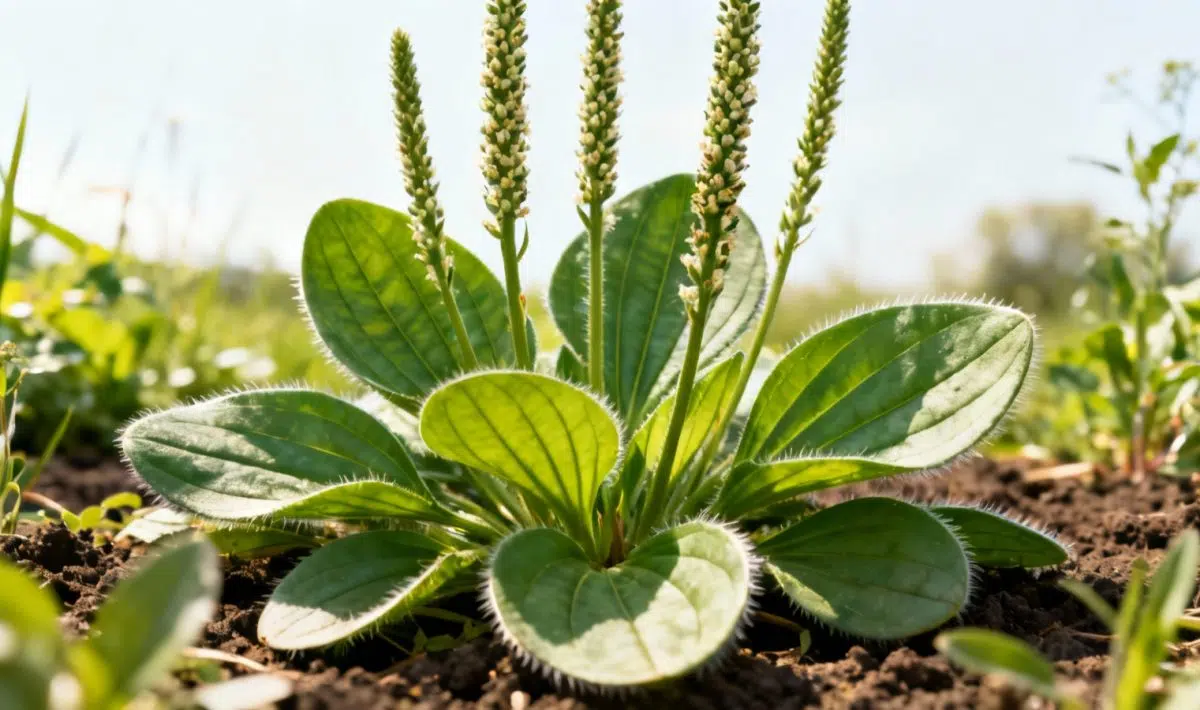
What is Common Plantain – Plantago major?
Common plantain (Plantago major) is a remarkable perennial herb that belongs to the Plantaginaceae family. This hardy plant, also known as broadleaf plantain or greater plantain, forms distinctive rosettes of thick, oval leaves with prominent parallel veins. Despite being often dismissed as a garden weed, this European native offers exceptional adaptability and numerous beneficial properties that make it worth cultivating intentionally.
The plantain species has been accompanying human settlements for centuries, thriving in disturbed soils and areas with foot traffic. Its robust nature and ability to withstand trampling have earned it the nickname “white man’s footprint” among indigenous communities. Today, gardeners and herbalists are rediscovering the value of this versatile plant for both its ecological benefits and medicinal applications.
Botanical Characteristics of Plantago major
Distinctive Leaf Features
The most recognizable feature of common plantain lies in its broad, egg-shaped leaves that form a basal rosette. These feuilles measure between 20-150mm in length and 10-120mm in width, creating rosettes that can reach 15-30cm in diameter. The leaves display a distinctive ribbed pattern with 3-9 prominent parallel nervures running from base to tip, making identification straightforward even for beginners.
Each leaf emerges from the crown on a sturdy petiole that can extend up to 200mm long. The leaf surface appears smooth to slightly hairy, with a dark green coloration that deepens with maturity. This robust foliage structure allows the plante to photosynthesize efficiently while maintaining its ground-hugging growth habit.
Flowering and Reproductive Structures
During the growing season from May through September, plantain produces distinctive flowering spikes called épi. These cylindrical flower heads emerge on short, hollow stems rarely exceeding 20mm in height. The tiny hermaphroditic fleurs, measuring just 2-3mm across, appear greenish-white and lack petals, relying on wind pollination rather than attracting insects.
Following successful pollination, the plant develops small oval capsules that turn brown at maturity between July and October. These seed pods contain flat, brown graines that become mucilaginous when wet, an adaptation that helps them adhere to passing animals and footwear for dispersal.
Optimal Growing Conditions for Common Plantain Culture
Soil Requirements and Site Selection
Common plantain demonstrates remarkable adaptability to various sol types, though it performs best in moist, well-draining earth with neutral to slightly alkaline pH. This vivace species tolerates both clay and sandy sols, making it suitable for diverse garden situations. The plant actually thrives in compacted areas where other species struggle, which explains its prevalence along pathways and in disturbed ground.
For intentional cultivation, choose a location that receives full sun to partial shade. While plantain tolerates shade, adequate lumière exposure promotes more vigorous growth and better seed production. The plant’s tolerance to piétinement makes it an excellent choice for naturalized areas or informal garden spaces.
Planting and Establishment Methods
Starting plantain from graines offers the most straightforward approach for home gardeners. Begin semis in early printemps, either directly in the garden or in seed trays for later transplanting. The small graines germinate readily when sown on the soil surface, as they require light for optimal germination.
Scatter the graines lightly over prepared soil and rake gently to ensure good soil contact. Maintain consistent moisture during the germination period, which typically occurs within 7-14 days under favorable conditions. Young seedlings develop slowly initially but establish robust root systems that support vigorous growth once established.
For those interested in expanding their wild edible garden, learning about dandelion care and propagation tips can complement your plantain cultivation knowledge.
Essential Care and Maintenance Practices
Watering and Moisture Management
While plantain exhibits excellent drought tolerance once established, consistent eau availability promotes healthier growth and more abundant foliage. Water deeply but infrequently, allowing the sol to dry slightly between irrigation sessions. This approach encourages deep root development and enhances the plant’s natural resilience.
During dry periods, weekly watering sessions prove sufficient for mature plantes. However, newly established specimens benefit from more frequent moisture until their root systems develop fully. Avoid overhead watering late in the day to minimize fungal issues.
Seasonal Care Requirements
Common plantain requires minimal intervention throughout the growing season. Remove spent flower spikes if you prefer to prevent self-seeding, though many gardeners appreciate the plant’s ability to naturalize in appropriate areas. The herbe enters dormancy during winter months, with foliage dying back in colder regions.
Apply a thin layer of compost around established plants in early printemps to provide gentle nutrition for the upcoming growing season. This low-maintenance approach suits the plant’s adaptable nature while supporting healthy development.
Similar to how you might approach growing and caring for sowthistle, plantain benefits from understanding its natural growing patterns rather than forcing intensive cultivation methods.
Propagation Techniques for Plantago major
Seed Collection and Germination
Harvesting graines from mature plants provides an economical way to expand your plantain collection. Monitor the flower spikes throughout summer, collecting seed heads when they turn brown and feel dry to the touch. Store collected graines in paper envelopes in a cool, dry location until ready for sowing.
Fresh graines germinate more reliably than stored ones, so consider direct sowing in autumn for natural stratification. This timing mimics the plant’s natural reproductive cycle and often results in stronger, more vigorous seedlings the following printemps.
Division and Vegetative Propagation
Mature plantain clumps can be divided every 3-4 years to create new plantes. Perform division in early printemps as growth resumes, carefully separating the crown into sections that each contain roots and growing points. This method produces plants identical to the parent and establishes more quickly than seed-grown specimens.
When dividing, use a sharp, clean knife to minimize damage to the root system. Allow cut surfaces to dry briefly before replanting to reduce the risk of rot. Space new divisions 12-18 inches apart to provide adequate room for development.
Medicinal Properties and Traditional Uses
Historical and Modern Applications
Throughout history, various cultures have recognized plantain’s valuable propriétés médicinales. Traditional herbalists used the leaves to treat minor wounds, insect bites, and respiratory ailments. The plant’s natural compounds, including mucilage and tannins, provide soothing and anti-inflammatory effects when applied topically.
Modern research continues to investigate these traditional applications, with studies examining the plant’s potential for treating various affections. However, as with any herbal traitement, consulting healthcare professionals before medicinal use remains essential, especially for individuals with existing health conditions.
Interestingly, just as how to care for common fig involves understanding the plant’s natural habitat, recognizing plantain’s traditional growing environments helps optimize its cultivation for medicinal purposes.
Culinary Applications
Young plantain leaves offer culinary versatility when harvested before flower spike development. These jeunes feuilles can be consumed raw in salads, providing a slightly bitter, spinach-like flavor. Older leaves benefit from cooking, which reduces their toughness and makes them more palatable.
Steam or sauté mature leaves briefly to preserve their nutritional content while improving digestibility. Some cultures incorporate dried plantain leaves into herbal tea blends, creating warming beverages with potential respiratory benefits during cold seasons.
Ecological Benefits and Garden Integration
Beyond its direct uses, common plantain provides valuable ecosystem services that support garden biodiversity. The dense flower spikes produce abundant pollen that feeds various beneficial insects, while the graines serve as food sources for numerous bird espèces. This makes plantain an excellent addition to wildlife-friendly garden designs.
The plant’s deep taproot helps improve soil structure by creating channels for air and water movement. This natural soil improvement complements other sustainable gardening practices while requiring no additional input from gardeners. Additionally, plantain’s ability to thrive in compacted areas makes it useful for stabilizing problem zones in the jardin.
For gardeners interested in creating diverse plant communities, understanding care guide for Pontic rhododendron alongside plantain cultivation demonstrates how different plant families contribute unique benefits to garden ecosystems.
Whether you’re cultivating plantain for its medicinal vertus, ecological benefits, or simply appreciating its resilient nature, this remarkable plant rewards minimal care with maximum benefits. Its adaptability and usefulness make it a valuable addition to any sustainable garden approach, proving that sometimes the most overlooked plantes offer the greatest rewards for observant gardeners.

Allan is a lifelong gardening enthusiast who still gets excited when the first seedlings pop up in spring. With a deep love for nature and a hands-in-the-soil approach, he shares practical tips, plant discoveries, and clever tricks picked up over years of digging, planting, and observing. Whether you’re a new gardener or have a shed full of tools, Allan writes like a neighbor who’s always happy to swap cuttings and stories over the fence.
You can find more about Allan’s work on Malt or connect with him on LinkedIn.


