Ribwort plantain care: characteristics, health benefits and growing techniques
Today I’m excited to share everything you need to know about the remarkable Ribwort plantain – Plantago lanceolata. This hardy perennial plant might seem like just another weed to many gardeners, but it’s actually a treasure trove of medicinal properties and surprisingly easy to cultivate. Whether you’re interested in its health benefits or want to grow it for herbal preparations, this versatile plant deserves a spot in every garden.
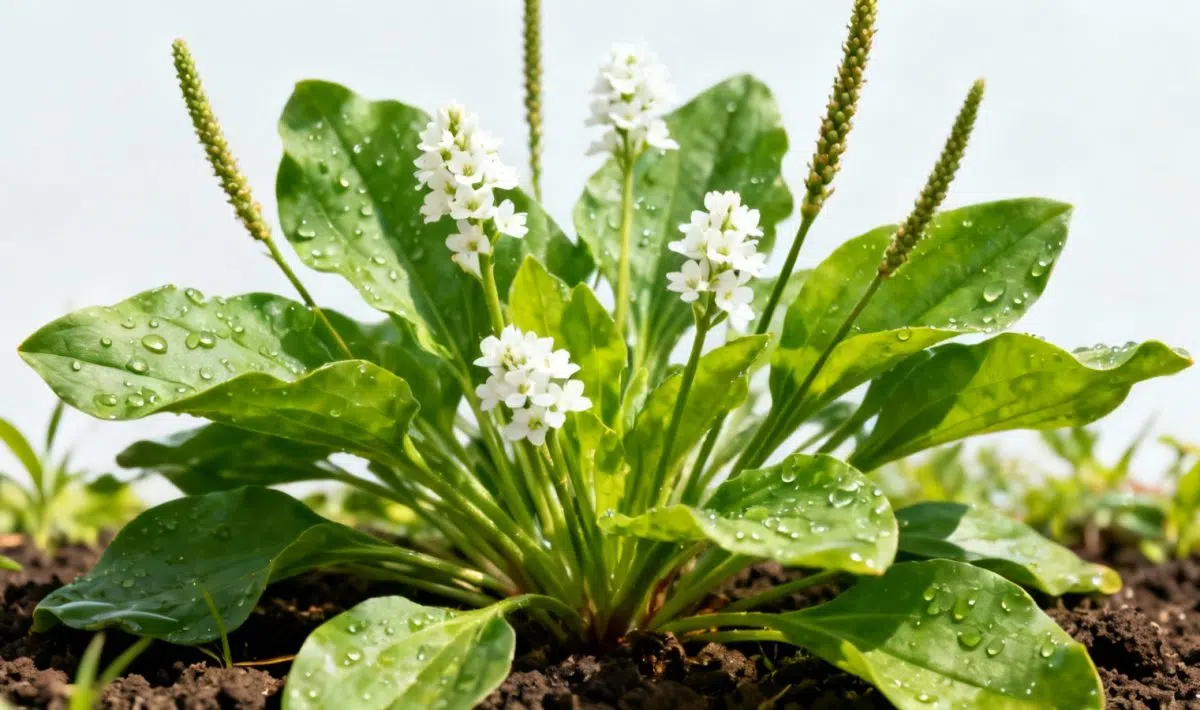
The Ribwort plantain forms a distinctive rosette of lance-shaped leaves that can grow 10-30 cm long. These thick, dark green leaves feature prominent longitudinal ribs that give the plant its common name. The plant produces slender, four-angled flower stalks reaching 30-50 cm in height, topped with oval-shaped brown flower heads adorned with white stamens visible from April through November.
This remarkable plant lives anywhere from 2 to 12 years per individual, spreading through thick rhizomes and producing an impressive 10,000 seeds per plant. The extensive root system makes it incredibly drought-tolerant and resistant to foot traffic, explaining why it thrives in lawns and along pathways.
Optimal growing conditions for Ribwort plantain
Creating the right environment for your plantain is surprisingly straightforward. This resilient plant prefers full sun to partial shade and adapts to various soil types, though it performs best in well-drained conditions. Unlike many medicinal plants that require specific soil pH levels, Ribwort plantain tolerates both acidic and alkaline soils.
The plant’s natural habitat includes meadows, roadsides, and disturbed ground, which tells us it appreciates moderate fertility rather than rich, heavily amended soil. In fact, overly fertile conditions can reduce the concentration of beneficial compounds in the leaves. For optimal medicinal properties, choose a sunny location with average garden soil.
Soil preparation and planting techniques
Before planting, prepare the soil by removing weeds and loosening the top 15-20 cm. Unlike crops that benefit from extensive soil amendments, plantain thrives in relatively poor conditions. A light application of compost is sufficient, as excessive nutrients can promote leaf growth at the expense of medicinal compounds.
Direct seeding works exceptionally well for this species. Scatter seeds lightly over prepared soil in early spring or autumn, barely covering them with a thin layer of soil. The germination rate is typically excellent, and you’ll see seedlings emerging within 1-2 weeks under favorable conditions.
Propagation methods and timing
Ribwort plantain offers several propagation options, making it accessible for gardeners of all experience levels. Seeds remain viable for several years when stored properly, and the plant readily self-seeds in suitable conditions. For those wanting faster results, division of established plants works wonderfully in early spring or autumn.
When collecting seeds from wild plants, choose healthy specimens with robust flower heads. Allow the seeds to fully ripen on the plant before harvesting. Store them in a cool, dry place, and they’ll remain viable for up to five years. Much like how you might learn about apricot care and propagation for fruit trees, timing is crucial for successful plantain establishment.
Starting from seed indoors
For earlier starts, sow seeds indoors 6-8 weeks before the last frost date. Use standard seed-starting mix and maintain temperatures around 15-20°C. The seeds don’t require darkness to germinate, so surface sowing under bright light works perfectly. Transplant seedlings outdoors once they’ve developed their second set of true leaves and all danger of frost has passed.
Medicinal properties and health benefits
The leaves of Plantago lanceolata contain remarkable compounds that have been valued for centuries in traditional medicine. Rich in mucilage, tannins, and anti-inflammatory substances, the plant serves as a natural remedy for respiratory ailments. Herbalists particularly prize it for soothing coughs and supporting healthy lung function.
Fresh leaves can be chewed for immediate relief from minor cuts and insect bites, earning plantain the nickname “nature’s bandage.” The antimicrobial properties make it valuable for topical applications, while internal use as an infusion supports digestive health. However, always consult healthcare professionals before using any plant medicinally, especially if you have existing health conditions.
Preparing plantain for medicinal use
Harvesting leaves during the growing season provides the best concentration of active compounds. Choose young, tender leaves in the morning after dew has dried but before the heat of midday. Fresh leaves work wonderfully for immediate use, while dried leaves can be stored for winter preparations.
To create a simple infusion, steep 1-2 teaspoons of dried leaves in hot water for 10-15 minutes. This traditional preparation method preserves the beneficial mucilage that gives plantain its soothing properties. For external use, crush fresh leaves to release their juices, or prepare a tincture using alcohol extraction methods.
Cultivation maintenance and care
Once established, Ribwort plantain requires minimal maintenance, making it an excellent choice for low-maintenance gardens. The plant’s deep taproot allows it to access water from lower soil layers, reducing irrigation needs significantly. During prolonged dry spells, occasional deep watering encourages robust growth.
Regular harvesting actually benefits the plant by encouraging fresh leaf production. Remove flower stalks if you want to focus energy on leaf development, though leaving some to set seed ensures natural regeneration. This approach works similarly to how discover cucumber cultivation techniques focus on continuous harvest for optimal yields.
Managing plantain in the garden
Because of its vigorous spreading habit, some gardeners prefer containing plantain in designated areas. Installing root barriers or growing it in raised beds prevents unwanted expansion. Alternatively, embrace its naturalizing tendency and allow it to form groundcover in appropriate areas.
The plant’s tolerance for foot traffic makes it suitable for pathways and informal lawn areas. Regular mowing keeps the leaves accessible for harvest while preventing excessive seed production. This management style works well for those who want the benefits without complete garden takeover.
Harvesting and preservation techniques
Timing your harvest correctly maximizes both yield and potency. Young leaves collected before flowering contain the highest concentration of beneficial compounds. Harvest in the morning after dew has evaporated, using clean scissors or garden shears to avoid contamination.
Fresh leaves stay crisp in the refrigerator for up to a week when stored in ventilated bags. For long-term storage, drying preserves most medicinal properties. Spread leaves on screens in a warm, airy location away from direct sunlight. Properly dried leaves maintain their green color and store well for up to a year in sealed containers.
Consider the seasonal variations in active compounds when planning your harvest schedule. Spring leaves tend to be most tender, while late summer growth often contains higher concentrations of beneficial compounds. This knowledge helps optimize your medicinal preparations throughout the growing season.
Creating value-added products
Beyond simple drying, plantain leaves lend themselves to various preparations. Oil infusions capture fat-soluble compounds, while vinegar extractions preserve different beneficial elements. These preparations expand your options for incorporating plantain into health routines.
Combining plantain with complementary herbs creates synergistic blends. Traditional herbalists often pair it with chamomile for respiratory support or with calendula for topical applications. Just as gardeners might find out about Madagascar dragon tree care to diversify their plant knowledge, exploring plantain combinations broadens therapeutic possibilities.
Common challenges and solutions
Despite its hardy nature, Ribwort plantain can face occasional issues. Overly wet conditions may lead to root rot, particularly in heavy clay soils. Improving drainage through organic matter incorporation or raised bed cultivation prevents most moisture-related problems.
Pest issues are rare, but slugs occasionally target young leaves in humid conditions. Beer traps or copper barriers provide effective organic control methods. The plant’s natural resistance to most pests makes it an excellent choice for chemical-free gardens.
Seed production can become excessive in ideal conditions, leading to unwanted spreading. Regular deadheading controls this tendency while redirecting energy to leaf production. This approach mirrors techniques used when learning to explore the benefits of sowthistle for maintaining desired garden balance.
Integrating plantain into sustainable gardens
Ribwort plantain fits perfectly into permaculture and sustainable gardening systems. Its deep roots improve soil structure while the leaves provide valuable compost material. The plant’s ability to thrive without inputs makes it ideal for self-sufficient garden designs.
Consider plantain as a beneficial companion for other medicinal plants. Its low-growing habit doesn’t compete with taller species, while its root system complements different growing patterns. This integration approach works well alongside techniques for understand red raspberry growing practices in food forest settings.
The plant’s long flowering season supports beneficial insects, adding ecological value beyond its medicinal properties. Bees and other pollinators appreciate the extended nectar source, contributing to overall garden health. This dual-purpose approach exemplifies sustainable gardening principles.
Future considerations and research
Modern research continues to validate traditional uses of Plantago lanceolata while uncovering new applications. Studies focusing on its anti-inflammatory and antimicrobial properties show promising results for various health conditions. This ongoing research reinforces the value of maintaining medicinal plant knowledge.
Climate change considerations make hardy, adaptable plants like plantain increasingly valuable. Its tolerance for temperature fluctuations and water stress positions it well for uncertain growing conditions. Forward-thinking gardeners recognize these resilient species as essential components of future gardens.
As interest in herbal medicine grows, cultivated plantain offers quality advantages over wild-harvested specimens. Controlled growing conditions ensure consistent potency while reducing pressure on wild populations. This cultivation approach supports both personal health goals and conservation efforts, making Ribwort plantain an excellent addition to any garden focused on sustainability and wellness.
Allan is a lifelong gardening enthusiast who still gets excited when the first seedlings pop up in spring. With a deep love for nature and a hands-in-the-soil approach, he shares practical tips, plant discoveries, and clever tricks picked up over years of digging, planting, and observing. Whether you’re a new gardener or have a shed full of tools, Allan writes like a neighbor who’s always happy to swap cuttings and stories over the fence.
You can find more about Allan’s work on Malt or connect with him on LinkedIn.