
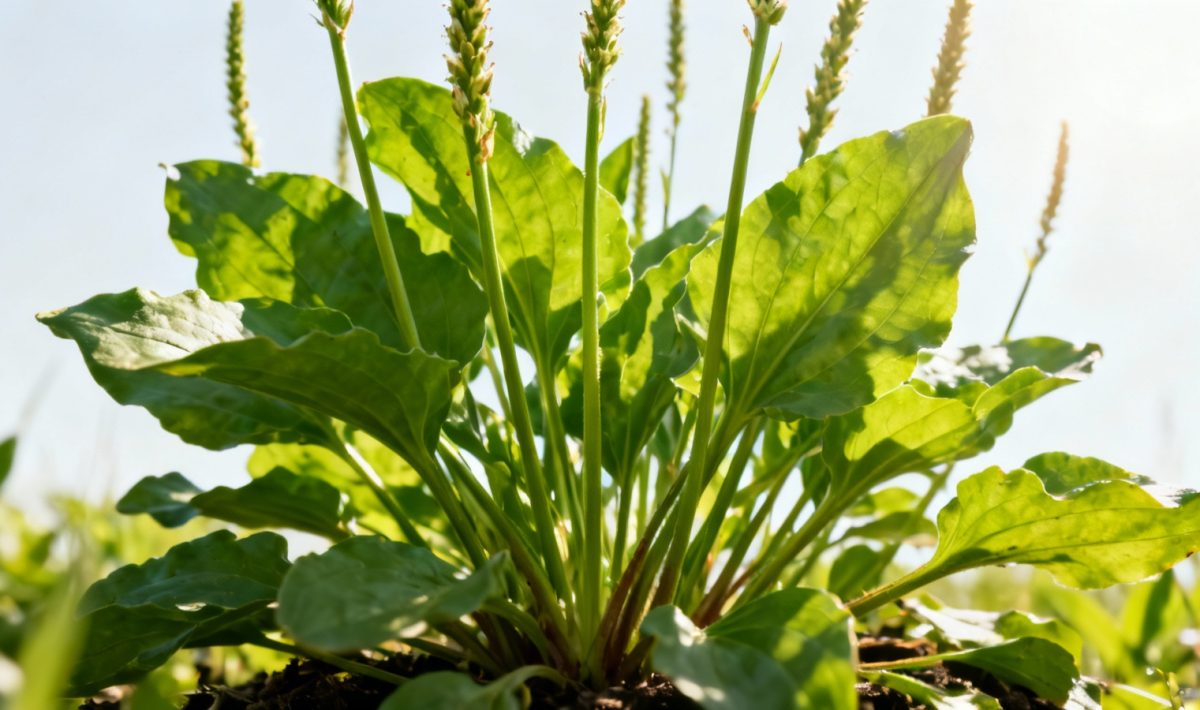
When starting your journey with natural dye plants, understanding the sunlight requirements for each species becomes crucial for successful cultivation. Ribwort plantain stands out as one of the most adaptable herbs you can grow, especially when considering how much sunlight does ribwort plantain need for thriving in your garden space.
Understanding ribwort plantain’s remarkable shade tolerance
Unlike many garden plants that demand full sun exposure, ribwort plantain demonstrates exceptional flexibility with light conditions. This hardy perennial can flourish in partial shade and even tolerates areas with minimal direct sunlight, making it perfect for those tricky garden spots between larger plants or under tree canopies.
The plant’s natural habitat includes meadows, grasslands, and woodland edges where dappled sunlight creates varying light conditions throughout the day. In spring, young plantain leaves emerge with remarkable vigor, adapting their growth pattern based on available light sources. Just as sunlight requirements for growing pineapple differ significantly from temperate herbs, ribwort plantain has evolved unique strategies for light management.
During periods of reduced sunlight, the leaves elongate and adopt a more vertical growth pattern, maximizing their ability to capture available light. This adaptive response allows the plant to maintain healthy photosynthesis even when competing with taller vegetation for precious light resources.
Optimal growing conditions for your garden
While ribwort plantain tolerates shade remarkably well, providing morning sunlight with afternoon protection often yields the best results for home cultivation. A location receiving four to six hours of direct sunlight creates ideal conditions for robust growth and leaf development.
The plant thrives in diverse soil conditions, from clay to sandy loam, but consistent moisture retention becomes more critical in full sun locations. During hot summer months, partial shade protection helps prevent leaf stress and maintains the tender texture desired for both culinary and dyeing applications.
Consider positioning ribwort plantain near other shade-tolerant herbs in your garden design. This creates a natural ecosystem where plants support each other through varying seasonal light conditions. Much like understanding optimal sunlight for watermelon growth helps with vegetable planning, knowing your plantain’s preferences allows for better companion planting decisions.
Seasonal light management strategies
Spring emergence typically occurs when soil temperatures reach consistent warmth, regardless of light levels. The small rosettes begin forming in early spring, taking advantage of increased daylight hours but not requiring intense heat for initial growth.
Summer care involves monitoring for heat stress in full sun locations. Providing afternoon shade during peak heat periods prevents wilting and maintains leaf quality. Regular watering becomes essential when plants receive more than six hours of direct sunlight daily.
Autumn growth often produces some of the best quality leaves for harvesting, as cooler temperatures combined with moderate light create optimal growing conditions. The plant’s deep taproot system allows it to access moisture even as other garden plants begin dormancy preparations.
Cultivation techniques for different light environments
In full sun gardens, focus on soil preparation and moisture retention strategies. Adding organic matter improves the soil’s ability to hold water during intense heat periods. Mulching around plants helps regulate soil temperature while reducing water evaporation.
For shaded locations, ensure adequate air circulation to prevent fungal issues that sometimes develop in humid, low-light conditions. Spacing plants appropriately allows each rosette access to available light while maintaining healthy growth patterns.
Container growing offers excellent control over light exposure, allowing you to move plants as needed throughout the season. This flexibility proves especially valuable for those experimenting with natural dyeing, as sunlight needs for spearmint plants and other aromatic herbs often complement plantain in dye gardens.
Maximizing harvest potential through light optimization
The quality of ribwort plantain leaves directly correlates with balanced light exposure and consistent growing conditions. Plants receiving moderate sunlight typically produce tender, flavorful leaves ideal for both culinary use and natural dyeing applications.
Harvest timing becomes crucial when working with light-sensitive compounds in the leaves. Morning harvesting, after dew has evaporated but before intense heat, often yields the highest concentration of beneficial compounds. This timing works well regardless of your garden’s specific light conditions.
Regular harvesting encourages continued leaf production throughout the growing season. Like healthy growth of small-leaf spiderwort and other perennial herbs, ribwort plantain responds positively to consistent use and careful maintenance.
Companion planting for enhanced growth
Pairing ribwort plantain with plants that have similar light requirements creates a harmonious garden ecosystem. Consider grouping it with other dye plants that tolerate partial shade, creating dedicated areas for your natural coloring projects.
Taller companion plants can provide beneficial afternoon shade while allowing morning light penetration. This natural shading system works particularly well in regions with intense summer heat, protecting the plantain’s delicate leaf structure.
Just as gardeners consider sunlight needs for vibrant snapdragons when planning flower gardens, understanding plantain’s flexibility allows for creative landscape design solutions.
Elongated, pale leaves often indicate insufficient light, while brown, crispy edges suggest too much intense sun exposure. Adjusting plant placement or providing seasonal protection helps maintain optimal growing conditions year-round.
In dense shade situations, thinning overhead vegetation slightly can improve light penetration without exposing plants to harsh direct sunlight. This gentle modification often provides the perfect balance for healthy growth.
Plants showing slow growth in adequate light conditions may benefit from improved soil nutrition rather than increased sun exposure. Like optimal sunlight for ghost plants and other specialized species, ribwort plantain sometimes requires attention to factors beyond basic light requirements.
Long-term care and maintenance
Established ribwort plantain plants become increasingly tolerant of varying light conditions as their root systems develop. The deep taproot allows mature plants to thrive in locations that might challenge younger specimens.
Annual evaluation of your garden’s changing light patterns helps ensure continued success. Trees grow larger, structures create new shade patterns, and neighboring plants mature, all affecting the light environment for your plantain colony.
Understanding these natural changes allows you to make informed decisions about plant relocation, companion planting adjustments, or simply accepting the plant’s remarkable ability to adapt to evolving conditions in your garden space.

Allan is a lifelong gardening enthusiast who still gets excited when the first seedlings pop up in spring. With a deep love for nature and a hands-in-the-soil approach, he shares practical tips, plant discoveries, and clever tricks picked up over years of digging, planting, and observing. Whether you’re a new gardener or have a shed full of tools, Allan writes like a neighbor who’s always happy to swap cuttings and stories over the fence.
You can find more about Allan’s work on Malt or connect with him on LinkedIn.


