
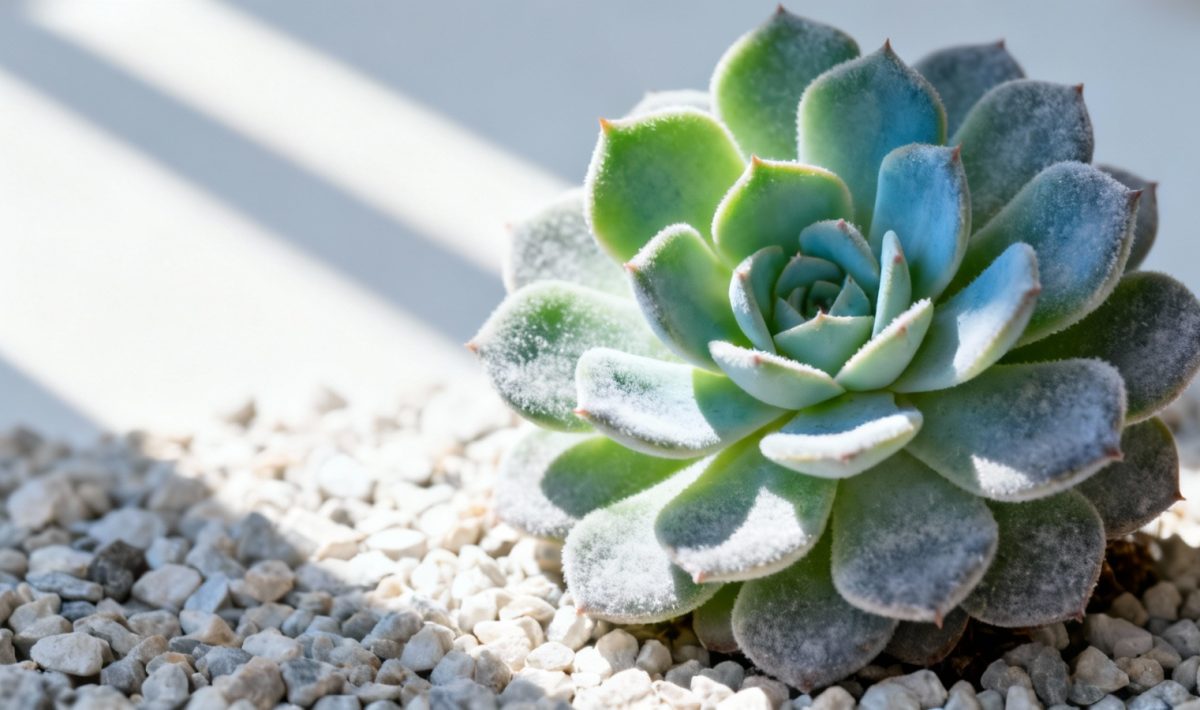
Understanding the ghost plant
The ghost plant, scientifically known as Graptopetalum paraguayense, is a stunning succulent that has captured the hearts of garden enthusiasts worldwide. This remarkable plant gets its name from its ethereal, pale blue-gray appearance that seems to shimmer with an otherworldly beauty. Understanding how much sunlight does ghost plant need is crucial for anyone looking to cultivate this magnificent specimen successfully.
Native to Mexico, these plants have adapted to thrive in bright, arid conditions. They feature thick, fleshy leaves arranged in beautiful rosettes that can change color dramatically based on their light exposure. When you provide the right conditions, ghost plants reward you with spectacular displays of pink, yellow, and orange hues.
Like many succulents, the ghost plant stores water in its leaves, making it an excellent choice for gardeners who want low-maintenance plants. However, their light requirements are quite specific and differ significantly from other houseplants you might be familiar with.
Key characteristics that influence light needs
The ghost plant’s structure tells us everything we need to know about its sunlight preferences. Those thick, waxy leaves are designed to withstand intense solar radiation while preventing water loss. The compact rosette formation helps the plant maximize light absorption while protecting its growing center.
These features developed over thousands of years in their native habitat, where bright sunlight and minimal rainfall are the norm. Understanding this background helps us replicate similar conditions in our own gardens and homes.
Optimal sunlight requirements for ghost plant growth
Ghost plants need a minimum of six hours of direct sunlight daily for optimal health and vibrant coloration. This requirement is not negotiable if you want to see your plant at its absolute best. Without adequate light, these succulents become pale, stretched, and lose their characteristic compact form.
The quality of light matters just as much as the quantity. Morning sunlight is particularly beneficial because it’s gentler than the harsh afternoon rays, yet still provides the energy these plants crave. When you place your ghost plant in a south-facing or west-facing window, you’re giving it the best chance to flourish.
Similar to how we consider sunlight requirements for rattlesnake plants, understanding the specific needs of each plant variety helps ensure success in our gardening endeavors.
Indoor versus outdoor light considerations
Indoor ghost plants often struggle with insufficient light, even near windows. The glass filters out some beneficial wavelengths, and the light intensity drops dramatically as you move away from the window. If you’re growing ghost plants indoors, place them as close to a sunny window as possible.
Outdoor ghost plants have access to the full spectrum of natural sunlight, which promotes better growth and more intense coloration. However, you must be careful about sudden exposure changes that can shock the plant and cause leaf burn.
For those growing other light-sensitive plants alongside ghost plants, it’s worth noting that different species have varying requirements. For instance, when considering ideal sunlight for corn plants, the needs are quite different from succulent care.
Seasonal adjustments and placement strategies
Spring and summer are the ideal seasons for moving ghost plants outdoors. During these months, the sun’s intensity is perfect for promoting compact growth and stunning color development. However, you should transition them gradually to prevent shock.
Start by placing your plant in partial shade for a few days, then gradually increase its exposure to direct sunlight over the course of a week. This acclimatization process prevents the leaves from burning and ensures your plant adapts smoothly to its new environment.
Winter requires special attention because the sun’s angle changes and daylight hours decrease significantly. You may need to supplement natural light with grow lights or move your plants to the brightest available location in your home.
Managing excessive sun exposure
While ghost plants love sunlight, too much intense heat can be harmful. In regions where summer temperatures regularly exceed 90°F, afternoon shade becomes necessary. The ideal setup provides morning and early afternoon sun with protection during the hottest part of the day.
Watch for signs of sun stress, which include brown or black spots on leaves, sudden leaf drop, or a shriveled appearance. If you notice these symptoms, gradually move your plant to a location with less intense light.
Just as different plants have specific needs – like how optimal light for nerve plants varies considerably from succulent requirements – understanding your local climate helps you provide the best care.
Complete care for optimal growth
Sunlight is just one piece of the puzzle when growing healthy ghost plants. Proper soil drainage is equally important because these plants are extremely susceptible to root rot. Use a well-draining cactus mix or create your own by combining regular potting soil with perlite and coarse sand.
Watering should be infrequent but thorough. Allow the soil to dry completely between waterings, then soak it thoroughly. During the growing season (spring and summer), you might water every 7-10 days, while winter watering might only be necessary once every three weeks.
The relationship between light and watering is crucial to understand. Plants receiving more sunlight will use water more quickly and may need more frequent watering. Conversely, plants in lower light conditions need less water and are more prone to rot if overwatered.
Fertilizing and seasonal care
Ghost plants are light feeders and don’t require frequent fertilization. A diluted succulent fertilizer applied once during the growing season is sufficient. Over-fertilizing can actually harm these plants by promoting weak, leggy growth that’s more susceptible to problems.
Temperature considerations work hand-in-hand with lighting. Ghost plants prefer temperatures between 65-75°F during their growing season. They can tolerate brief periods of higher or lower temperatures, but consistent extremes will stress the plant regardless of how good your lighting conditions are.
For gardeners growing multiple plant varieties, it’s helpful to understand how different species compare. For example, the requirements for sunlight needs of watermelon plants are completely different from succulent care, highlighting the importance of species-specific knowledge.
Etiolation, or stretching, is the most common problem with ghost plants. This occurs when the plant doesn’t receive enough light and begins reaching toward the nearest light source. The result is a leggy, pale plant that bears little resemblance to the compact beauty you intended to grow.
If your ghost plant is already stretched, you can propagate the healthiest parts and start fresh with better lighting conditions. Simply remove healthy leaves or cut the top portion of the plant, allow the cuts to callous over for a few days, then plant in fresh, well-draining soil.
Color changes can indicate both problems and successes. Healthy stress coloration appears as pink, red, or orange edges on leaves, while unhealthy discoloration shows up as brown or black spots. Learning to distinguish between these helps you adjust care accordingly.
Advanced tips for ghost plant success
Experienced succulent growers often use reflective surfaces to maximize available light for their indoor ghost plants. Placing white pebbles around the plant or using mirrors strategically can increase light exposure without moving the plant to a different location.
Rotation is another professional technique worth adopting. Turn your ghost plant a quarter turn every few days to ensure even light exposure on all sides. This prevents the plant from leaning toward the light and promotes symmetrical growth.
For those interested in expanding their herb garden alongside succulents, understanding how light conditions for spearmint growth differ from succulent needs helps create diverse, thriving gardens.
Consider the long-term placement of your ghost plants. While they’re small when young, mature plants can reach 12 inches across and may need more space and light than you initially planned. Thinking ahead prevents the need for frequent relocations that can stress the plant.
Seasonal light adjustments become easier with experience. Keep notes about how your ghost plants respond to different conditions throughout the year. This personal database becomes invaluable for timing transitions and identifying the perfect spots in your home or garden.
Remember that gardening with succulents like ghost plants is both an art and a science. While understanding the technical requirements is important, observing your plants and responding to their individual needs will make you a more successful gardener. With proper sunlight and care, your ghost plants will reward you with years of stunning beauty and easy maintenance.

Allan is a lifelong gardening enthusiast who still gets excited when the first seedlings pop up in spring. With a deep love for nature and a hands-in-the-soil approach, he shares practical tips, plant discoveries, and clever tricks picked up over years of digging, planting, and observing. Whether you’re a new gardener or have a shed full of tools, Allan writes like a neighbor who’s always happy to swap cuttings and stories over the fence.
You can find more about Allan’s work on Malt or connect with him on LinkedIn.


