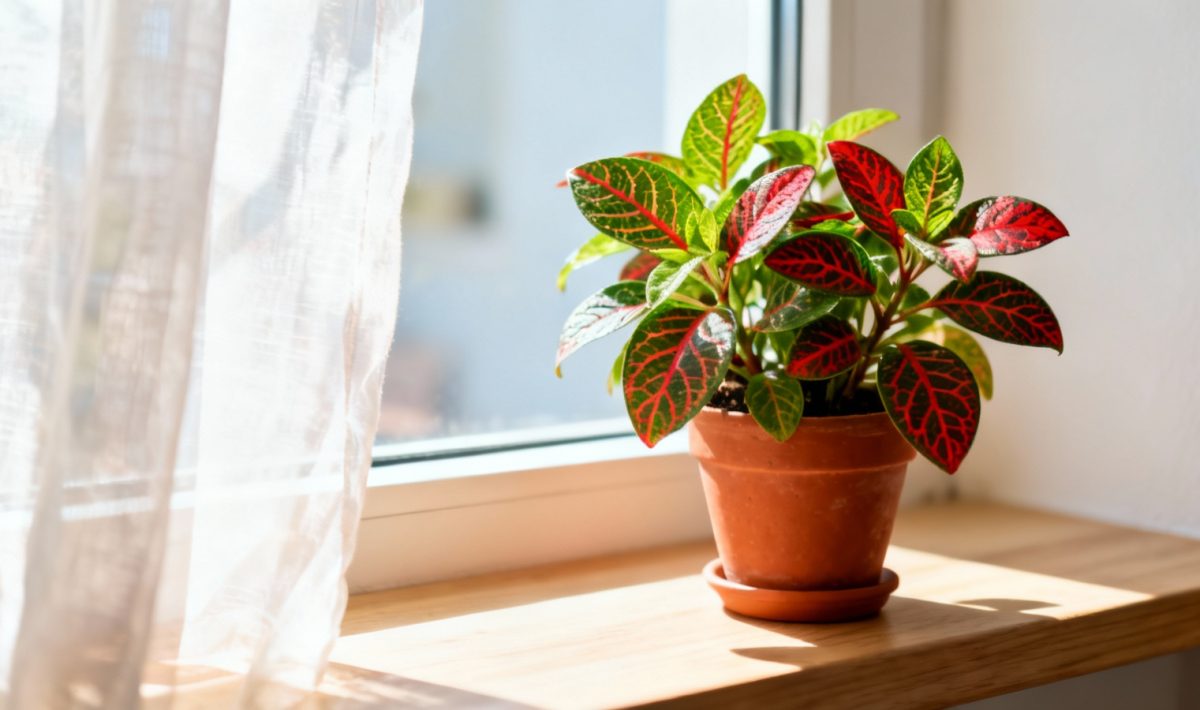
How much sunlight does nerve plant need for thriving indoor growth
The nerve plant, or Fittonia albivenis, is one of those charming houseplants that can make your space feel more vibrant with its distinctive veined foliage. But getting the light right is where many plant parents stumble. These lovely plants have very specific sunlight needs that differ significantly from your typical sun-loving houseplants.
Understanding how much sunlight your nerve plant requires is crucial for keeping those beautiful leaves healthy and colorful. Too much direct light can scorch the delicate foliage, while too little can leave your plant looking leggy and pale. Let me walk you through exactly what these finicky beauties need to thrive in your home.
The nerve plant originates from the tropical rainforests of South America, where it grows naturally on the forest floor. In this environment, the plant receives filtered, dappled sunlight that filters through the dense canopy above. This means your Fittonia is naturally adapted to low to moderate light conditions rather than bright, direct sunlight.
In their native habitat, these plants receive approximately 3 to 6 hours of partial sunlight per day. The light they get is soft and indirect, which explains why they struggle with intense direct sunlight in our homes. Understanding this natural preference helps us recreate the ideal conditions indoors.
The forest floor environment also provides consistent humidity and protection from harsh weather conditions. This background information is essential because it tells us that nerve plants are designed to thrive in gentler light conditions than many other houseplants we commonly grow.
Ideal light conditions for nerve plants
Nerve plants perform best in bright, indirect light. This means placing them near a window where they can receive plenty of ambient light without the sun’s rays hitting them directly. A north or east-facing window typically provides the perfect balance of brightness without intensity.
The optimal light exposure for your nerve plant ranges from bright indirect light to partial shade. If you have a south or west-facing window, position your plant at least 3 to 6 feet away from the glass, or use a sheer curtain to filter the light. This setup mimics the natural dappled sunlight they would receive in their rainforest home.
You can also successfully grow nerve plants under fluorescent lights or LED grow lights. Position artificial lights about 12 to 18 inches above the plant and provide 12 to 16 hours of light daily. This option works particularly well in offices or rooms with limited natural light.
For those growing different types of plants together, you might find it helpful to learn about sunlight requirements for corn plants to understand how various houseplants have different light needs.
Signs your nerve plant needs more light
When your nerve plant isn’t getting enough light, it will show you clear signs. The most obvious indicator is leggy growth, where the stems become elongated and stretched as the plant reaches desperately for more light. You’ll notice longer spaces between leaves and a generally sparse appearance.
Another telltale sign is fading leaf color. The beautiful white, pink, or silver veining that makes nerve plants so attractive will become less pronounced when light levels are insufficient. The overall leaf color may also appear duller or more washed out than usual.
Small, weak new growth is another red flag. When your plant produces tiny leaves or very slow growth, it’s often struggling to photosynthesize effectively due to inadequate light. The plant simply doesn’t have enough energy to produce robust, full-sized foliage.
If you notice these symptoms, gradually move your plant to a brighter location. Don’t make sudden changes, as this can shock the plant. Instead, move it a few inches closer to your light source every few days until you find the sweet spot where growth improves.
Warning signs of too much light
Just as important as recognizing insufficient light is identifying when your nerve plant is getting too much sun. Direct sunlight can quickly damage these delicate plants, and the signs appear relatively fast. Leaf burn is the most immediate concern, showing up as brown, crispy edges or pale, bleached spots on the foliage.
Excessive light also causes rapid moisture loss, leading to frequent wilting even when the soil is adequately moist. You might notice your plant drooping during the brightest parts of the day, then recovering somewhat in the evening when light levels decrease.
The beautiful veining pattern can also fade or disappear entirely under too much direct light. This happens because the plant produces excess chlorophyll to protect itself, which can mask the decorative patterns that make nerve plants so appealing.
If you’re growing multiple shade-loving plants, understanding light requirements for similar species like optimal sunlight for polka dot plants can help you create the right environment for your entire collection.
Seasonal light adjustments
Your nerve plant’s light needs will change throughout the year as daylight hours and sun intensity vary. During winter months, you may need to move your plant closer to windows or supplement with artificial lighting to maintain adequate brightness levels.
Summer brings stronger, more intense sunlight, which means you might need to move your plant further from windows or add more filtering. Pay attention to how the light changes in your space throughout the day and across seasons.
Spring and fall often provide the most ideal natural lighting conditions for nerve plants. These seasons typically offer bright but not overly intense light that closely mimics their preferred conditions. Use these times to observe how your plant responds to different light levels.
Consider rotating your plant weekly during all seasons to ensure even growth. This prevents one side from becoming leggy or losing leaves due to uneven light distribution.
Best placement strategies for optimal growth
Finding the perfect spot for your nerve plant involves balancing light, humidity, and temperature. East-facing windows are often ideal because they provide gentle morning sunlight followed by bright indirect light for the rest of the day. This mimics the natural progression of light in a forest setting.
North-facing windows work well in most climates, providing consistent but not intense light throughout the day. However, in very northern climates or during winter, north windows might not provide sufficient brightness, requiring supplemental lighting.
If you only have south or west-facing windows, place your nerve plant on a plant stand or shelf positioned several feet back from the window. You can also use furniture, other plants, or decorative screens to create filtered light conditions.
Bathrooms with windows often provide excellent conditions because they typically offer the high humidity nerve plants crave along with indirect light. Just ensure the temperature remains stable and doesn’t get too cold at night.
When planning your indoor garden layout, consider how other plants with different light requirements might work together. For instance, learning about cucumber plant sunlight needs can help if you’re growing edibles alongside your houseplants.
Using artificial lighting effectively
Artificial lighting opens up many possibilities for growing nerve plants in spaces without adequate natural light. LED grow lights are energy-efficient and produce less heat than older technologies, making them safer for delicate plants like Fittonia.
Position LED lights 12 to 18 inches above your plant for optimal results. Full-spectrum LED lights work best because they provide the complete range of light wavelengths plants need for healthy growth and vibrant coloration.
Fluorescent lights also work well for nerve plants and are more budget-friendly than LEDs. Place fluorescent tubes 6 to 12 inches above your plants and provide 14 to 16 hours of light daily to compensate for their lower intensity.
Timer controls are essential when using artificial lighting. Nerve plants benefit from consistent light schedules, and timers ensure they receive reliable lighting even when you’re away or forget to manually control the lights.
If you’re considering outdoor plantings as well, understanding light requirements for trees like sunlight for healthy sycamore trees can help you design comprehensive landscape lighting plans.
Troubleshooting common light-related problems
When your nerve plant isn’t thriving, light issues are often the culprit. Yellowing leaves typically indicate either too much direct sun or insufficient light combined with overwatering. Evaluate both your lighting and watering practices to identify the root cause.
Pale or completely white leaves usually signal light burn from too much direct sunlight. Move your plant to a more protected location immediately and remove any severely damaged leaves to redirect the plant’s energy into healthy growth.
Slow growth or dormancy during what should be active growing seasons often points to inadequate light levels. Gradually increase light exposure or supplement with artificial lighting to encourage renewed growth.
Remember that light requirements can change as your plant matures. Young nerve plants may tolerate slightly lower light levels, while established plants often need more consistent brightness to maintain their full size and vibrant appearance.
With proper attention to lighting needs, your nerve plant will reward you with lush, colorful foliage that brings a touch of tropical beauty to your indoor space. These plants are forgiving once you understand their preferences, making them excellent choices for both beginners and experienced plant enthusiasts.
Allan is a lifelong gardening enthusiast who still gets excited when the first seedlings pop up in spring. With a deep love for nature and a hands-in-the-soil approach, he shares practical tips, plant discoveries, and clever tricks picked up over years of digging, planting, and observing. Whether you’re a new gardener or have a shed full of tools, Allan writes like a neighbor who’s always happy to swap cuttings and stories over the fence.
You can find more about Allan’s work on Malt or connect with him on LinkedIn.