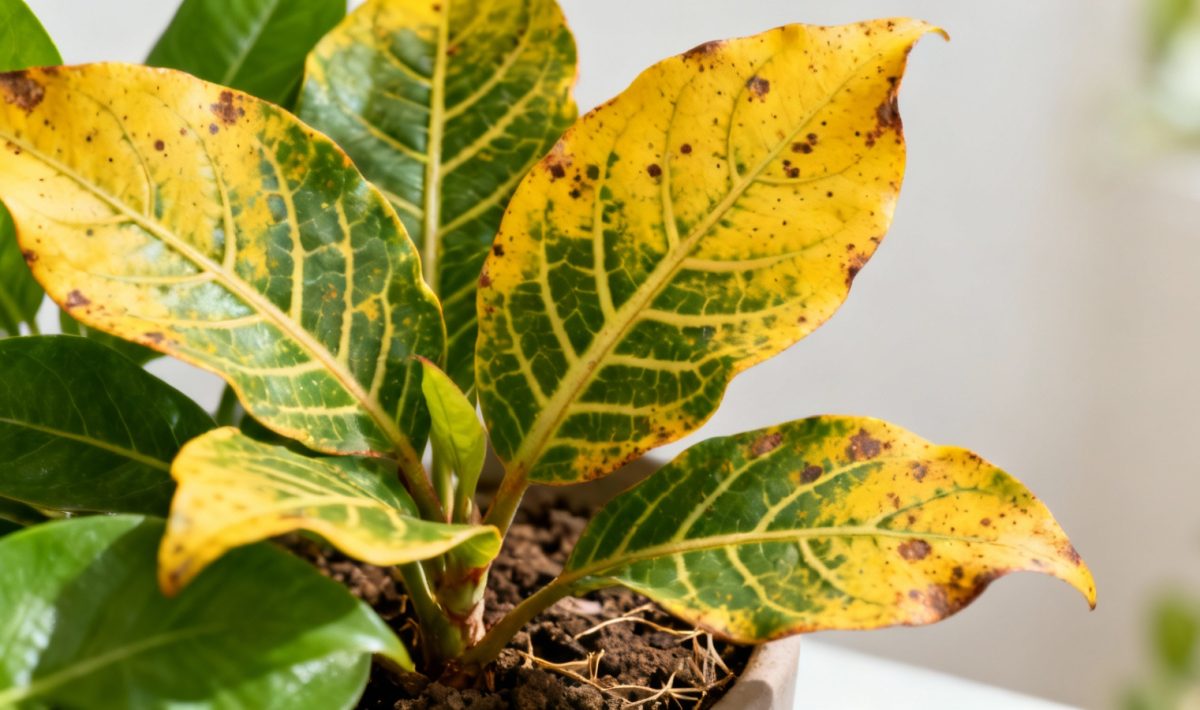
Why are nerve plant leaves turning yellow: causes and care solutions
If you’ve noticed your nerve plant’s beautiful patterned leaves turning yellow, you’re not alone in this concern. The Fittonia, commonly known as the nerve plant, is a stunning houseplant that can sometimes develop yellowing leaves when its specific needs aren’t being met. Understanding the causes behind this issue will help you restore your plant to its former green glory.
The nerve plant, or Fittonia albivenis, is native to the tropical rainforests of South America. This beautiful plant thrives in specific conditions that mimic its natural habitat. Your plant needs consistent moisture, bright indirect light, and high humidity to maintain those vibrant green leaves with their distinctive white or pink veining.
These plants are particularly sensitive to changes in their environment. When something in their care routine shifts dramatically, the first sign of stress often appears as yellowing leaves. The good news is that with proper attention, you can usually reverse this process and encourage new healthy growth.
✅ Quick Checklist
Is the soil too wet or too dry?
Is the plant getting 6+ hours of sunlight daily?
Have you fertilized in the last 2 months?
Are there visible pests under the leaves?
Does the pot have adequate drainage?
🔥 FREE
📱
Diagnose your plant in one click!
AI instant diagnosis • Personalized solutions • 50,000+ species
The most frequent reason for yellowing leaves in nerve plants is improper watering. These tropical beauties require consistent moisture but absolutely hate waterlogged soil. When the soil stays too wet for extended periods, the roots begin to rot, preventing proper nutrient uptake and causing the leaves to turn yellow from the bottom up.
On the flip side, allowing your nerve plant to dry out completely can also trigger yellowing. Unlike desert plants that store water, Fittonia plants need steady moisture to maintain their lush appearance. The soil should feel like a wrung-out sponge – moist but not soaking wet.
To check if watering is the issue, stick your finger about an inch into the soil. If it feels bone dry or soggy, you’ve found your answer. The perfect balance is soil that feels slightly damp but not muddy.
Light problems affect leaf color
While nerve plants don’t need direct sunlight, they do require bright, indirect light to maintain their vibrant green coloration. Too little light often causes the plant to lose its beautiful patterns and develop pale, yellowing leaves as it struggles to photosynthesize effectively.
Conversely, harsh direct sunlight can scorch the delicate leaves, causing them to yellow and brown at the edges. The ideal spot for your nerve plant is near a window with filtered light or in a bright room away from direct sun rays.
If you notice that the yellowing is more pronounced on one side of your plant, consider rotating it weekly to ensure even light distribution. Similar to how understanding yellowing snake plant leaves can help with other houseplants, proper lighting diagnosis is crucial for nerve plant health.
Soil and nutrient deficiencies
Poor soil quality can significantly impact your nerve plant’s health. These plants prefer well-draining potting mix that retains some moisture but doesn’t become waterlogged. Heavy clay soils or compacted potting mix can lead to root problems and subsequent yellowing.
Additionally, nutrient deficiencies, particularly nitrogen, can cause yellowing leaves. During the growing season (spring and summer), nerve plants benefit from monthly feeding with a balanced, diluted houseplant fertilizer to maintain their green foliage.
How to fix yellowing nerve plant leaves
Adjust your watering routine
Start by evaluating your current watering schedule. Feel the soil regularly and water only when the top inch feels dry to the touch. Use lukewarm water and pour slowly until you see excess water draining from the bottom holes.
If you’ve been overwatering, reduce the frequency and ensure your pot has adequate drainage. Remove any yellowing leaves that feel mushy or soft, as these won’t recover and can harbor fungal problems.
For underwatered plants, gradually increase moisture levels rather than drowning the plant all at once. This approach helps the roots recover without shocking the system.
Optimize lighting conditions
Move your nerve plant to a location with bright, indirect light if it’s currently in a dark corner. East or north-facing windows typically provide ideal conditions without harsh afternoon sun.
If natural light is limited in your space, consider using a grow light positioned about 12-18 inches above the plant. LED grow lights work well for supplementing natural light during winter months when daylight hours are shorter.
Improve soil and fertilization
Repot your nerve plant if the soil seems compacted or poor quality. Choose a well-draining potting mix designed for houseplants, and add some perlite for extra drainage if needed.
During the growing season, feed your plant monthly with a balanced liquid fertilizer diluted to half strength. This provides essential nutrients without overwhelming the delicate root system.
✅ Quick Checklist
Is the soil too wet or too dry?
Is the plant getting 6+ hours of sunlight daily?
Have you fertilized in the last 2 months?
Are there visible pests under the leaves?
Does the pot have adequate drainage?
🔥 FREE
📱
Diagnose your plant in one click!
AI instant diagnosis • Personalized solutions • 50,000+ species
Nerve plants naturally thrive in high humidity environments, typically around 60-70%. Low humidity can stress the plant and contribute to yellowing leaves. Increase humidity by placing a humidifier nearby, grouping plants together, or using a pebble tray filled with water.
Misting can help temporarily, but avoid spraying the leaves directly too frequently as this can encourage fungal problems. Instead, focus on creating ambient humidity around the plant.
Monitor temperature and air circulation
Keep your nerve plant in temperatures between 65-80°F (18-27°C) for optimal health. Avoid placing it near heat sources, air conditioning vents, or drafty windows that can cause temperature fluctuations.
Good air circulation helps prevent fungal issues while maintaining the humid environment your plant loves. A small fan can help if your space feels stagnant, but avoid direct airflow on the plant.
Regular maintenance and monitoring
Check your nerve plant weekly for signs of stress or pest problems. Early detection makes treatment much more effective than waiting until problems become severe.
Remove any yellowing leaves promptly to prevent the plant from wasting energy on dying foliage. Pinch them off at the stem using clean fingers or small scissors. Just as with causes of snake plant leaf discoloration issues, prompt attention to yellowing leaves prevents spread to healthy portions of the plant.
Prune leggy stems to encourage bushier growth and maintain the plant’s compact appearance. Regular pruning also helps improve air circulation around the plant.
When to be concerned about yellow leaves
Some yellowing is natural as your nerve plant grows and sheds older leaves. However, rapid yellowing affecting multiple leaves simultaneously indicates a more serious problem requiring immediate attention.
Watch for additional symptoms like soft, mushy stems, foul odors from the soil, or leaves dropping rapidly. These signs suggest root rot or severe stress that may require repotting with fresh soil and possibly trimming damaged roots.
If yellowing continues despite adjusting care routines, consider factors like pests, diseases, or environmental toxins that might be affecting your plant’s health.
With patience and proper care adjustments, your nerve plant can recover from yellowing leaves and return to its stunning, healthy appearance. The key is identifying the specific cause and making gradual changes to create the optimal growing environment for this beautiful tropical houseplant.
Allan is a lifelong gardening enthusiast who still gets excited when the first seedlings pop up in spring. With a deep love for nature and a hands-in-the-soil approach, he shares practical tips, plant discoveries, and clever tricks picked up over years of digging, planting, and observing. Whether you’re a new gardener or have a shed full of tools, Allan writes like a neighbor who’s always happy to swap cuttings and stories over the fence.
You can find more about Allan’s work on Malt or connect with him on LinkedIn.